How to Create a Vertical Vegetable Garden: Solutions for Small Spaces
Embracing Vertical Gardening: A Solution for Urban Dwellers
As urban living becomes increasingly popular, the challenge of growing your own food in limited spaces is more relevant than ever. A vertical vegetable garden is a creative solution that allows you to utilize every inch of your area while adding beauty and functionality to your environment.
Consider these benefits of vertical gardening:
- Space-Efficient: Vertical gardens are perfect for small yards, patios, and balconies. Instead of sprawling out horizontally, these gardens allow you to grow upwards, maximizing your available space. For instance, a 2-foot by 6-foot vertical garden can provide the same yield as a traditional garden that requires a much larger footprint.
- Access to Sunlight: Elevating plants can help them reach sunlight better, improving growth potential. In cramped urban settings where surrounding buildings may cast shadows, a vertical garden can be positioned to capture maximum sunlight throughout the day.
- Less Pest Damage: Elevating plants can deter pests and minimize disease. For example, certain crawling insects can be less of a threat when vegetables are grown off the ground, and improved air circulation can reduce the likelihood of fungal problems.
In the United States, vertical gardening has gained traction among enthusiasts eager to embrace this gardening technique due to its versatility. A vertical garden can be constructed in various ways, including:
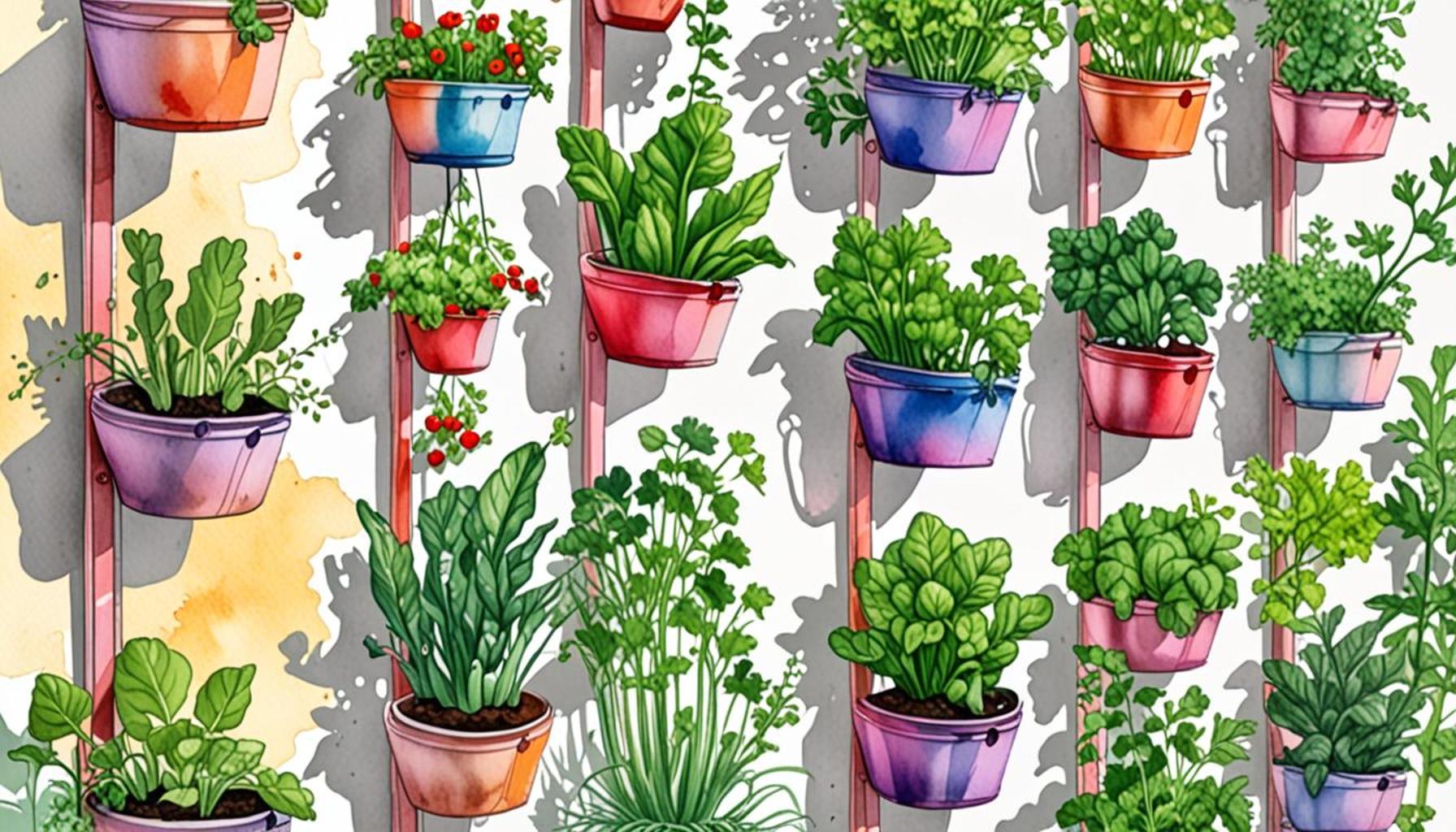
- Wall Planters: These are containers attached directly to a wall, creating a stunning green facade. They can be used on the exterior of a home as living art or indoors as a majestic focal point.
- Hanging Baskets: Ideal for trailing plants like strawberries or herbs, hanging baskets can be suspended from hooks or beams, providing easy access and a beautiful display.
- DIY Towers: Stackable systems for a variety of herbs and vegetables simplify planting and harvesting while making it easy to care for your garden. Many DIY enthusiasts use materials like PVC pipes or wooden pallets to create functional and visually appealing towers.
Whether you’re looking to grow fresh herbs in your kitchen or tomatoes on your balcony, vertical gardening opens up endless possibilities. Not only does it provide fresh produce at your fingertips, but it also transforms urban spaces into vibrant, green environments. From easy-care perennial plants like chives to bold vertical arrangements featuring tomatoes and cucumbers, the variety of suitable plants is extensive.
Dive deeper into this article to discover practical methods, plants that thrive in vertical settings, and useful DIY tips to transform your small space into a vibrant vegetable haven. With a little creativity and the right approach, anyone can embark on a fruitful journey in vertical gardening, no matter how limited their space may be.
DISCOVER MORE: Click here to learn about the benefits of organic gardening
Getting Started: Key Considerations for Vertical Gardening
Creating a vertical vegetable garden may sound daunting, especially to beginners. However, with the right planning and a little creativity, you can craft a thriving garden that suits your small space. Let’s explore the essential steps and considerations to set you up for success.
Selecting the Right Location
Your first step in establishing a vertical vegetable garden is choosing an appropriate location. Ensure the area receives at least six hours of sunlight daily. Inspect your space throughout the day to identify optimal spots that receive consistent light. Factors such as nearby trees or buildings that could create shadows should also be considered.
Choosing Suitable Vegetables
Not every plant is suited for a vertical setup, so it’s crucial to select the right types of vegetables that thrive in these environments. Here’s a list of popular vegetables that do particularly well when grown vertically:
- Tomatoes: Indeterminate varieties such as cherry tomatoes grow well up trellises.
- Cucumbers: Their climbing nature lends well to vertical gardening.
- Snap Peas: These lightweight plants can easily be supported by netting or a simple trellis.
- Bell Peppers: They can be grown in stackable planters for convenience.
- Herbs: Many herbs like basil and chives can thrive in smaller vertical arrangements, adding flavor to your culinary adventures.
When choosing your vegetables, consider not just the sunlight but also the size constraints of the space you have. Pay attention to how much vertical growth these plants can achieve; some may grow taller than expected!
Understanding Structural Options
Once you’ve chosen your vegetables, it’s time to brainstorm how to create the structures that will allow your garden to flourish. A few options include:
- Trellis Systems: These can be made from wood or metal and provide a sturdy support for climbing plants.
- Pallet Gardens: Repurposed wooden pallets can be an inexpensive and rustic method to hold soil and plants.
- Metal Grids or Wire Frames: These are excellent for climbing plants, ensuring they have a firm grip as they grow upwards.
When planning your structure, be cautious about weight; ensure the materials can support the total installation when filled with soil and plants. Additionally, having a plan that is both aesthetically appealing and functional will make your garden a true centerpiece of your home.
As you embark on your vertical gardening journey, remember that it’s all about trial and error. It might take some time to find the perfect balance between plant choice, location, and design. However, the rewards of fresh produce and an attractive outdoor space are well worth the effort.
Creating a vertical vegetable garden is an innovative and practical solution for maximizing space while reaping the benefits of homegrown produce. For those enthusiastic about gardening but constrained by limited outdoor areas, vertical gardens offer a myriad of opportunities to grow vegetables efficiently.One of the key advantages of vertical vegetable gardening is its space-saving capabilities. By utilizing vertical structures such as trellises, wall-mounted planters, or stacked pots, gardeners can effectively use vertical space that would otherwise go unused. This technique not only allows for a wider range of plants in smaller areas but also enhances sunlight exposure and air circulation, which are crucial for plant health. For instance, leafy greens, tomatoes, and climbing beans can flourish in a well-designed vertical garden.Additionally, vertical gardens can significantly improve soil drainage and accessibility. When plants are elevated, they benefit from better drainage, reducing the risk of root rot and disease. Furthermore, gardeners find it easier to care for their plants without the need to bend down extensively, making maintenance more enjoyable. This is particularly beneficial for elderly gardeners or those with physical limitations.Another fascinating aspect is that vertical gardens can serve as living walls or decorative elements in urban environments. These gardens not only contribute to the aesthetics of a space but also promote biodiversity by attracting pollinators like bees and butterflies. By incorporating native plants into vertical gardens, one can create a sustainable ecosystem that enhances the surrounding environment.For those looking for cost-effective solutions, repurposing materials such as wooden pallets, old shoe racks, or even plastic bottles can yield fantastic results. These upcycled options allow gardeners to express creativity while supporting environmental sustainability.In summary, vertical vegetable gardening offers a practical approach to space management, efficient resource use, and the potential for creating beautiful green spaces. With a little creativity and planning, anyone can embark on the journey to grow fresh vegetables in even the smallest of areas. The benefits extend beyond personal gain and contribute positively to the community and environment, making vertical gardens truly worth considering for every gardening enthusiast.
DIVE DEEPER: Click here to uncover the benefits of indoor plants
Designing Your Vertical Vegetable Garden: Creativity Meets Functionality
Once you’ve laid the foundational considerations for your vertical vegetable garden, the next step involves creatively designing a functional and visually appealing setup. Your garden should not only maximize space but also enhance the aesthetic of your environment. Let’s look into effective design strategies to help you make the most of your vertical gardening endeavor.
Vertical Garden Planters
One of the most straightforward solutions for creating a vertical vegetable garden is utilizing vertical planters. These come in various styles, from wall-mounted units to stacked containers. They can be filled with soil and planted with small vegetables and herbs. Consider investing in some of these popular options:
- Hanging Baskets: Perfect for trailing plants such as strawberries and cherry tomatoes. They can be placed on hooks or brackets to save space.
- Tiered Plant Stands: These provide multiple levels for planting, making it easy to access your crops while showcasing different plant heights.
- Wall-Mounted Planters: Available in pocket or shelf designs, allowing you to plant herbs and smaller vegetables directly on your walls.
When selecting planters, ensure that they have adequate drainage to prevent waterlogging, which can be detrimental to plant health. Consider lining your planters with a breathable material to retain moisture while allowing airflow.
Incorporating Companion Planting
Companion planting is a time-tested method that can maximize the efficiency of your vertical vegetable garden. Certain plants thrive better when grown together, providing benefits such as pest control and improved pollination. For instance:
- Basil and Tomatoes: This combination not only enhances the flavor of tomatoes but also repels pests.
- Mint and Cabbage: Mint can deter cabbage moths while growing harmoniously alongside cabbage.
- Nasturtiums and Cucumbers: These flowers attract beneficial insects that can ward off cucumber beetles.
When designing your vertical garden, take advantage of these combinations. Plant companions on different levels of your structure to ensure they all receive adequate light and nutrients.
Utilizing Additional Support Structures
To fully integrate vertical gardening, consider incorporating additional support structures that allow plants to thrive as they grow. Some options include:
- Arbors: These can frame your garden and support climbing plants like peas and cucumbers.
- String or Wire Support: Attaching strings or wires along the vertical frame can help guide plants upwards, eliminating the risk of tangles or damage.
- Mesh Netting: Ideal for supporting heavier climbing plants, providing them with a network to grasp onto.
Creatively integrating these supports not only enhances plant growth but also adds an artistic element to your vertical garden. The right structure can turn a modest vegetable garden into a vibrant focal point in your outdoor living space.
Watering and Maintenance Tips
Maintaining a vertical garden requires a different approach when it comes to watering. Vertical planters typically dry out faster due to better airflow around the roots. To keep your plants healthy:
- Regular Monitoring: Check soil moisture frequently; consider using a moisture meter to optimize your watering schedule.
- Drip Irrigation: Consider setting up a drip irrigation system that delivers water directly to the plants at a consistent rate.
- Mulching: Use organic mulch at the base of your plants to help retain moisture and suppress weeds.
By providing steady care and attention, you can ensure that your vertical vegetable garden flourishes, yielding a bountiful harvest while maximizing your small space. The journey of vertical gardening is as rewarding as the produce you’ll enjoy at the end of it!
DISCOVER MORE: Click here to learn how to create your own terrarium!
Conclusion: Cultivating a Greener Future in Limited Space
In summary, creating a vertical vegetable garden is not just a practical solution for those with limited space; it’s a bold step towards sustainable living and enjoying fresh produce right from your home. By embracing innovative designs, such as vertical planters and support structures, you can transform even the smallest corner into a thriving garden oasis. The application of companion planting techniques further enhances your garden’s productivity, helping to foster a healthy ecosystem right in your backyard.
Regular maintenance, including adequate watering techniques and attentive monitoring, ensures your vertical garden remains vibrant and fruitful throughout the growing season. And with the variety of DIY options or commercially available products at your disposal, you can express your creativity while also reaping the benefits of homegrown vegetables and herbs.
As you embark on your vertical gardening journey, remember that each plant occupies space, but it can also contribute beauty and utility. So, why not explore the possibilities of a vertical vegetable garden? With a little ingenuity, you can cultivate a sustainable, productive space that not only feeds your family but also nourishes your passion for gardening. Dive into this rewarding experience and watch as your small space burgeons into a lush vertical wonderland!