Organic Vertical Gardening: How to Maximize Small Spaces with Healthy Plants
Unlocking the Potential of Your Space
As urban areas grow denser and living spaces shrink, the dream of maintaining a garden can seem daunting. However, organic vertical gardening presents a revolutionary approach that allows you to cultivate greenery even in the tightest of settings. This innovative method transforms limited spaces into vibrant, productive environments brimming with life and edible plants.
Visualize creating your very own sanctuary amidst concrete and brick:
- Transform your apartment balcony into a green oasis, where pots of colorful flowers and fresh vegetables flourish while providing a stunning view.
- Convert that sunlit corner of your kitchen into a verdant herb garden, supplying your culinary creations with fresh basil, thyme, and parsley at your fingertips.
- Reimagine a small yard into an edible landscape, where tomatoes climb trellises and strawberries cascade from vertical planters, maximizing your harvest in every nook and cranny.
This method does more than just utilize vertical space; it champions sustainable practices essential in today’s environmental landscape. By adopting organic techniques, you are not only growing plants that are free from harmful pesticides and fertilizers, but you are also contributing to a healthier ecosystem. Organic gardening promotes biodiversity and soil health, which are crucial for a sustainable future.
Benefits of Organic Vertical Gardening
- Space Optimization: Perfect for city dwellers and those with limited property, vertical gardening enables you to use walls, fences, and even indoor spaces efficiently.
- Increased Yield: With vertical structures, you can produce a greater volume of plants per square foot compared to traditional gardening. For instance, one vertical planter can yield the same amount of herbs as a plot of land that takes up twice the space.
- Easier Maintenance: Plants positioned at eye level reduce the need for bending and kneeling, making gardening more accessible to people of all ages and abilities. The elevated structure also helps to improve air circulation, leading to healthier plants.
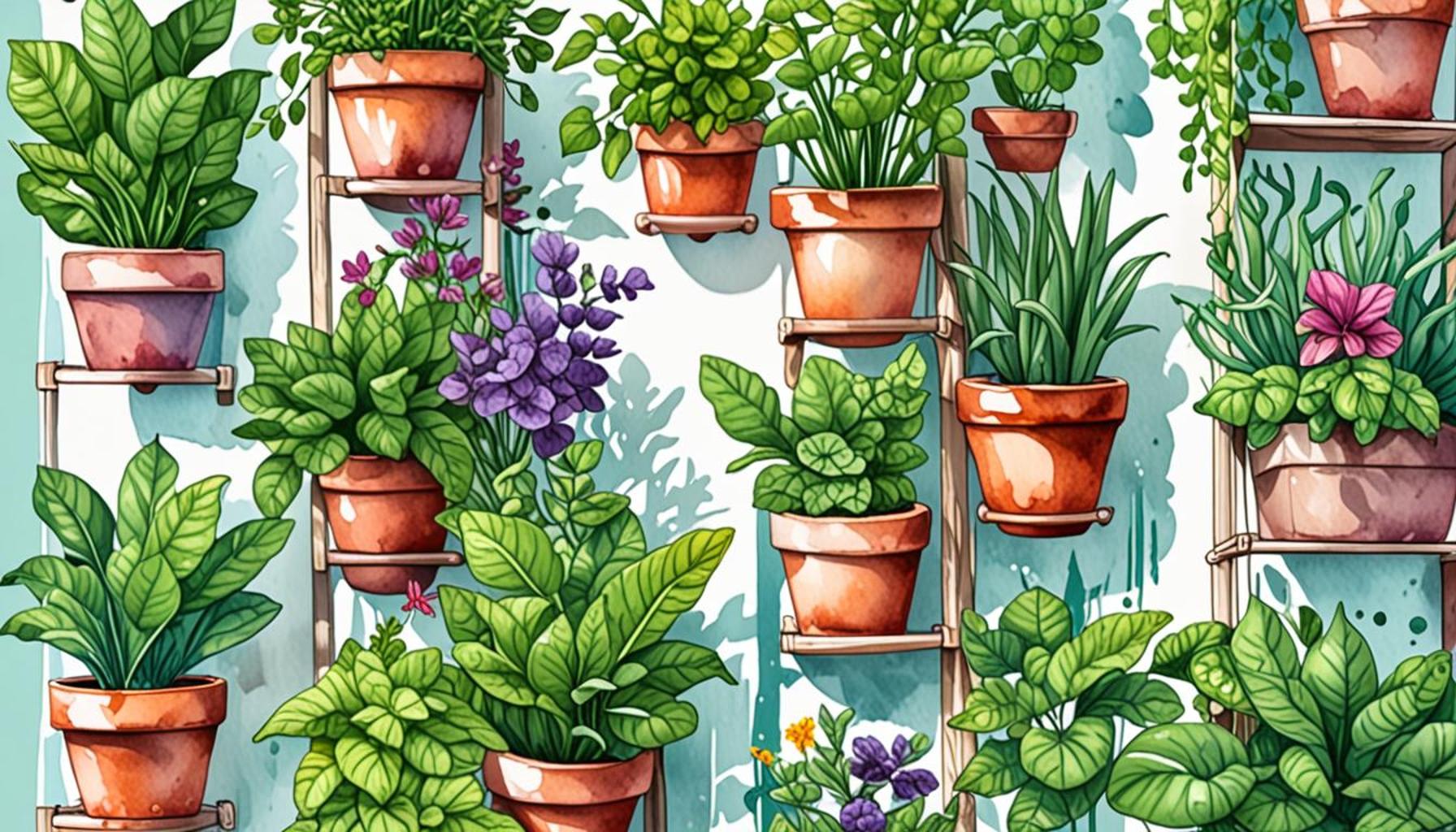
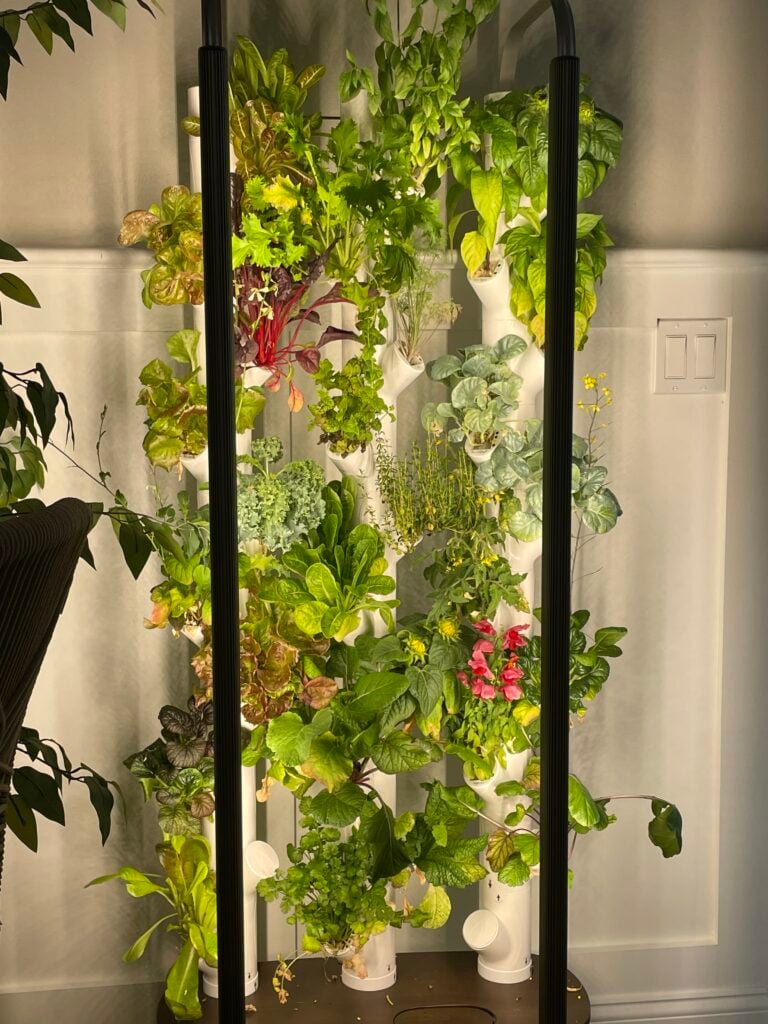
Once you embark on the journey of organic vertical gardening, you’ll uncover a variety of techniques and styles that best suit your space and preferences. Options range from wall-mounted planters made of recycled materials to innovative hydroponic systems that can fit snugly in an apartment. You can mix and match to create a unique garden that reflects your personality.
Whether you’re a seasoned gardener with a wealth of experience or a curious novice ready to explore, this article will equip you with essential tips and knowledge for establishing a thriving vertical garden. With careful planning and a bit of creativity, you can revel in the rewards of nurturing lush greenery, all while embracing a sustainable lifestyle—even in the smallest of spaces.
DIVE DEEPER: Click here to discover how to create a beautiful pollinator garden</p
Choosing the Right Plants for Your Vertical Garden
Before you launch into your organic vertical gardening adventure, it’s crucial to evaluate what plants will thrive in your designated space. The variety of plants available offers vast possibilities, but selecting the right ones can significantly impact your garden’s success, particularly in a confined area. Some plants naturally adapt to vertical growth, while others may need some support to flourish.
When planning your vertical garden, consider the following factors:
- Sunlight Exposure: Assess the amount of sunlight your space receives throughout the day. Many vegetables and herbs require at least 6-8 hours of direct sunlight. For shadier spots, look for plants like ferns, shade-tolerant greens, or even some hearty herbs like mint and parsley.
- Growing Season: In the United States, the growing season can vary significantly between regions. Northern states might favor cool-weather crops, such as spinach and peas, while southern climates can accommodate heat-loving plants like tomatoes and peppers. Tailoring your plant selection to your local climate is key.
- Space Availability: For smaller vertical gardens, opt for compact varieties that won’t overwhelm your space. Dwarf tomatoes, baby greens, and herbs are excellent choices, as they yield healthy produce without too much horizontal growth.
- Maintenance Requirements: Some plants require more care than others. Consider choosing low-maintenance options if your gardening schedule is tight. Many herbs, such as sage and thyme, are forgiving and thrive with minimal attention.
As you explore your options, be aware that some plants can also enhance the growth of others through a concept known as companion planting. For example, planting basil alongside tomatoes not only saves space but can also lead to a better yield. Companion plants can deter pests and attract beneficial insects, adding another layer of success to your vertical garden.
Additionally, consider the use of vertical gardening systems such as living walls or vertical planters, which can accommodate a diverse array of plants in a smaller footprint. These systems allow you to create striking displays of color and texture while making efficient use of available airspace.
Ultimately, the world of organic vertical gardening holds a treasure trove of options for any aspiring gardener. By carefully choosing plants that complement your environment, you can cultivate an inspiring green space that thrives in even the most confined urban settings. In the following sections, we will further explore the techniques and tools to help you maximize your small space and enhance the health of your plants.
Understanding Organic Vertical Gardening
Organic vertical gardening presents a revolutionary approach that is not only space-efficient but also environmentally friendly. By utilizing vertical structures, such as walls, racks, or towers, gardeners can cultivate a variety of plants in confined areas. This method maximizes sunlight exposure and enhances air circulation, crucial for the healthy growth of plants. Additionally, vertical gardening can significantly reduce the strain on back and knees, making gardening accessible to individuals of all ages.
Choosing the Right Plants
When embarking on your organic vertical gardening journey, selecting the right plants is paramount. Opt for those that thrive in vertical spaces, such as herbs like basil and parsley, or climbing vegetables such as peas and tomatoes. These plants not only grow upwards but also yield a delicious harvest, contributing to an organic diet. Furthermore, incorporating a few flowers can enhance aesthetics and attract pollinators, promoting a vibrant ecosystem right in your backyard.
Essential Tools and Supplies
To get started with your organic vertical garden, you need minimal tools but ample creativity. Basic supplies include pots, trellises, or shelving units designed for vertical use. Invest in high-quality organic soil and nutrients that support healthy plant growth. Gardeners should also consider a drip irrigation system, which allows for efficient watering and minimizes water waste. Utilizing recycled materials, such as wooden pallets or plastic bottles, can further enhance sustainability in your gardening efforts.
Caring for Your Vertical Garden
Maintaining an organic vertical garden involves regular monitoring. It is essential to check for pests and diseases, as vertical spaces can sometimes be conducive to these issues due to reduced airflow. Incorporate organic pest control methods, such as Neem oil or insecticidal soap, to keep your plants healthy. Furthermore, regular pruning encourages strong growth and prevents overcrowding. Making a schedule for watering and fertilizing will keep your plants thriving throughout the growing season.
Harvesting and Enjoying Your Produce
As your plants flourish, the excitement of harvesting will begin. Knowing when and how to harvest ensures the best flavor and nutritional content. For example, leafy greens can be picked throughout the growing period, while fruiting plants like tomatoes should be taken when fully ripened. Enjoying the fruits of your labor can lead to a sense of accomplishment and the opportunity to cook healthy meals with fresh, organic ingredients straight from your vertical garden. Embrace this sustainable lifestyle choice, and witness how it can transform not only your living space but also your eating habits.
| Category | Advantages of Organic Vertical Gardening |
|---|---|
| Space Efficiency | Allows for gardening in limited areas, maximizing production. |
| Health Benefits | Promotes the growth of fresh, organic produce, supporting a healthier diet. |
DIVE DEEPER: Click here to learn more about composting
Essential Tools and Techniques for Vertical Gardening
Beyond selecting the right plants, maximizing the efficiency and health of your organic vertical garden relies heavily on utilizing the correct tools and techniques. Understanding the right ways to create, maintain, and harvest from your vertical space will greatly enhance both the aesthetics and functionality of your garden. Here are a few essential components to consider:
- Vertical Structures: Investing in high-quality vertical structures is crucial. Options range from trellises and fences to specialized vertical planters and wall-mounted systems. When choosing a structure, ensure it’s sturdy enough to support the weight of your plants and soil. Recycled pallets and hanging shoe organizers can also be ingeniously repurposed for this purpose, offering a budget-friendly solution that adds character to your space.
- Soil and Fertilizers: Using the right soil mix is vital for maximizing plant health and growth. An organic potting mix that retains moisture while ensuring proper drainage will encourage healthy root development. Compost is a fantastic addition, enriching your soil with nutrients. Additionally, consider natural fertilizers such as worm castings or a balanced organic fertilizer to provide ongoing nutrition for your plants.
- Irrigation Systems: Efficient watering can be particularly challenging in vertical gardens. Installing a drip irrigation system can save time and ensure your plants receive consistent moisture. If a drip system isn’t feasible, self-watering pots or frequent manual watering using a long spout watering can can also do the trick. Remember, over-watering can be detrimental, so monitor your plants closely for signs of stress or rot.
- Pest Control: Maintaining an organic balance in your garden also means implementing natural pest control methods. Consider introducing beneficial insects such as ladybugs and lacewings, which feed on common pests. Additionally, homemade sprays using ingredients like soap and neem oil can help deter unwanted visitors. Monitoring your garden closely will help you catch pest issues early before they escalate.
Maximizing Space through Creative Planting Techniques
One of the highlighted benefits of vertical gardening is the potential to maximize limited space. However, the manner in which you plant your chosen varieties can significantly enhance this effect:
- Stacked Planting: Utilize the vertical space by stacking plant containers at various heights. This technique not only improves accessibility but also enhances light exposure across different tiers of plants.
- Interplanting: Pair plants with different growth rates and heights. For example, plant fast-growing greens like spinach at the base of taller structures where sun exposure is optimal. This approach capitalizes on the available sunlight while using the full vertical space efficiently.
- Seasonal Rotation: Take advantage of changing seasons to maintain a steady supply of fresh produce. For instance, after harvesting your spring crops, plant summer-friendly options in the same space. This rotation keeps your garden dynamic and productive throughout the year.
By applying these strategies, you can create a thriving organic vertical garden that not only beautifies your space but also provides healthy, fresh produce throughout the growing season. With attention to detail, planning, and dedication, your small space can become a diverse ecosystem filled with flavor and vitality, proving that with a little creativity, gardening can flourish anywhere.
DISCOVER MORE: Click here for essential tips on indoor plants
Conclusion: Cultivating Your Urban Oasis
In summary, organic vertical gardening presents a remarkable opportunity for anyone with limited space who still wishes to enjoy the benefits of growing their own healthy plants. By incorporating the right tools, techniques, and creative planting methods, you can transform even the smallest of balconies or patios into a lush oasis of vibrant greens and vitamins. The unique strategies highlighted in this article, from stacked planting to seasonal rotation, not only maximize your available square footage but also promote biodiversity in urban settings.
As you embark on this green journey, remember that every little detail counts—from the carefully selected vertical structures to the rich organic soil that nourishes your plants. Growing food sustainably within confined spaces not only provides a sense of accomplishment but also fosters a deeper connection with nature and promotes a healthier lifestyle. Additionally, as you cultivate your vertical garden, consider engaging with local gardening communities or online forums to exchange tips, advice, and support. These resources can enhance your experience and provide valuable insights that will propel your gardening skills forward.
Ultimately, organic vertical gardening is more than just a trend; it’s a celebration of ingenuity and sustainability. By embracing this approach, you are not only contributing to the green movement but also enjoying the fruits of your labor right at home. So grab your gardening gloves, get creative, and start maximizing your small space today! Your fresh, organic produce is just a vertical step away.