
Companion Planting: How Plants Help Each Other in Organic Methods
Unleashing Nature’s Potential
Every gardener knows that plants have their secrets, but few realize how plants can actively support each other. Through the fascinating practice of companion planting, we discover a sustainable way to enhance growth, deter pests, and enrich the soil, all without synthetic chemicals. This organic method not only benefits individual plants but also promotes a healthier ecosystem in your garden. Embracing companion planting is like signing a secret pact among plants, where they work cooperatively to thrive and flourish.
Benefits of Companion Planting
- Pest Control: Certain plants repel harmful insects, effectively lowering the need for pesticides. For example, planting garlic near roses can deter aphids, while nasturtiums act as a trap crop, drawing aphids away from other plants.
- Nutrient Sharing: Some plants enhance soil nutrients, benefiting their neighbors. Legumes, such as peas and beans, fix nitrogen in the soil, making it available for surrounding plants like corn and cucumbers.
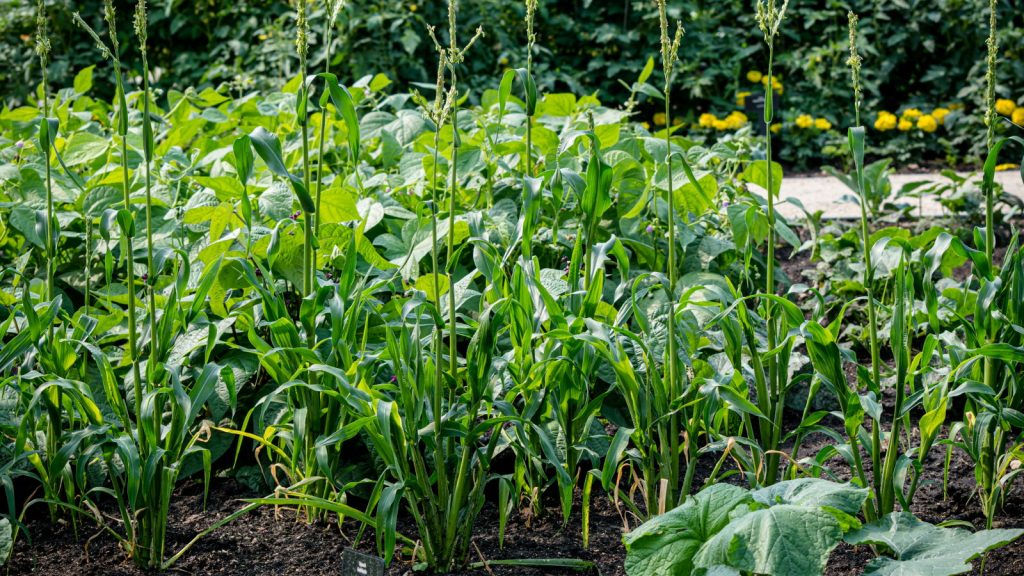
- Space Maximization: Strategic planting allows for more efficient use of garden space. For instance, the classic combination of corn, beans, and squash—often referred to as the Three Sisters—utilizes vertical space effectively and forms a biodiverse planting system.
- Improved Pollination: Diverse plants attract more pollinators, ultimately increasing yield. For instance, planting diverse flowering herbs like lavender and borage can attract bees, which will enhance the productivity of nearby flowering crops.
For instance, when you plant marigolds alongside tomatoes, the aromatic flowers deter nematodes and enhance growth. Their vibrant blooms not only add beauty to the garden but also create a synchronization that benefits the tomato plants tremendously. Similarly, basil does double duty; not only does it complement tomatoes in cuisine, but it also repels common pests such as whiteflies, making tomatoes healthier and more productive. Understanding these relationships opens a treasure trove of possibilities for both novice and experienced gardeners.
In this article, we will delve deeper into the world of companion planting, uncover its practical applications, and explore how to create a thriving, organic garden that works in harmony with nature. By understanding these interconnected systems, gardeners can experience less frustration and cultivate lush, vibrant harvests. So roll up your sleeves and get ready to unlock the secrets of your garden!
GET STARTED: Click here to discover the best vegetables for your garden
Understanding Plant Relationships
In the realm of gardening, companion planting goes beyond mere aesthetics; it is a dynamic approach that involves creating synergistic relationships between various plant species. This method, deeply rooted in traditional agricultural practices, reveals how planting certain species together enhances their growth and sustenance, ultimately creating a more resilient garden. These interactions are based on a variety of factors including nutrient exchange, resource sharing, and pest deterrence, offering a plethora of advantages that can substantially improve both yield and plant health.
The Science Behind Companion Planting
To effectively utilize companion planting, it’s essential to understand the science that underpins these interactions. Research has shown that certain plants can influence the growth of their neighbors through complex biochemical processes, including the release of specific chemicals into the soil or air. For example, plants like garlic and onions release sulfur compounds that can inhibit the growth of soil-borne diseases such as root rot, benefiting nearby crops that might be vulnerable. This establishes a protective barrier, helping to maintain a healthy garden ecosystem.
Additionally, some plants can attract beneficial insects that serve as natural predators to pests. The presence of dill or fennel can lure predatory wasps, which in turn control aphid populations that could otherwise devastate nearby plants. Thus, understanding the specific roles each plant plays in this intricate web of relationships creates opportunities for gardeners to make informed decisions when planning their plots.
Common Companion Plant Combinations
- Roses and Garlic: Not only does garlic deter aphids, but its strong aroma can also mask the scent of roses, confounding pests.
- Corn and Beans: The beans climb the cornstalks while simultaneously fixing nitrogen in the soil, enriching it for their corn companion.
- Squash and Nasturtiums: Nasturtiums act as a trap crop, luring pests away from squash plants, while also improving overall biodiversity.
- carrots and onions: These two plants make excellent neighbors as they repel one another’s pests, reducing the risk of infestations.
As we dive deeper into the fascinating world of companion planting, it becomes clear that making the right plant combinations can significantly impact the abundance of your garden. By initiating harmonious relationships between plants, gardeners have the potential to create a thriving ecosystem that not only looks beautiful but also promotes sustainability. This vibrant interplay invites gardeners to experiment and learn, unlocking the potential of what their green spaces can achieve. In the next section, we will explore practical tips and strategies for implementing these plant partnerships effectively, ensuring your garden flourishes in the most organic way possible.
| Advantages | Details |
|---|---|
| Enhances Nutrient Absorption | Certain plants, like legumes, can fix nitrogen in the soil, enriching nutrients for neighboring crops, promoting healthier growth. |
| Pest Deterrence | Companion plants can repel insects that target specific species, reducing the need for chemical pesticides and fostering a natural balance. |
| Improved Crop Yield | By planting compatible species together, gardens can see increased productivity, as they utilize the available space and resources more efficiently. |
| Disease Resistance | Some plants emit chemical signals that can strengthen the immune responses of their neighbors, making them less susceptible to diseases. |
Companion planting not only elevates the overall health of your garden but also intrigues organic gardeners looking for sustainable solutions. The practice offers a comprehensive method for creating vibrant ecosystems where each plant supports the others in remarkable ways. As you begin to explore the synergy among crops, you will uncover countless opportunities to optimize growth, foster resilience, and create a flourishing organic garden. Each relationship among plants tells a unique story of collaboration, paving the way for an understanding that natural methods yield more than just aesthetically pleasing results. Take a deeper plunge into the world of companion planting and discover the thriving dynamics at play.
DISCOVER MORE: Click here to learn about the vital role of microorganisms in your garden</a
Practical Strategies for Successful Companion Planting
Implementing companion planting strategies in your garden involves thoughtful planning and a keen understanding of plant interactions. While the concept may seem straightforward, maximizing the benefits often requires a bit of research and experimentation. Below are some practical strategies that can help you harness the power of these beneficial plant relationships effectively.
Plan Your Garden Layout
When designing your garden, consider the spatial relationships between plants. A well-planned layout can significantly enhance plant compatibility and overall growth. For example, planting taller crops like corn in the center or back of the garden will help provide shelter for shorter plants such as lettuce or radishes, which thrive in partial shade. This design not only optimizes light exposure but also protects delicate plants from harsh environmental stressors.
Furthermore, consider the planting time. Some plants, known as “cool-season” crops (like spinach or peas), can thrive alongside “warm-season” crops (like tomatoes) as they can be planted before or after the latter’s growing season. This staggered planting promotes continuous harvests and efficient use of garden space, allowing for maximum yield while also enhancing soil health.
Soil Health and Nutrient Management
The health of your soil is critical for the success of companion planting. Certain plants are known for their ability to improve soil structure and fertility. For instance, legumes such as beans and lentils fix nitrogen in the soil, providing essential nutrients that benefit neighboring crops like corn and peppers. Including herbs, such as chives or basil, can further enhance soil quality, as many herbs possess deep root systems that aerate the soil while also repelling pests.
Moreover, implementing practices like crop rotation can be beneficial as it prevents soil depletion and disease buildup. By rotating companion plants with different nutrient needs, gardeners can foster a sustainable environment by reducing pest attractants and promoting biodiversity within the ecosystem.
Monitoring and Adjusting Plant Interactions
Even after establishing your companion planting strategy, ongoing observation is crucial. The interaction between plants can change depending on various conditions such as climate, soil health, and pest populations. Regularly monitoring your garden allows you to identify which plant combinations thrive and which may need readjustments. For instance, if you notice that your squash plants are struggling despite the presence of frying flies that are undeterred by nasturtiums, it may be time to explore alternative trap crops or beneficial insects to encourage a healthier ecosystem.
Additionally, keeping an eye on the physical health of plants will guide your gardening choices. If certain species indicate stress, it is vital to reassess their companions for adaptability and resilience. A diverse garden that respects the needs of its inhabitants tends to be more robust against disease and pests.
- Utilizing Marigolds: These blossoms release compounds that deter nematodes and other harmful pests, making them an ideal companion for vegetable beds.
- Integrating Cover Crops: Planting cover crops like clover during off-seasons can enhance soil nitrogen levels while suppressing weeds.
By understanding the principles of companion planting and implementing deliberate strategies, gardeners can create symbiotic relationships that significantly enhance yield and resilience, showcasing how nature’s partnerships can lead to a flourishing garden ecosystem. As we progress in our exploration of this organic method, the connection between plants serves as a reminder of the importance of collaboration—both among plants and within our gardening practices.
DISCOVER MORE: Click here to learn how to create your own terrarium!
Conclusion: The Synergy of Plants in Organic Gardening
Incorporating companion planting into your gardening practices opens the door to a more dynamic and resilient ecosystem. As we have explored, the relationships that develop between various plant species can lead to improved growth, enhanced pest management, and healthier soil—benefits that resonate throughout the organic gardening community. By strategically pairing plants that support each other, gardeners not only boost yield but also create a harmonious environment that mirrors nature’s own collaborative practices.
Understanding the nuances of plant interactions is essential. From using tall plants to provide shelter for fragile species to employing legumes to enrich soil nitrogen levels, the possibilities are abundant. The ongoing process of observing plant responses and adapting strategies ensures that your gardening efforts remain sustainable and effective. Successful companion planting requires patience, experimentation, and a willingness to adjust your methods according to the natural dynamics at play in your garden.
Moreover, as environmental concerns grow, practices like companion planting reflect a commitment to organic methods that honor both plant life and the larger ecosystem. By fostering biodiversity and reducing reliance on synthetic inputs, we embrace a future of gardening that is as beneficial for the gardener as it is for the plants. So, whether you’re a novice or an experienced gardener, diving into the world of companion planting promises not just a more productive garden but a deeper connection with the interconnectedness of nature itself.
Ultimately, the journey of exploring companion planting invites us all to rethink how we approach gardening. By recognizing that plants can help each other thrive, we cultivate not only a garden full of life and productivity but also a deeper appreciation for nature’s intricate web of relationships.