
Cultivation of Aromatic Herbs: Organic Methods for Beginners
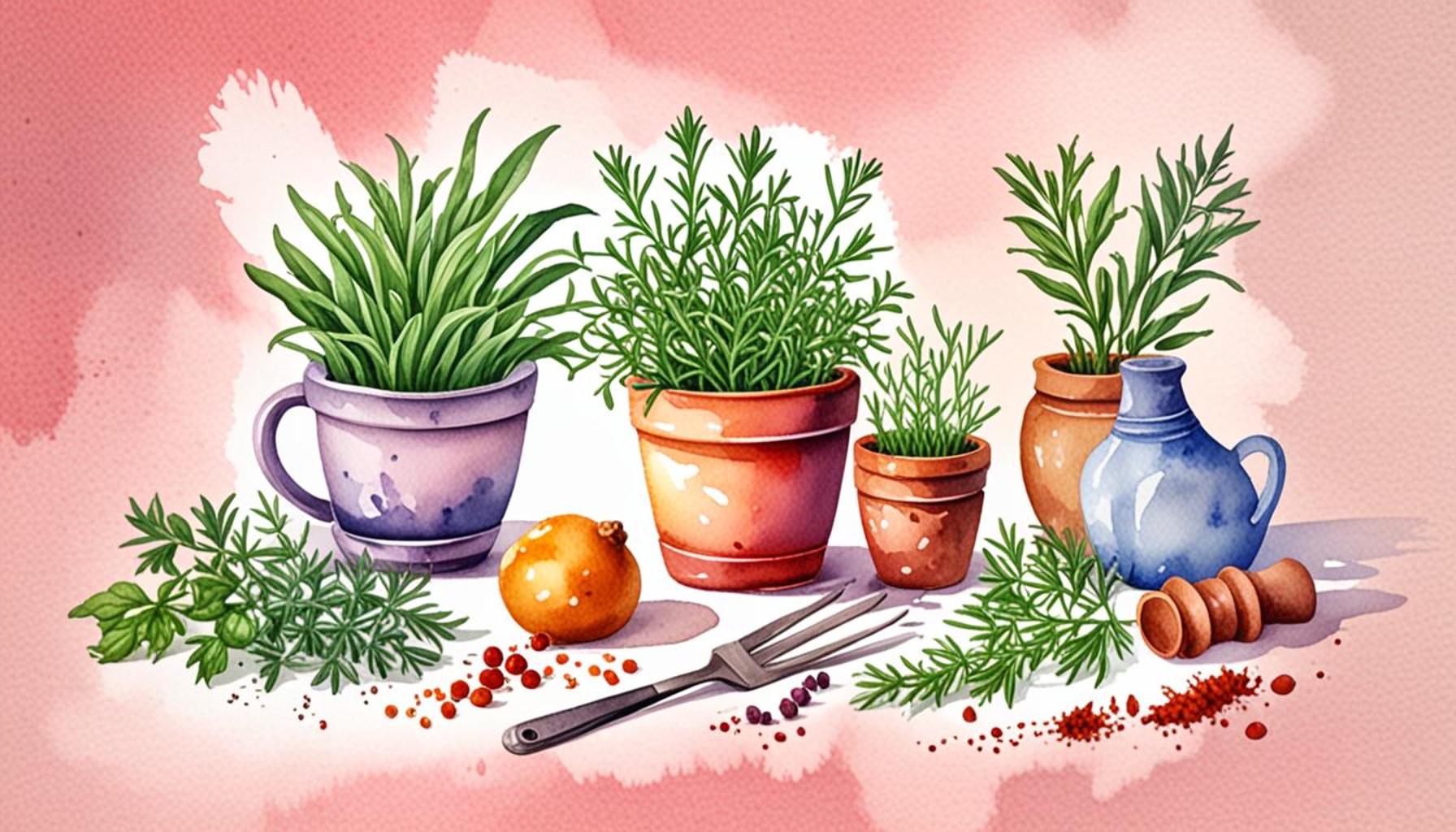
Discovering the World of Aromatic Herbs
The vibrant world of aromatic herbs offers a delightful fusion of fragrance, flavor, and wellness. As more people gravitate towards sustainable living, organic cultivation of aromatic herbs serves as an ideal gateway for beginners seeking to enhance their gardens and diets. Whether you have a spacious backyard or a modest balcony, nurturing these herbs can transform your space into a sanctuary of serenity.
Why Grow Aromatic Herbs?
The benefits of growing herbs extend beyond mere aesthetics. The addition of aromatic herbs to your home not only invigorates the senses but also fits seamlessly into a healthier lifestyle. Here are some compelling reasons to consider:
- Health Benefits: Many aromatic herbs, such as thyme and ginger, possess medicinal properties that can aid in digestion, boost immunity, and provide anti-inflammatory benefits. Research has shown that herbs like oregano contain antioxidants that combat free radicals, contributing to overall wellness.
- Culinary Uses: Imagine plucking fresh basil or cilantro from your garden just before adding it to a homemade pasta dish or a refreshing salsa. Fresh herbs can elevate any meal, adding layers of flavor that dried alternatives simply cannot match.
- Cost-effective: Maintaining an herb garden is a budget-friendly approach to cooking. Growing your own herbs cuts down on the need for frequent trips to the grocery store, where fresh herbs can be pricey and may wilt quickly. An established herb garden can yield a continuous supply, making it an economical choice.
Moreover, organic methods focus not only on maintaining soil health but also emphasize sustainability. By avoiding harmful pesticides and chemical fertilizers, homeowners can foster a thriving ecosystem that benefits both their plants and the environment around them.
Getting Started
Beginning your journey into aromatic herb cultivation can be easy and rewarding. Here’s a simple checklist to help you dive in:
- Select your herbs: Consider starting with popular choices like basil, rosemary, and mint. Each herb has its unique growth requirements and flavor profiles, allowing you to create a diverse culinary palette.
- Choose your location: Ensure adequate sunlight for your herbs; many thrive with at least six hours of direct sunlight daily. Position your garden in an area protected from harsh winds, which can damage delicate plants.
- Prepare the soil: Prioritize organic compost to enrich your soil, ensuring it is well-drained. You may also consider using raised beds or containers if you’re limited by space, as they make managing soil quality easier.
This article will guide you through cultivating aromatic herbs using organic techniques that are both accessible and beginner-friendly. From understanding the nuances of herb growth to exploring their myriad uses in cooking and health, your newfound knowledge will not only enhance your gardening skills but also contribute to a healthier, more flavorful lifestyle. Dive into this aromatic adventure, and discover the many benefits that comes from growing your own herbs.
DIVE DEEPER: Click here to discover more
Essential Steps for Successful Herb Cultivation
Embarking on the journey of cultivating aromatic herbs organically not only brings beauty and function to your home but also allows you to reconnect with nature. By understanding the best practices for growing these flavorful plants, you can establish a thriving herb garden that benefits your culinary creations and overall well-being. Here are some essential steps and considerations to guide your efforts:
Understanding Soil Health
The foundation of any successful garden lies in healthy soil. For aromatic herbs, using organic soil amendments is crucial as it promotes biodiversity and nourishes the plants. Begin by testing the soil pH to determine its acidity or alkalinity; most herbs prefer a pH range of 6.0 to 7.0. Based on the results, you can amend your soil with:
- Compost: Rich in nutrients and beneficial microorganisms, compost helps retain moisture and improves soil structure.
- Organic fertilizers: Utilize slow-release organic fertilizers to provide essential nutrients without the risk of chemical runoff.
- Mulch: Applying organic mulch around your plants helps conserve moisture, suppresses weeds, and slowly adds nutrients to the soil as it decomposes.
Enriching your soil in this way not only creates a nurturing environment for your herbs but also aligns with sustainable gardening practices that result in a healthier ecosystem.
Watering Wisely
Once your soil is primed, understanding the watering needs of your herbs is imperative. Overwatering and underwatering are common pitfalls for beginners, so it’s essential to find the balance. Implement the following guidelines:
- Check for dryness: Always check the top inch of soil before watering. If it feels dry, it’s time to water; if it’s still moist, hold off.
- Water deeply: Instead of frequent light watering, give your herbs a good soak once or twice a week to encourage deeper root growth.
- Adapt to seasons: Be mindful that water needs may change with the seasons, requiring increased attention during hot summer months.
Adopting a mindful approach to watering not only conserves resources but also strengthens the resilience of your plants, allowing them to thrive.
Choosing Companion Plants
When planning your herb garden, consider the concept of companion planting. Certain herbs can thrive together while repelling pests or enhancing each other’s growth and flavor. For instance, combining basil with tomatoes is known to boost tomato growth while adding a delightful flavor profile to dishes. Other beneficial pairings include:
- Mint and cabbage: Mint can deter pests that are attracted to cabbage.
- Rosemary and beans: Rosemary may protect beans from aphids, while beans add nitrogen to the soil.
By thoughtfully selecting companion plants, you can create a harmonious garden that prevents pest issues and increases crop yields.
By following these vital steps in organic cultivation of aromatic herbs, you’re setting the stage for a flourishing garden. As you continue on this journey, you’ll discover that patience, observation, and a willingness to learn are your greatest allies in becoming an accomplished herb gardener.
| Advantages | Details |
|---|---|
| Natural Pest Control | Utilizing aromatic herbs such as basil and mint can help deter pests naturally, reducing the need for chemical pesticides. |
| Enhanced Flavor | Freshly grown herbs offer a far superior flavor compared to dried versions, making meals more aromatic and delicious. |
| Therapeutic Benefits | Certain aromatic herbs, like lavender and chamomile, can promote relaxation and improve mental health. |
| Sustainable Gardening | Organic cultivation methods promote biodiversity and sustainability, supporting environmental health while providing fresh produce. |
| Economic Value | Growing your own herbs can decrease grocery bills and provide an opportunity for small-scale income if producing for local markets. |
Exploring organic methods in the cultivation of aromatic herbs opens up a realm of possibilities for beginners. From enhanced flavors in culinary dishes to the ecological benefits of sustainable gardening practices, the journey of growing aromatic herbs is both rewarding and beneficial. With a little knowledge and dedication, anyone can turn their garden into a haven for fragrant plants, while reaping health benefits and helping the planet. The less dependency on chemicals, coupled with the immense joy of harvesting one’s own herbs, undoubtedly adds value to everyday life. Start your aromatic herb garden today and embrace the many advantages it brings!
DISCOVER MORE: Click here to start your gardening journey
Advanced Techniques for Herb Cultivation
As you delve deeper into the world of cultivating aromatic herbs, employing advanced techniques can greatly enhance your gardening experience and yield. Beyond the basics of soil health, watering, and companion planting, there are intriguing methods that can elevate your herb garden from ordinary to extraordinary. Here are key strategies to consider:
Utilizing Herb Drying Techniques
One of the joys of growing aromatic herbs is the ability to preserve their flavors for future use by employing drying techniques. Properly dried herbs maintain their scent and taste, allowing you to enjoy your garden’s bounty long after harvest. Here are some popular methods:
- Air drying: Bundle herbs together and hang them upside down in a warm, dark, and well-ventilated area. This method takes a few weeks, but it is energy-efficient and preserves the aromatic qualities of the herbs.
- Dehydrator: If you want to speed up the process, consider using an electric dehydrator. Set at a low temperature, it efficiently removes moisture while maintaining flavors.
- Oven drying: Spread herbs on a baking sheet in a low-temperature oven (around 180°F), checking frequently to prevent burning. This method is quick but requires close attention.
Once dried, store your herbs in airtight containers, ideally in a dark pantry to protect from light and moisture. This practice not only reduces waste but also ensures you have fresh herbs available throughout the year.
Experimenting with Cultivation Methods
Incorporating methods such as hydroponics or aeroponics can yield quick results and maximize space, especially for those with limited gardening areas. Both techniques allow you to grow herbs in nutrient-rich water or air, respectively, eliminating the need for soil while promoting faster growth. Here are some insights:
- Hydroponics: This soil-less method uses a nutrient solution and can be set up indoors or outdoors through various systems, including nutrient film technique (NFT) and deep water culture (DWC). Hydroponics can produce stronger plants with higher yields in a shorter time frame.
- Aeroponics: Involves growing plants in a mist environment while substantiating roots with a nutrient solution. This method conserves water and promotes optimal nutrient absorption, which can enhance flavor profiles in aromatic herbs.
These innovative systems not only save water but also allow for year-round herb cultivation, making it an attractive option for urban gardeners or those passionate about sustainability.
Embracing Pest Management Naturally
Pest problems are an inevitable part of gardening, but that doesn’t mean you need to resort to chemical solutions. Natural pest management combines preventive measures with eco-friendly remedies to keep your herbs healthy. Consider the following tactics:
- Beneficial insects: Invite pollinators like bees and beneficial predators like ladybugs into your garden to help control pest populations.
- Essential oil sprays: Create homemade pesticide sprays using oils like neem or peppermint combined with water. These solutions repel pests effectively while being safe for humans and plants.
- Physical barriers: Utilize row covers or netting to protect plants from pests while allowing sunlight and rain to benefit them.
By embracing these natural alternatives, you promote a healthier ecosystem while keeping your herb garden thriving. This not only enhances the health of your plants but also contributes to a sustainable approach to herb cultivation.
DISCOVER MORE: Click here to learn about companion planting
Conclusion
In conclusion, the cultivation of aromatic herbs using organic methods offers beginners a rewarding and sustainable gardening experience. By implementing foundational practices such as healthy soil management, efficient watering, and appropriate companion planting, novice gardeners can successfully nurture a vibrant herb garden. As you progress, exploring advanced techniques like herb drying, hydroponics, and natural pest management can greatly enhance both your yields and the overall quality of your herbs.
Among the myriad benefits of growing your own aromatic herbs, the joy of harvesting and preserving flavors long after the growing season stands out as a significant reward. Incorporating innovative methods such as air drying or using dehydrators empowers you to maximize your herb usage and reduce waste. Meanwhile, leveraging soil-less gardening methods like hydroponics not only saves space but also allows for quicker growth, making it ideal for urban gardeners with limited room.
As you embark on your herb cultivation journey, remember that patience and observation are key. Regularly assess your plants and experiment with the various strategies outlined throughout this article. By embracing organic methods, you will not only produce aromatic herbs that enhance your culinary creations but also contribute to a healthier ecosystem. Take the plunge into the delightful world of aromatic herbs and unlock the full potential of your organic gardening adventure!