Pollinator Seeds: Organic Plants that Attract Beneficial Insects to Your Garden
Transforming Your Garden into a Pollinator Paradise
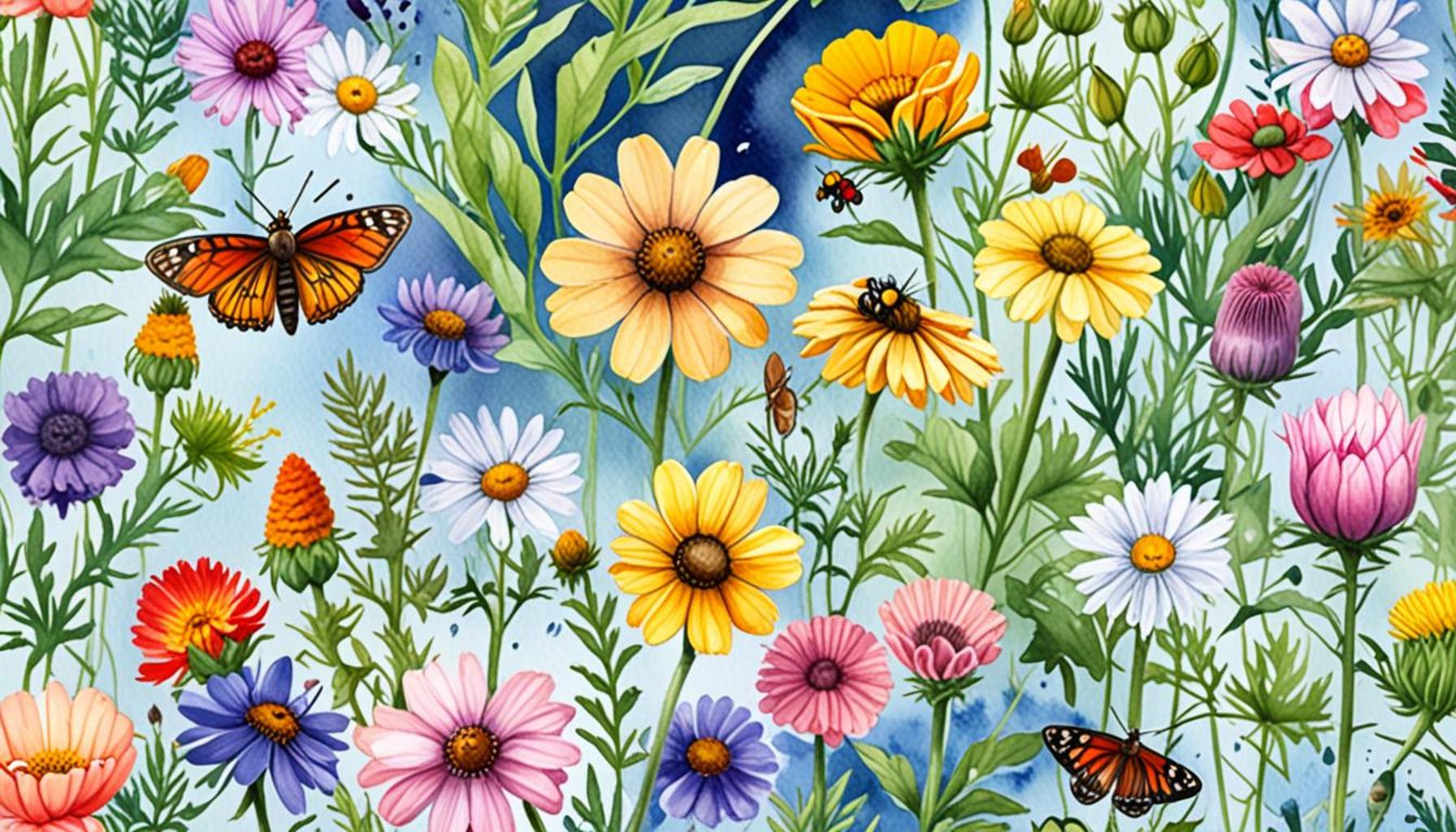
Did you know that planting pollinator seeds can transform your garden into a thriving ecosystem? With an increasing awareness of how essential beneficial insects are for our environment, organic gardening has taken center stage. By choosing the right plants, you can invite these helpful creatures into your backyard.
The role of pollinators extends far beyond the beauty of their fluttering motions; they are crucial for the pollination of many crops and wild plants. Research indicates that pollinators contribute to about one-third of the food we consume. Hence, many gardeners are now focusing on organic options that support local wildlife, making their gardens not just visually appealing but also vital for ecological health. Here are some compelling reasons to consider:
- Enhance biodiversity: Diverse plant life attracts a range of insects, not just pollinators but also other beneficial species, including predatory insects that help control pest populations.
- Support local pollination: Pollinators like bees, butterflies, and hummingbirds enhance cross-pollination, which increases crop yields significantly—a critical factor for both home gardeners and agricultural sectors.
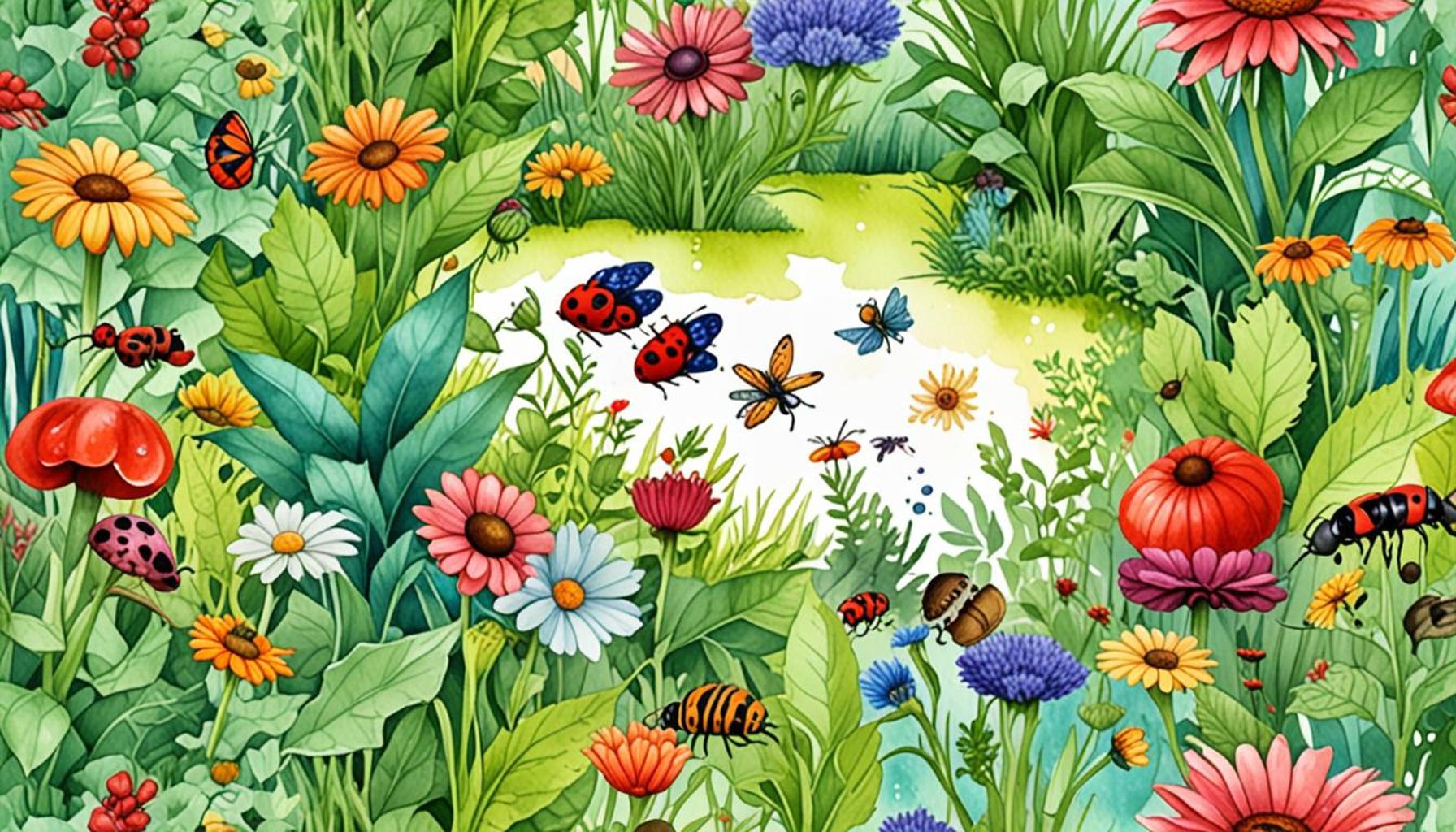
- Insect population control: Beneficial insects like ladybugs and lacewings naturally manage pests such as aphids, reducing the need for harmful pesticides.
Organizing your garden around organic plants that attract beneficial insects isn’t just beneficial for the environment; it also enhances the beauty and productivity of your space. Some popular choices for pollinator-friendly seeds include:
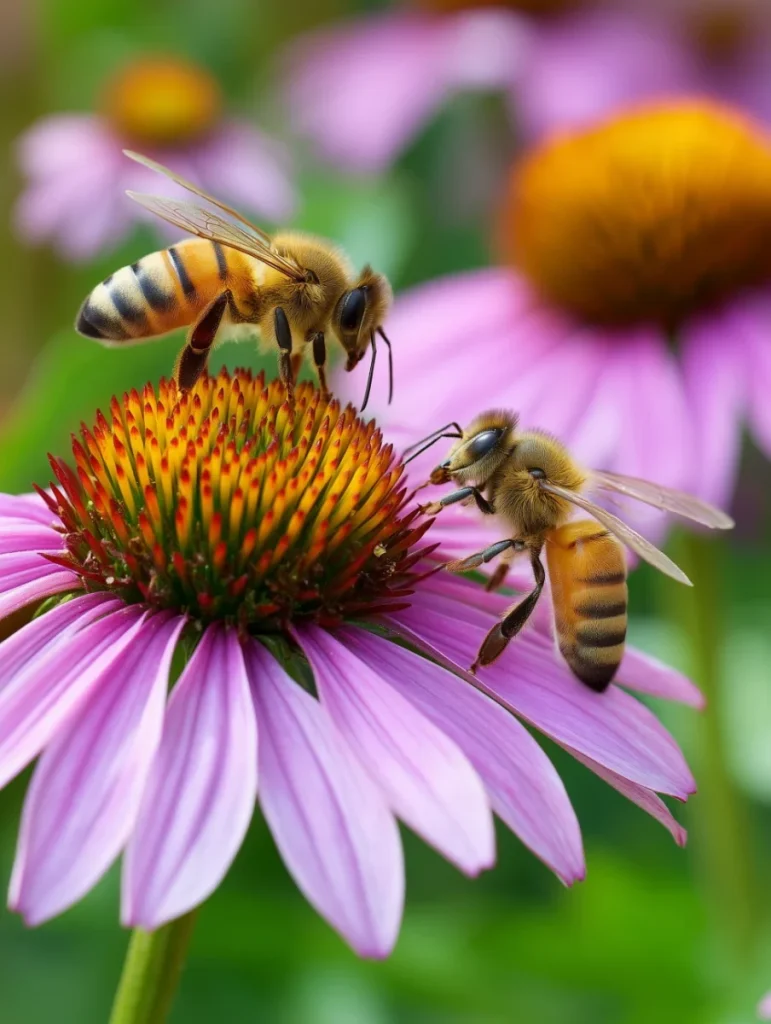
- Wildflowers such as coneflowers (Echinacea) and butterfly weed (Asclepias tuberosa), both of which are known to attract a variety of butterflies and bees.
- Herbs like basil (Ocimum basilicum) and lavender (Lavandula), which not only provide culinary benefits but also serve as nectar sources for pollinators.
- Flowering plants such as sunflowers (Helianthus annuus) and zinnias (Zinnia elegans), which offer vibrant colors and are easy to grow, creating a feast for the eyes and the insects alike.
As you cultivate your garden, understanding the symbiotic relationships between plants and insects will unlock a world of natural harmony. Not only does this approach help restore balance to local ecosystems, but it can also lead to an abundant yield of fruits, vegetables, and ornamental flowers in your garden. From a conservation perspective, creating a pollinator haven is a rewarding endeavor that empowers you to make a significant impact on ecosystem health.
As you embark on this fulfilling gardening journey, consider documenting your progress. Share your experience with fellow gardeners or conservationists, and help spread awareness about the importance of pollinator habitats. Together, we can nurture a sustainable future, one garden at a time!
DISCOVER MORE: Click here to learn about the benefits of indoor plants for your mental health
Understanding the Importance of Pollinator Seeds
The foundation of a thriving garden lies in the selection of pollinator seeds that cater to the needs of beneficial insects. When you design your garden with organic plants in mind, you don’t just enhance its aesthetic appeal; you create a sanctuary for the myriad of insect life that plays an essential role in pollination. The interconnectedness of plants and their insect partners is a cornerstone of healthy ecosystems, particularly in the United States where diverse wildlife thrives.
By promoting pollinator-friendly plants, gardeners can foster conditions that support not only bees and butterflies but also a whole spectrum of creatures that contribute to healthy garden dynamics. Consider this: over 4,000 species of native bees in North America, alongside butterflies, hummingbirds, and many more insects, all rely on specific plants for their lifecycle. This means that choosing the right seeds can lead to a boom in beneficial insect populations that ultimately support increased productivity and natural pest control in your garden.
Choosing the Right Pollinator-Friendly Plants
When selecting pollinator seeds, it’s essential to consider native plants that thrive in your local environment. Native plants are better adapted to the local climate and soil, require less water and care, and offer the most nutritious resources for local insects. Here’s a selection of highly recommended organic plants to attract a variety of beneficial insects:
- Bee Balm (Monarda didyma) – This striking perennial is known for its vibrant flowers, which are particularly enticing to bees, butterflies, and hummingbirds.
- Goldenrod (Solidago) – While often disregarded as a weed, goldenrod provides essential late-summer nectar for monarchs and various pollinators when many other plants have finished blooming.
- Black-eyed Susan (Rudbeckia hirta) – This cheerful flower is a beacon for butterflies and bees alike, known for its hardy nature and ability to thrive in a variety of environments.
- Milkweed (Asclepias spp.) – An essential host plant for monarch butterflies, milkweed plays a vital role in preserving their populations while attracting other pollinators.
- Thyme (Thymus vulgaris) – This aromatic herb blossoms with tiny flowers that are a magnet for a diverse range of bees, offering great culinary benefits too.
In addition to selecting the right plants, timing is crucial. Incorporating a mix of early, mid, and late-blooming flowers can ensure that nectar sources are available throughout the growing season. This diversity not only supports a wide range of insect life but also creates a visually appealing landscape that changes with the seasons. By cultivating your garden in such a way, you contribute significantly to the stability and health of your local ecosystem, making your gardening efforts both rewarding and impactful.
By investing in pollinator seeds that enhance biodiversity, you become an active participant in the conservation of vital animal populations while enjoying the countless benefits they bring. In the next section, we will explore additional ways to create an inviting habitat for these essential insects, ensuring your garden flourishes both in beauty and productivity.
In the quest to create a thriving garden that truly supports local ecosystems, pollinator seeds play an immensely vital role. Understanding the benefits of these organic plants can deepen your appreciation for garden biodiversity and its impacts on the environment.Pollinator seeds are specifically chosen for their ability to attract beneficial insects, such as bees, butterflies, and other pollinators, which are critical for the health of your plants. They not only ensure successful cross-pollination but also help in increasing the yield and quality of your crops. Consider incorporating varieties like clover, sunflowers, and wildflowers that offer nectar and pollen throughout various seasons. Additionally, planting these organic seeds enhances the aesthetic appeal of your garden. The vibrant colors and diverse textures not only beautify your space but also create habitats for beneficial insects. By promoting a balanced ecosystem, you effectively reduce the need for chemical pesticides and fertilizers, fostering a healthier garden environment.By aligning gardening practices with nature’s rhythms, you become part of the solution to the environmental challenges we face today. Your garden can transform into a sanctuary for pollinators, contributing to their survival and, in turn, supporting plant health and productivity. As you explore the myriad benefits of pollinator seeds, consider the larger ecological impact of your gardening choices, unearthing new methods to cultivate a sustainable paradise right in your backyard.To summarize, pollinator seeds are not merely a choice for beautification; they represent a comprehensive approach to gardening where every plant has a purpose. They enhance biodiversity, promote pollinator health, and further the mission of sustainable gardening. Explore beyond the ordinary and discover how to integrate these organic plants into your gardening practice for optimal results.
| Advantage | Details |
|---|---|
| Enhanced Pollination | Pollinator seeds draw in insects that increase fruit and vegetable yields. |
| Biodiversity Boost | A diverse plant selection creates a balanced ecosystem for beneficial insects. |
DISCOVER MORE: Click here to learn how composting can enrich your vegetable garden
Creating a Beneficial Insect Habitat
Alongside choosing the right pollinator seeds, designing a thriving environment for beneficial insects involves several key elements. This not only encompasses the plants themselves but also the broader ecosystem of your garden. Incorporating various natural structures and maintaining a low-impact approach is vital for attracting a diverse range of pollinators, ensuring that your garden flourishes throughout the seasons.
Water Sources and Shelters
Insects, much like humans, require water to survive. A small, shallow dish filled with clean water can create a refreshing respite for thirsty pollinators. Adding pebbles or marbles can help insects land safely while drinking. Furthermore, providing shelters is critical in supporting their life cycle. Bee hotels, made from bundles of hollow stems or bamboo, allow solitary bees to lay their eggs safely. Similarly, leaving some areas of soil undisturbed can foster ground-nesting bees, which are vital for pollination.
Integrating natural habitats like patches of grass, wildflower meadows, or even small insect hotels encourages a biodiverse community in your garden. These habitats create niches for various bugs, aiding in the overall balance of the ecosystem. In addition, consider incorporating companion planting, a practice that pairs specific plants to enhance growth and deter pests. Companion plants, such as marigolds and nasturtiums, narrate a natural story of plant relationships that intrigue beneficial insects.
Reducing Chemical Use
To maintain a welcoming environment for pollinators, flourishing without the threat of invasive chemicals is essential. Conventional pesticides can be detrimental to bee populations and other beneficial insects. Instead, opt for organic pest control methods, such as introducing beneficial insects like ladybugs, which naturally feed on aphids and help control pest populations while maintaining the health of pollinators.
Another avenue to explore is the implementation of integrated pest management (IPM) strategies, which prioritize preventive measures and only use pesticides as a last resort. This mindful approach not only protects the insects you wish to attract but also ensures the resilience of your garden for years to come.
The Role of Education and Community Engagement
Spreading awareness about the importance of beneficial insects and the need for pollinator-friendly spaces can have a remarkable ripple effect on a community’s ecological health. Participating in local gardening groups, attending workshops, or promoting school gardens that focus on native plants and pollinators can cultivate a collective consciousness. Additionally, communities can establish pollinator pathways — corridors filled with blooming plants that connect patches of green space, allowing pollinators to thrive while supporting biodiversity.
Research shows that neighborhoods engaged in conservation efforts through education and community cooperation can see increased populations of pollinators, leading to more productive gardens. Through these efforts, gardeners can take the lead in protecting essential insect populations while benefiting from the beauty and bounty they provide.
As gardeners design their personal paradises with an emphasis on organic plants and pollinator seeds, they not only fuel their own creativity and satisfaction but also contribute meaningfully to the ecological tapestry of their local environment. The journey does not end with planting; rather, the stewardship of the garden environment nurtures a holistic ecosystem that brings vibrancy and life into each planting season.
DISCOVER MORE: Click here to learn about the vital role of microorganisms in your garden</a
Conclusion
Embracing pollinator seeds and organic plants is an essential strategy for promoting a flourishing garden ecosystem that benefits both humans and beneficial insects. By nurturing these important pollinators through carefully selected flora, gardeners not only enhance their landscapes but also contribute to the vital process of pollination. As we have explored, creating a haven for beneficial insects encompasses more than mere planting; it requires thoughtful design, habitat provision, and sustainable practices that favor ecological balance.
The integration of features like water sources, shelters, and organic pest management solidifies our commitment to fostering an environment conducive to diverse insect populations. By reducing chemical usage and promoting educational initiatives within our communities, we collectively strengthen the awareness and appreciation of our local ecosystems. Educational outreach through gardening clubs, workshops, and community projects lays a foundation for widespread conservation efforts.
Ultimately, adopting pollinator-friendly plants is not just an individual pursuit; it is a reflection of a growing cultural consciousness regarding environmental stewardship. Every seed sown contributes to a more biodiverse future, heralding healthier gardens and a more vibrant planet. As we dig our hands into the soil, we must remember that our efforts today protect the critical roles these insects play in our food systems and ecosystems. So, let’s continue to cultivate gardens that echo nature’s own wisdom, ensuring that future generations can revel in the beauty and bounty of our vital pollinators.