Organic Mulching: Benefits and Techniques for Sustainable Gardens
The Essential Benefits of Organic Mulching in Gardening
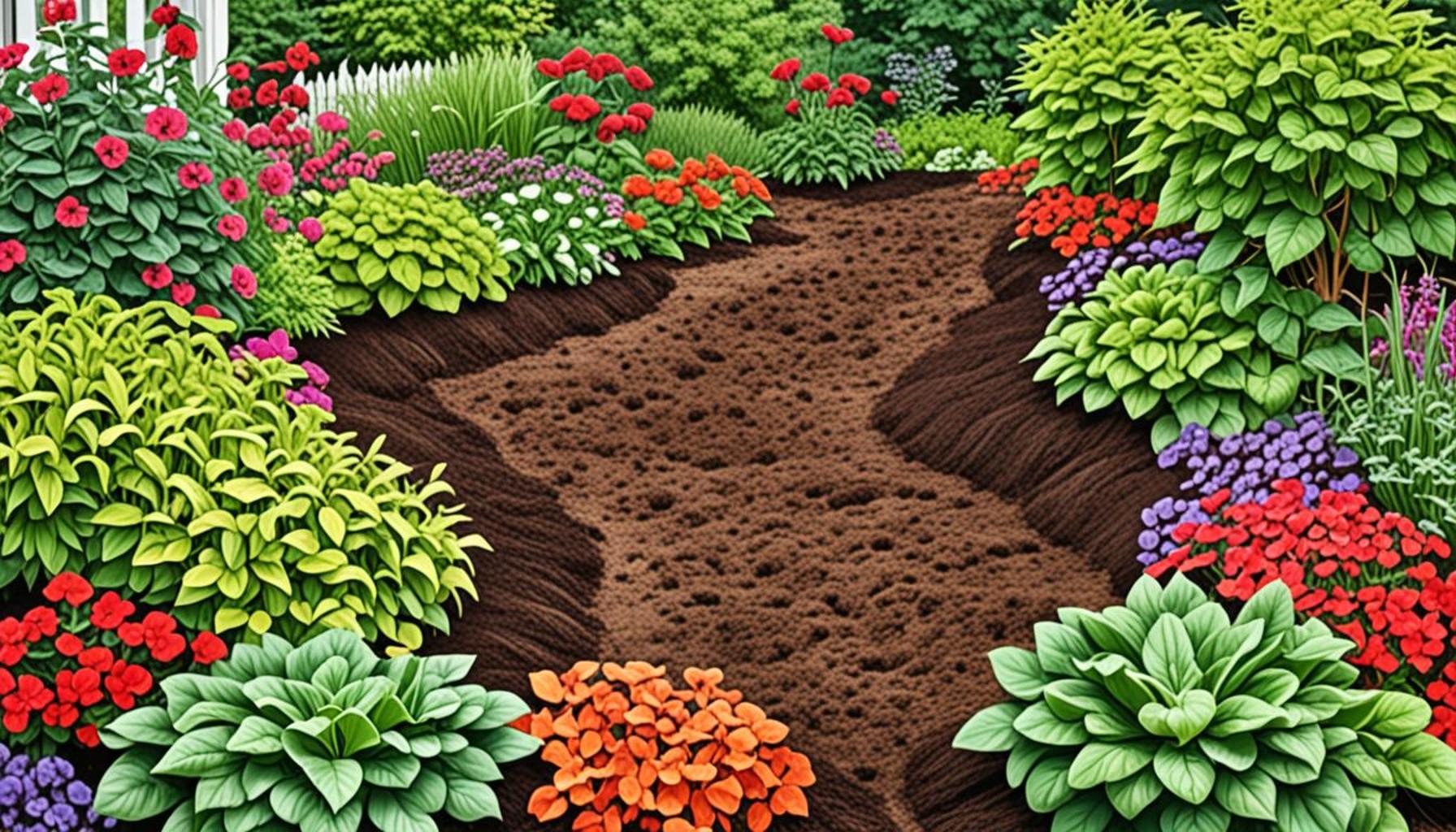
Organic mulching has quickly become a cornerstone practice in modern gardening, especially for those who prioritize sustainability and eco-friendliness. By utilizing natural materials to cover the soil around plants, gardeners can create thriving ecosystems in their backyards. The advantages of organic mulching are profound and serve as a powerful ally for anyone looking to enhance their garden’s health and productivity.
Weed Suppression: One of the primary benefits of organic mulching is its ability to suppress weeds efficiently. A thick layer—ideally two to four inches—of material such as pine needles, wood chips, or straw blocks sunlight from reaching weed seeds, ultimately preventing them from germinating. This can mean less weeding labor for gardeners, allowing them to focus more on nurturing their plants. Interestingly, studies have shown that by reducing weed growth by as much as 80%, mulching can significantly improve the health of your garden.
Moisture Retention: Another compelling advantage of organic mulch is its ability to retain soil moisture. In regions that experience dry spells, a layer of mulch can reduce evaporation, helping soil stay moist longer. For instance, if you are gardening in a state like Arizona, where temperatures can soar, this moisture retention can be a gamechanger, enabling plants to thrive with reduced watering frequency.
Temperature Regulation: Organic mulch serves as a natural insulator for soil, regulating its temperature throughout the seasons. In winter, it can help keep the ground warmer, providing a protective barrier that reduces the risk of frost damage to tender roots. Conversely, in summer, it keeps the soil cooler, which is particularly vital for young seedlings and plants sensitive to heat.
Soil Enrichment: As organic materials decompose, they enrich the soil with vital nutrients and improve its overall structure. This process not only enhances soil fertility but also attracts beneficial microorganisms and earthworms that play a critical role in maintaining a healthy garden ecosystem. For instance, using compost as mulch can significantly increase the availability of nitrogen, phosphorus, and potassium, key components for plant growth.
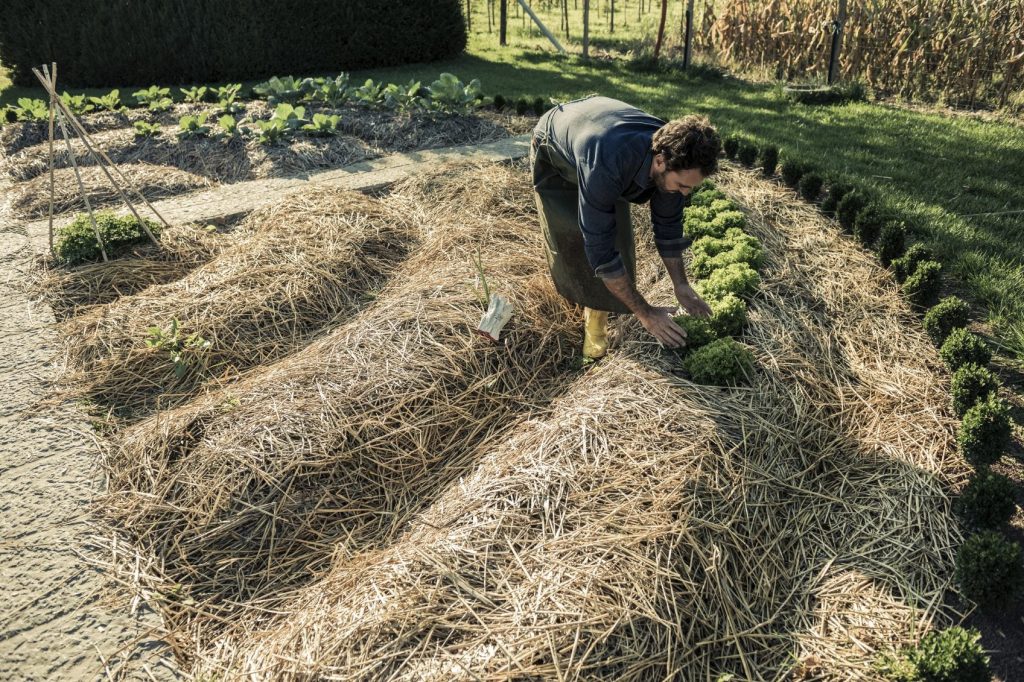
Implementing effective mulching techniques can transform any garden space, whether you are in a bustling urban area or nestled in the countryside. Popular organic mulching materials include shredded leaves from your yard, straw from local farms, and even grass clippings. Each of these options offers unique benefits, making it essential to choose the right material based on your specific needs and local climate conditions.
As you embark on your journey into organic mulching, understand that it’s more than just a gardening technique; it’s a commitment to cultivating a more sustainable future. By adopting these practices, you can foster a healthier garden ecosystem, ensuring that each plant has the opportunity to thrive. This article aims not only to elucidate the myriad benefits of organic mulching but also to inspire you to explore further, empowering you to make informed decisions for your garden.
DISCOVER MORE: Click here to learn about the importance of composting
Effective Organic Mulching Techniques for Thriving Gardens
Once you’ve recognized the immense benefits of mulching, implementing the right techniques becomes crucial to maximizing these advantages in your garden. The choice of organic materials, application methods, and maintenance routines can significantly influence the effectiveness of your mulching strategy.
Choosing the Right Material: The foundation of effective mulching lies in selecting the appropriate organic material. Here are some popular options, each boasting unique qualities that cater to various gardening needs:
- Wood Chips: Durable and slow to decompose, wood chips work well in ornamental gardens and as a long-lasting barrier to weeds.
- Pine Needles: Particularly beneficial for acid-loving plants like blueberries and azaleas, pine needles allow water to pass through easily while providing excellent weed suppression.
- Straw: Lightweight and cost-effective, straw is ideal for vegetable gardens, as it decomposes faster, adding nutrients to the soil.
- Grass Clippings: Fresh clippings can provide rich nitrogen when layered correctly but should be allowed to dry slightly to avoid matting that hinders water penetration.
- Shredded Leaves: A free and readily available resource, shredded leaves break down over time, improving soil structure and fertility.
When selecting your material, consider factors such as local climate, plant types, and budget. Remember that a combination of materials can also work wonders—using grass clippings for nitrogen-rich supplementation along with wood chips for longer-lasting coverage is a tried-and-true method.
Application Techniques: Proper application techniques will ensure that your mulch delivers the desired benefits effectively. When applying organic mulch, adhere to the following best practices:
- Thickness Matters: Aim for a layer that is two to four inches thick. This thickness provides optimal weed suppression and moisture retention without suffocating plant roots.
- Avoiding Plant Crowding: Keep mulch a few inches away from the base of plants and tree trunks to prevent rot and pest attraction.
- Timing is Key: Apply mulch at the beginning of the growing season to set the stage for beneficial soil temperature regulation and moisture retention.
Maintenance Considerations: As your garden grows, so too will your organic mulch layer. It’s essential to monitor its condition and adjust as necessary. Organic materials will decompose naturally over time, demanding periodic replenishment to maintain their benefits. Additionally, it’s advisable to check for any compacted areas that could inhibit water penetration and aeration.
By mastering these organic mulching techniques, you contribute to the overall health of your garden and promote sustainable practices. Healthy plants are not only a result of effective gardening strategies, but they also play an essential role in creating resilient ecosystems. As you journey deeper into the world of organic mulching, you’ll discover that each choice you make lays the foundation for a flourishing, vibrant garden.
| Advantages of Organic Mulching | Impact on Sustainable Gardens |
|---|---|
| Water Conservation | Reduces evaporation and maintains soil moisture, leading to less frequent watering. |
| Soil Fertility | Enhances soil nutrients as organic materials decompose, enriching the ecosystem. |
| Weed Suppression | Minimizes competition for nutrients and water, allowing plants to thrive. |
| Erosion Control | Protects soil structure by reducing runoff during rain and wind events. |
As the focus on sustainability in gardening continues to grow, organic mulching emerges as a pivotal technique that is gaining attention for its multitude of benefits. While traditional gardening may lead to environmental degradation, the implementation of organic mulching not only improves the aesthetic of gardens but also supports ecological health. The use of natural materials such as straw, wood chips, and grass clippings not only transforms your garden into a flourishing habitat but also creates a sustainable cycle that nurtures plant life.Organic mulching significantly influences water conservation, which is crucial in regions facing drought conditions. By reducing soil temperature and evaporation rates, gardens require less frequent watering, thus promoting responsible water usage. Coupled with its ability to enhance soil fertility as organic materials break down, mulching can boost the health of plants while supporting a thriving microbial community. Furthermore, organic mulching proves its worth through effective weed suppression, guarding plants against undesired competition that can stifle growth. This suppression not only saves gardeners time and labor but also encourages a more biodiverse ecosystem where all plants can flourish. Finally, the application of organic mulch offers a formidable defense against erosion, protecting the soil from being washed away while maintaining the structural integrity of garden beds.Exploring the various aspects of organic mulching allows gardeners to embrace practices that align with environmentally conscious efforts, establishing gardens as resilient sanctuaries of sustainable beauty.
DISCOVER MORE: Click here to learn about the impact of microorganisms in your garden</
Enhancing Your Garden’s Ecosystem with Organic Mulching
Organic mulching not only benefits individual plants but plays a pivotal role in promoting a healthier ecosystem within your garden. Understanding how mulching impacts soil biology and overall plant health can elevate your gardening experience and lead to sustainable practices integral to modern horticulture.
Improving Soil Health: One of the most remarkable benefits of organic mulching is its ability to enhance soil health. As organic materials decompose, they release nutrients back into the soil. This process supports microbial life, essential for robust plant growth. According to the USDA Natural Resources Conservation Service, healthy soil is rich in organic matter, which can improve its structure, increase nutrient-holding capacity, and enhance water retention. By periodically replenishing your mulch, you can sustain this cycle of nutrient release, fostering a dynamic ecosystem that benefits your plants.
Temperature Regulation: Mulch acts as a natural insulator for the soil. Depending on the season, it can keep the soil cooler in the heat of summer and warmer during chilly winter months, leading to a more temperate environment for plant roots. A study published in the journal Agricultural Sciences found that mulching can reduce soil temperature fluctuations, promoting more consistent growth and vitality in plants. This temperature stabilization is particularly beneficial in the United States, where regional climates can vary significantly. For example, homeowners in the southern states may find that mulching can shield their gardens from extreme summer heat, while gardeners in northern climates can use it to protect delicate perennials during winter frost.
Water Conservation: In a time when water conservation is critical, organic mulch stands out as an important ally. Mulching reduces evaporation from the soil surface, which can lead to significant water savings. According to research conducted by the U.S. Environmental Protection Agency, mulched gardens can maintain soil moisture levels up to 20% higher than non-mulched areas. For gardeners in arid regions or those facing drought conditions, this advantage can mean the difference between a flourishing garden and a struggling one. In practice, this means less reliance on irrigation, which contributes to the overall sustainability of gardening practices.
Pest and Disease Management: A lesser-known benefit of organic mulching is its role in pest and disease management. The physical barrier created by organic mulch can deter certain pests, making it more challenging for them to access seedlings and plant roots. Additionally, a well-mulched garden exhibits improved air circulation and a moisture balance, helping to prevent fungal diseases that thrive in damp conditions. For instance, using straw or wood chips can create an environment less hospitable to harmful insects and pathogens, reducing the need for chemical interventions.
Encouraging Beneficial Wildlife: Organic mulch can become a habitat for beneficial wildlife. Earthworms and various insects benefit from well-maintained mulch layers, aiding in soil aeration and nutrient cycling. A study from the University of Florida’s Institute of Food and Agricultural Sciences (IFAS) suggests that maintaining a healthy soil ecosystem with organic mulches encourages the population of beneficial organisms that contribute to pest control and plant health. Embracing organic mulching fosters a diverse garden ecosystem beyond the plants you nurture, inviting pollinators and other helpful creatures, which can lead to an increase in biodiversity.
As you delve deeper into the realm of organic mulching, you will recognize that its benefits extend beyond mere aesthetics or plant growth. By shifting your perspective to view your garden as a living ecosystem, you can make informed decisions on organic mulching practices that promote sustainability while ensuring the health of your plants. This holistic approach not only enhances the beauty of your garden but aligns with a broader commitment to ecological stewardship.
DISCOVER MORE: Click here for tips on adapting your herb garden to different climates
Conclusion: Embracing Organic Mulching for a Sustainable Future
In a world increasingly focused on sustainability, organic mulching presents a powerful tool for gardeners aiming to cultivate thriving ecosystems while protecting our environment. By enhancing soil health, regulating temperatures, conserving water, and managing pests, organic mulching not only benefits plant growth but also fosters a dynamic balance in the garden. With the alarming trends of climate change and dwindling water resources, adopting organic mulching techniques is not merely a gardening best practice; it is a necessary step towards ecological responsibility.
Furthermore, organic mulch contributes to biodiversity by attracting beneficial wildlife, creating habitats that promote a healthy ecosystem. As gardeners, the choices we make today can resonate through our communities, encouraging a collective movement toward sustainable gardening practices that can serve future generations. By choosing materials rich in organic matter, regularly replenishing mulch layers, and observing how these methods impact your garden, you can develop a deeper relationship with your outdoor space.
As you cultivate your own sustainable garden, consider how implementing organic mulching can enhance not only the beauty and productivity of your plants but also their resilience in the face of environmental challenges. With the right techniques in place, you’ll likely discover that your garden can thrive, all while supporting the broader ecological landscape. Dive into this rewarding practice, and let your garden flourish as a vibrant testament to the harmony between nature and nurturing.