Spiral Vegetable Gardening: An Organic and Spatially Efficient Approach
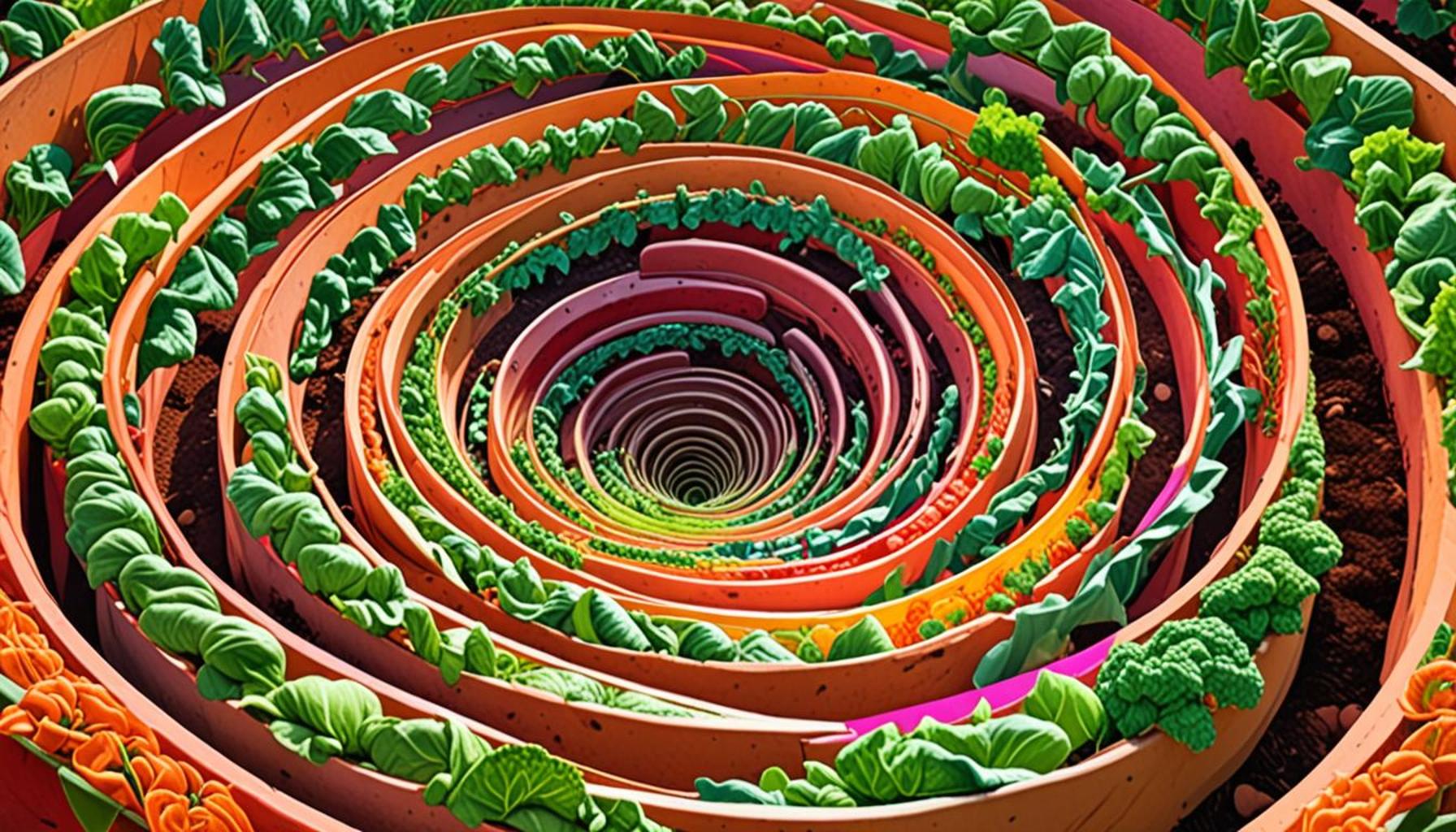
Discover the Art of Spiral Vegetable Gardening
Have you ever dreamed of having a thriving garden in a limited space? Spiral vegetable gardening offers a unique solution that maximizes your growing area while promoting organic practices. This innovative technique not only saves space but also enhances biodiversity, leading to healthier plants.
Spiral gardens are often considered a creative and efficient approach to gardening, especially in urban settings where space is at a premium. The concept is straightforward yet ingenious. By creating a spiral structure that can reach upwards, gardeners can cultivate a variety of plants in a circular arrangement that encourages optimal growth conditions.
Here are some compelling features of spiral gardening:
- Space Efficiency: A spiral garden utilizes vertical space, allowing you to grow various plants in a small footprint. For example, a well-designed spiral can fit comfortably in the corner of a backyard or a balcony, making it an ideal solution for city dwellers who yearn for greenery.
- Microclimates: The spiral shape creates different zones that accommodate plants with varying sunlight and moisture needs. For instance, the top of the spiral receives more sunlight and is suitable for sun-loving herbs like basil, while the inner edge can be ideal for moisture-loving plants like mint.
- Organic Practices: This gardening method encourages composting and natural pest management, supporting sustainable gardening. By layering organic materials within the spiral, you not only nourish the soil but also attract beneficial insects that help control pests. This practice aligns well with the growing trend towards sustainability and organic farming in the United States.
Imagine a colorful display of herbs, vegetables, and flowers cohabiting in a compact structure, providing both beauty and functionality. You might envision planting vibrant bell peppers, fragrant rosemary, and cheerful marigolds all thriving together in harmony. With the potential for luscious yields, spiral vegetable gardens are perfect for urban settings or backyard retreats where every square foot counts.
Are you ready to transform your gardening approach? Join us as we explore the principles, benefits, and practical steps to cultivate your own spiral garden. Uncover the secrets to optimizing your gardening space while embracing organic methods that are kinder to the planet. The art of spiral vegetable gardening not only enriches your culinary experiences but also deepens your connection with nature, fostering a sense of accomplishment as you watch your garden flourish.
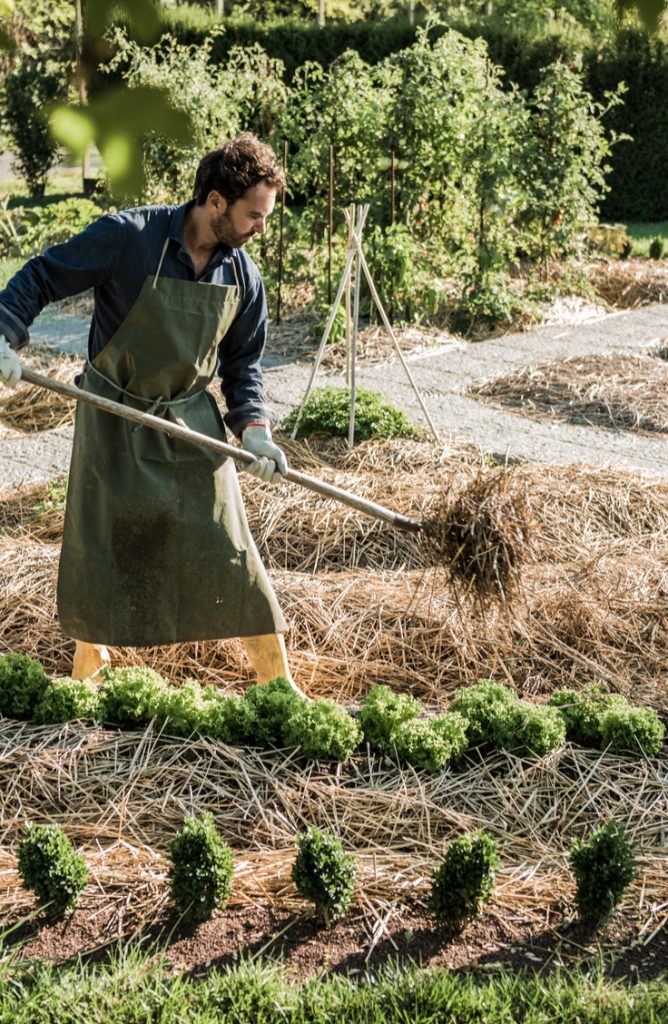
Furthermore, it represents an excellent way to engage families and communities in sustainable practices. Community gardening initiatives across the United States often adopt techniques like spiral gardening to teach children and adults alike about the importance of food sourcing and environmental stewardship.
Embrace the challenge and joy of spiral vegetable gardening, and discover how you can innovate your personal green space effectively. This unique gardening style not only feeds individuals but also fosters a greater connection to our natural world, making it a journey worth exploring.
DISCOVER MORE: Click here to learn how composting can boost your garden’s soil
Understanding the Spiral Structure
The essence of spiral vegetable gardening lies in the design of the spiral itself. Typically, a spiral garden is constructed with curving walls made of stones, bricks, or even untreated wood, allowing for a raised bed that spirals upwards. This vertical structure optimizes space by utilizing both horizontal and vertical dimensions, making it ideal for smaller properties. Each layer of the spiral offers varied conditions, which can be tailored to specific plants, thereby enhancing both yield and overall health.
When planning your spiral garden, consider the following key elements:
- Height Variation: The spiral should gradually rise, reaching about 3 to 4 feet at its apex. This height allows you to cultivate plants with different light and moisture requirements. Additionally, higher areas will naturally drain quicker, making them more suitable for drought-resistant plants.
- Material Selection: The construction material is crucial not only for aesthetics but also for practicality. Using natural stones or untreated wood promotes biodiversity by providing habitat for beneficial organisms while contributing to the overall organic approach of your garden.
- Access and Maintenance: Designing the spiral with easy access in mind will ensure that you can maintain your garden without hassle. Consider pathways or stepping stones that allow you to navigate the spiral without compacting the soil around your plants.
- Interactive Plant Choices: Consider incorporating companion planting techniques. Plants that flourish together can enhance one another’s growth and deter pests. For instance, planting tomatoes near basil can not only elevate flavors but also repel spider mites.
One of the standout advantages of a spiral garden is its ability to create beneficial microclimates. In a typical garden, plants compete for sunlight and nutrients, often leading to suboptimal growth conditions. However, the layered approach of a spiral garden allows you to strategically place plants based on their individual needs. For example, the outer parts of the spiral receive ample sunlight – perfect for heat-loving vegetables like peppers and eggplants. In contrast, the inner areas, which retain moisture better, are ideal for leafy greens such as lettuce and kale.
Moreover, the design of spiral vegetable gardens creates a visually stunning centerpiece that naturally attracts pollinators. By integrating flowers like sunflowers and nasturtiums into your spiral, you can promote a healthy ecosystem, contributing to the organic maintenance of your garden. With the growing awareness of the ecological impact of traditional gardening practices, adopting such an innovative approach can be particularly impactful.
As you embark on your spiral gardening journey, you are not only maximizing your space but also embracing a method that supports a sustainable approach to food production. Whether you live in an apartment or have a small backyard, spiral vegetable gardening represents an exciting opportunity to reconnect with nature and engage in organic practices that benefit both you and the planet.
| Advantages | Description |
|---|---|
| Space Efficiency | Utilizes vertical space, allowing for more plants in smaller areas. |
| Diverse Planting | Permits a variety of plants to coexist, enhancing biodiversity. |
| Organic Practices | Encourages sustainable gardening techniques, minimizing chemical use. |
| Ease of Maintenance | Facilitates easier access for watering and harvesting. |
| Aesthetic Appeal | Creates an attractive focal point in gardens, enhancing visual interest. |
The spiral vegetable garden is not only practical, but it also brings a myriad of benefits, ensuring an engaging experience for both novice and expert gardeners alike. By maximizing space and minimizing resource use, this method empowers gardeners to grow fresh produce, thus promoting an eco-friendly lifestyle. This organic approach fosters a sustainable relationship with the environment and encourages the growth of diverse plant species, which can improve soil health.Moreover, the flexible design of a spiral garden allows for easy access to plants, making maintenance straightforward and enjoyable. Gardners can save time and effort while producing an array of vegetables and herbs. If you’re looking to add both beauty and functionality to your gardening space, consider adopting the art of spiral vegetable gardening. Discover more about how you can integrate this efficient solution into your lifestyle.
DIVE DEEPER: Click here to learn how to craft your own herbal blends</a
Benefits of Spiral Vegetable Gardening
Spiral vegetable gardening offers a host of benefits that extend beyond just maximizing space. This unique approach to home gardening promotes ecological balance, encourages biodiversity, and can even enhance the physical and mental health of those who engage in the process.
Water Efficiency: One of the remarkable features of spiral gardens is their ability to conserve water. The spiral structure allows for a natural gradient, which helps to catch rainwater and reduce evaporation. This means that plants at the bottom of the spiral can benefit from retained moisture, making the garden more water-efficient overall. Particularly in arid regions, adopting a spiral garden can significantly lower the amount of water needed for successful plant growth.
Nutrient-Rich Soil: The vertical design creates opportunities for layers of rich organic matter to be incorporated into the soil. As you construct your spiral, take the opportunity to add compost, aged manure, and other organic materials. The ongoing breakdown of these materials will continuously enrich your soil, promoting healthy plant growth. This self-sustaining aspect of spiral gardening means that you can spend less time and money on chemical fertilizers while enjoying bountiful harvests.
Increased Biodiversity: Spiral vegetable gardens can serve as a sanctuary for a variety of species. The diverse planting options (both edible and ornamental) encourage beneficial insects, birds, and other wildlife to visit and thrive within your garden. Consider adding aromatic herbs such as lavender or rosemary that not only enhance your cooking but can attract pollinators vital for the production of fruits and vegetables. Research indicates that gardens with higher species diversity often yield higher overall productivity, making your spiral garden not just an aesthetic addition to your yard but a thriving ecosystem.
Education and Sustainability: Spiral gardening is also an exceptional educational tool for families and communities. Teaching children the principles of organic gardening—such as composting, crop rotation, and the importance of pollinators—can foster a deeper appreciation for sustainable practices. As individuals engage with their gardens, they become more aware of environmental issues and the impact of conventional farming methods. Engaging in organic practices aligned with spiral gardening can inspire a new generation of gardeners committed to sustainability.
Year-Round Harvesting: With a well-planned spiral garden, you can achieve staggered planting schedules that allow for continuous harvests throughout different seasons. By planting a combination of cool-season crops such as kale and hot-season vegetables like squash, you create a rotation that ensures the garden remains productive year-round. Particularly in the milder climates prevalent in many regions of the United States, controlling the microclimates of your spiral garden can facilitate the growth of various crops, making your plot productive across multiple seasons.
Importantly, each of these benefits contributes to the overall appeal of spiral vegetable gardening. As garden enthusiasts continue to seek sustainable and space-efficient solutions, spiral gardens exemplify a holistic approach to plant cultivation that celebrates nature while producing healthy, organic food.
DIVE DEEPER: Click here to discover more tips
Conclusion
In summary, spiral vegetable gardening presents an innovative and highly efficient approach for both novice and experienced gardeners. By leveraging the unique structure of a spiral, gardeners can enhance water efficiency, create nutrient-rich soil, and foster biodiversity while minimizing environmental impact. The interplay between the different plant species not only leads to a vibrant ecological system but also supports the vital insects and wildlife that contribute to a flourishing garden.
Furthermore, this technique serves as an exceptional platform for education and sustainability, particularly for families eager to engage in hands-on learning about organic gardening principles. From teaching children the significance of composting to an understanding of seasonal planting, spiral gardening cultivates a sense of responsibility toward the environment. Embracing such practices can inspire a new generation of mindful gardeners committed to nurturing our planet.
Lastly, the prospect of year-round harvesting ensures that your garden remains productive, catering to diverse culinary needs throughout the seasons. The adaptability of spiral vegetable gardening aligns seamlessly with contemporary desires for sustainable, home-grown food solutions. As interest in organic practices continues to grow across the United States, adopting this spatially efficient method opens doors to both personal wellness and ecological stewardship. If you haven’t yet explored the benefits of spiral vegetable gardening, now is the perfect time to start planning and creating your own green paradise.