
Controlling Pests Naturally: Organic Strategies for Home Gardens

Discover Organic Solutions for Pests
Pest control in home gardens is often a critical concern for gardeners across the United States. Many seek effective ways to protect their plants without resorting to harmful chemicals. Fortunately, there are a variety of organic strategies that offer safe and sustainable solutions. These methods not only contribute to the health and vitality of your garden but also promote environmental stewardship, making them a wise choice for conscientious gardeners.
Utilizing natural pest control methods safeguards your plants while enhancing the health of the entire ecosystem. By employing these strategies, you create a balanced environment where beneficial insects can thrive alongside your crops. Here are some compelling approaches to consider:
- Companion Planting: This technique involves planting certain combinations of crops to naturally repel pests or attract beneficial insects. For example, planting marigolds alongside tomatoes can deter aphids and nematodes, while attracting pollinators. Similarly, basil is known to enhance the growth of tomatoes and can ward off fruit flies and other pests.
- Homemade Sprays: Many gardeners have found success in creating their own pest deterrent sprays. A mix of garlic, soap, and water can be an effective barrier against a variety of insects. For instance, garlic spray harnesses the pungent aroma to deter aphids and spider mites. Similarly, soap sprays can suffocate soft-bodied pests like mealybugs and whiteflies, breaking their life cycle without hurting the surrounding flora.
- Natural Predators: Introducing beneficial insects such as ladybugs and lacewings can significantly reduce pest populations. Ladybugs are well-known for their appetite for aphids, consuming thousands in their lifetime. By encouraging these allies into your garden—perhaps by planting nectar-rich flowers or providing habitat for them—you can establish a natural pest control system that requires minimal intervention.
By applying these organic pest control methods, you can transform your garden into a thriving sanctuary where plants flourish and health abounds. It is not solely about keeping pests at bay; it is about fostering a sustainable environment that supports biodiversity and ecological balance. Moreover, many of these methods are accessible and inexpensive, making them practical options for any gardener.
In this article, we will delve deeper into these strategies, providing you with a thorough understanding of how to implement them effectively in your own home garden. As you explore these organic solutions, you will uncover the extraordinary potential of nature to manage pests, ensuring your garden thrives with resilience and vibrant growth.
Dive Deeper: Click here to discover the best indoor plants for a healthier home
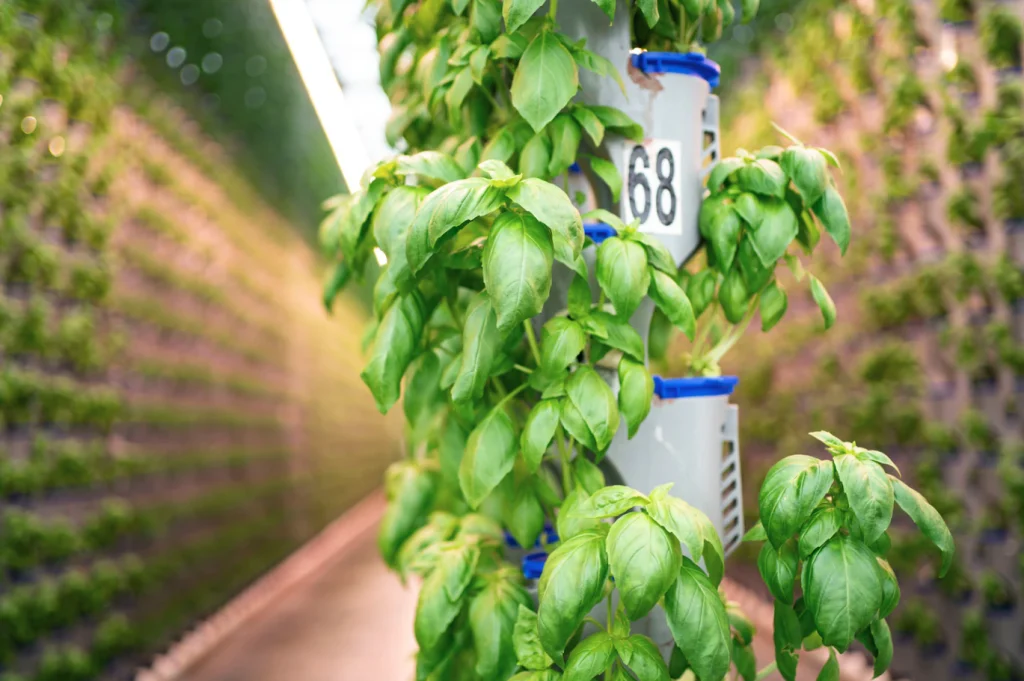
Empower Your Garden with Companion Planting
One of the most effective organic strategies for managing pests involves the ancient technique of companion planting. This method not only improves plant health but also fosters natural pest deterrents and encourages beneficial insects to make your garden their home. By carefully selecting companion plants, you can take advantage of the symbiotic relationships found in nature. For instance, pairing herbs like basil and cilantro with vegetables such as tomatoes can boost their growth while repelling harmful pests.
Companion planting operates on the principle that certain plants can promote the health and growth of their neighbors while simultaneously deterring specific pests. Here are some popular companion plant pairings that can enhance your pest management efforts:
- Tomatoes and Basil: This duo not only flavors your summer dishes but also works together as a pest deterrent. While basil repels hornworms and flies, tomatoes provide basil with the necessary shade it craves.
- Marigolds and Cucumbers: Planting marigolds near cucumbers can help protect them from various pests, including beetles and nematodes. The vibrant marigolds also attract pollinators, promoting a robust garden ecosystem.
- Cabbage and Dill: Dill serves as a magnet for beneficial predatory insects like ladybugs, which keep cabbage worms at bay. In turn, cabbage benefits from the shade provided by dill’s taller structure.
Implementing these companion planting strategies can lead to healthier plants that are less susceptible to infestations. Beyond just protection, this approach enhances biodiversity in your garden, creating a thriving ecosystem where plants complement one another.
Crafting Your Own Homemade Sprays
For gardeners interested in a hands-on approach, homemade sprays offer an accessible method for controlling pest populations. Simple ingredients found in your kitchen can be combined to create effective pest deterrents without the need for synthetic chemicals. Not only are these recipes safe for the environment, but they also promote a healthier growing environment for your plants.
One popular recipe involves combining minced garlic, a few drops of liquid soap, and water. This mixture can be sprayed on the affected plants to ward off a range of harmful insects, including aphids and spider mites. The strong aroma of garlic masks the scent of the plants, making them less attractive to pests. Similarly, a soap spray can effectively suffocate soft-bodied insects like mealybugs and whiteflies.
When crafting your sprays, consider these tips to enhance their effectiveness:
- Timing: Apply sprays in the early morning or late evening to minimize potential harm to beneficial insects and avoid heat stress on your plants.
- Frequency: Reapply every 5 to 7 days, or after rain, to maintain optimal protection for your plants.
- Test First: Always conduct a patch test on a small part of the plant before widespread application to check for any adverse reactions.
By embracing these organic pest control methods such as companion planting and homemade sprays, you are taking significant steps towards fostering a sustainable home garden. These techniques not only help in managing pest populations but also enrich the overall health of your plants, paving the way for a flourishing garden filled with vibrant life.
| Natural Solutions | Advantages |
|---|---|
| Companion Planting | Encourages beneficial insects and minimizes pest attraction. |
| Neem Oil | A natural pesticide that disrupts insect life cycles without harming plants. |
| Diatomaceous Earth | An organic solution that helps manage soft-bodied insects effectively. |
| Garlic Spray | Repels various pests while enhancing the overall garden ecosystem. |
Using natural remedies not only protects your garden but also promotes a healthy ecosystem. In the realm of organic gardening, understanding the interaction between various plants and pests is crucial. For instance, companion planting involves pairing specific plants to repel pests and attract beneficial insects, fostering a balanced environment. Products like neem oil serve as effective pest deterrents by interfering with the reproduction and feeding of pests without harming beneficial insects. Moreover, substances such as diatomaceous earth provide a mechanical barrier against pests, proving that organic methods are viable alternatives to chemical pesticides. Exploring options like garlic spray reveals fascinating insights into how simple household ingredients can play a significant role in pest control. Using these strategies not only supports plant health but contributes to a sustainable gardening practice, inviting you to delve deeper into the world of organic gardening solutions.
DISCOVER MORE: Click here to learn how to safeguard your garden naturally
The Power of Beneficial Insects
In the realm of organic pest control, introducing beneficial insects into your garden is like hiring a team of expert defenders against pesky invaders. These allies help maintain a balanced ecosystem, effectively keeping pest populations in check without the need for chemical interventions. By attracting or introducing these insects, you can significantly enhance your garden’s health and resilience.
Among the most recognized beneficial insects are ladybugs, lacewings, and parasitic wasps. Ladybugs are voracious consumers of aphids, one of the primary nuisances in many gardens. A single ladybug can eat up to 5,000 aphids in its lifetime, making them invaluable protectors. Lacewings, often referred to as “aphid lions”, are another ally, with larvae that devour countless aphids and other small insects.
Parasitic wasps, while less visible, are also highly effective. These tiny wasps lay their eggs inside pests like caterpillars and aphids, effectively controlling their populations from within. For example, the Trichogramma wasp targets the eggs of many harmful moths, preventing future infestations before they even start.
To attract these beneficial insects to your garden, consider implementing the following strategies:
- Provide Diverse Planting: A variety of flowers, herbs, and plants can attract beneficial insects. Plants like dill, fennel, and yarrow provide food and habitat for ladybugs and lacewings.
- Avoid Pesticides: The use of chemical pesticides not only harms targeted pests but also adversely affects beneficial insect populations. Embrace organic solutions to foster a friendly environment for these allies.
- Create Habitat: Incorporate elements like native plants, flowering ground cover, and small water sources to provide shelter and sustenance for beneficial insects throughout the growing season.
Natural Barriers and Traps
Another effective route in natural pest control includes the use of physical barriers and traps. These methods can minimize pest damage without altering your garden’s ecosystem significantly. For example, using row covers can shield young seedlings from pests while still allowing sunlight and rain to penetrate.
Using shiny objects, such as aluminum foil or reflective tape, can also be surprisingly effective in deterring insects like moths and certain beetles. The reflected light confuses and repels these pests, keeping them away from your plants.
Additonally, traps can be useful in monitoring and controlling pests. Sticky traps can catch flying pests like aphids and whiteflies, while homemade traps using attractants like vinegar can draw in and trap fruit flies. A simple yet effective trap involves filling a jar with soapy water and placing it among your plants; the soap reduces the surface tension, preventing pests from escaping once they land. This method not only reduces pest populations but also provides important data for analyzing pest populations in your garden.
Integrating physical barriers and traps into your pest management plan further enhances the resilience of your garden against infestations. By employing a multifaceted approach that includes beneficial insects, barriers, and traps, your home garden is poised for success, thriving naturally while keeping unwanted pests at bay.
DISCOVER MORE: Click here for essential tips on starting your herb garden
Embracing Natural Pest Control
In conclusion, cultivating a thriving home garden requires a balanced approach to pest management, one that embraces the principles of organic gardening. By harnessing the power of beneficial insects, implementing natural barriers, and maintaining traps, gardeners can create a formidable defense against pest invasions without resorting to harmful chemicals. These strategies not only promote a healthier ecosystem but also ensure that your garden produces vibrant, chemical-free fruits and vegetables.
The integration of diverse plantings provides essential habitats and nutrition for these natural allies while simultaneously deterring pests. When you afford beneficial insects the opportunity to flourish, they repay you by regulating pest populations more effectively than any chemical spray ever could. Remember too, that simple traps and physical barriers can serve as first lines of defense, minimizing crop loss while maintaining your garden’s integrity.
As you explore these organic strategies, consider recording your observations and experiences—this can provide insightful data for fine-tuning your pest management practices. Furthermore, as interest in sustainable gardening continues to grow across the United States, tapping into community resources and local extension programs can offer further support and inspiration.
By choosing to embrace nature as your ally in pest control, not only will your garden flourish, but you’ll also contribute to a broader movement of environmental stewardship. The methods discussed here unite the joys of gardening with the principles of sustainability, ensuring that your home garden remains a sanctuary for both plants and the creatures that support them.