How to Choose the Perfect Pot for Your Indoor Plants: Styles and Functionality
Choosing the Perfect Pot for Your Indoor Oasis
Indoor plants can transform a space, bringing life and color to any room. However, selecting the appropriate pot is equally crucial, as it impacts not just the aesthetics but also the overall health of the plants. With the multitude of options available, making the right choice can feel overwhelming. Understanding the intricacies behind each decision will help you cultivate an indoor garden that thrives.
- Materials Matter: Consider options like ceramic, plastic, or metal. Each of these materials has distinct characteristics that affect drainage, insulation, and overall plant health. For instance, ceramic pots are porous, which allows for better air circulation but may also require more frequent watering. On the other hand, plastic pots are lightweight and retain moisture well, making them great for beginners. Metal pots can add a sleek, modern touch but may heat up quickly, potentially harming sensitive roots. Knowing these details can help guide your choice.
- Size and Shape: Ensure the pot provides ample room for growth. A general rule of thumb is to select a pot that is 1-2 inches wider in diameter than the previous pot. Additionally, consider the shape of the pot; round shapes are often easier to fit into spaces, while rectangular or uniquely shaped pots can create dramatic focal points, enhancing your overall décor.
- Drainage Features: Always opt for pots with holes or innovative self-watering mechanisms. Proper drainage is vital, as excess water can lead to root rot — a common issue among indoor gardeners. Some pots even come with built-in indicators that show when the soil is dry enough for watering, taking the guesswork out of care.
Understanding the functionality of a pot is essential. A pot isn’t just a decorative container; it’s a tool that supports a plant’s growth and well-being. Selecting pots with appropriate drainage, size, and materials contributes immensely to a plant’s ability to thrive indoors. For example, an overwatered peace lily in a pot without drainage can quickly develop issues, while a well-drained pot can keep it flourishing.
As you explore various styles available — from minimalist, modern designs to vibrant, eclectic pieces — remember that choosing the right pot not only reflects your personal style but also fosters a nurturing environment for your plants. Bright macramé hangers can bring a bohemian vibe, while sleek, matte black pots can complement a contemporary aesthetic.
As you dive deeper into the world of indoor gardening, consider these factors with care. By selecting the right pot, you’re not only enhancing your living space but also setting the foundation for a healthy, thriving indoor ecosystem. In the following sections, we will further explore the myriad of styles and functionalities, guiding you in cultivating your indoor paradise effectively.
LEARN MORE: Click here to get started with composting!
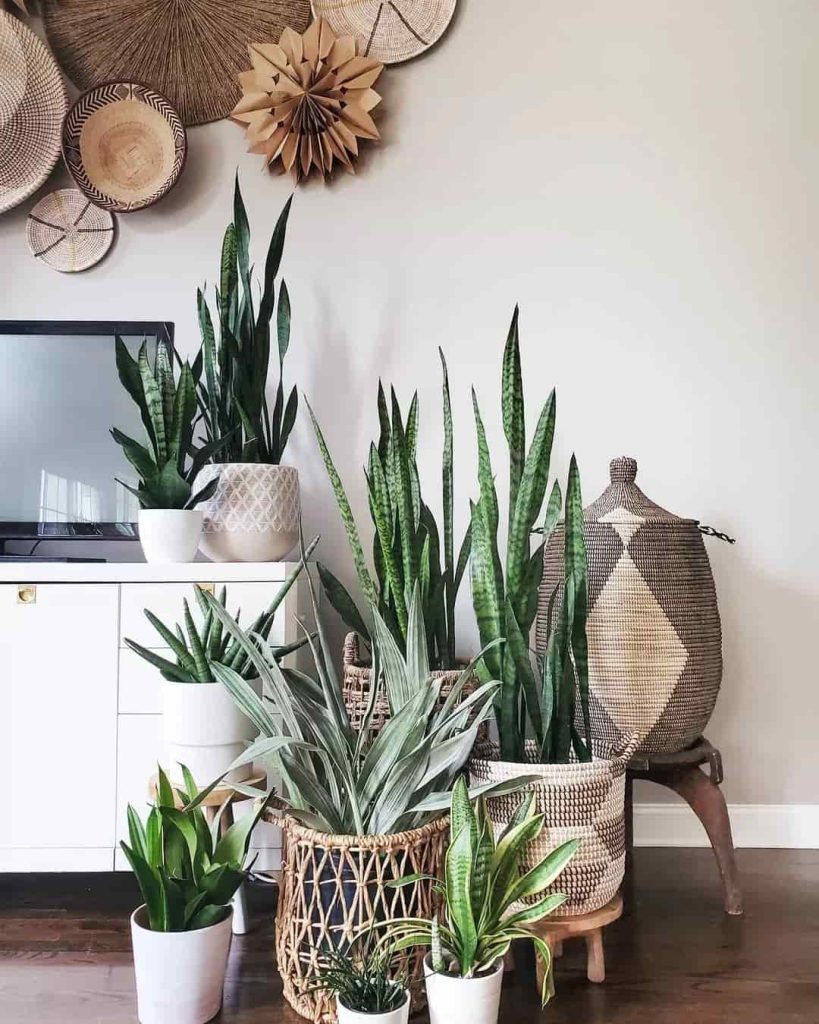
Understanding Pot Styles and Their Impact on Indoor Plants
When embarking on the journey of indoor gardening, the variety of pot styles available can be both exciting and bewildering. Each style not only contributes to the aesthetic appeal of your space but also plays a significant role in the functionality and health of your plants. As you navigate through the options, consider how different styles correspond to the needs of your plants and your interior décor.
- Traditional Terra Cotta: Known for its classic earthy appearance, terra cotta pots are an excellent choice for many indoor plants. Their porous material allows airflow and water evaporation, which prevents overwatering — a common pitfall for many novice indoor gardeners. However, their ability to dry out quickly also means that they require more regular watering, making them ideal for plants that prefer well-drained soil.
- Glazed Ceramic: Glazed pots are not only visually striking but also offer durability. The glossy finish often comes in a rainbow of colors and patterns, allowing you to coordinate with any interior style. Unlike unglazed terra cotta, glazed ceramic pots retain moisture longer, which can be advantageous for plants that require consistent moisture levels.
- Modern Concrete: For those leaning towards industrial aesthetics, concrete pots add a bold touch to any modern décor. These pots tend to be quite heavy, offering stability for larger plants. However, as they are less porous, they may need to be paired with appropriate drainage layers to prevent root rot, especially in denser soil mixes.
- Eco-friendly Biodegradable Pots: As sustainability becomes increasingly important, biodegradable pots made from coir or recycled paper provide an environmentally friendly option. These pots break down over time, enriching the soil while providing adequate drainage and aeration for your plants. They are particularly well-suited for seedlings and young plants.
In addition to aesthetics, the functionality of pots is paramount. Choosing the right style ensures that your plants receive the proper care they need for optimal growth. For instance, if you’re nurturing tropical plants that thrive in humid environments, selecting pots that retain moisture, such as glazed ceramics, can create a suitable microclimate. Conversely, if you are tending to succulents or cacti, opting for a traditional terra cotta pot with good drainage can help prevent root rot, thereby prolonging their life.
Moreover, the design of the pot can influence its interaction with sunlight and temperature. For instance, light-colored materials can reflect heat and light, making them suitable for plants that prefer bright conditions without the risk of overheating. Conversely, dark pots may absorb heat, which could be a double-edged sword depending on the plant variety. Therefore, understanding your plant’s specific environmental requirements is essential when selecting pot styles.
By acknowledging the various styles of pots and how they correspond with individual plant needs, you can ensure that your indoor oasis not only thrives but also harmonizes beautifully with your home. The next step will be to delve deeper into the specifics of pot functionality, focusing on proper drainage solutions and innovative designs that can enhance your gardening experience.
To choose the perfect pot for your indoor plants, it’s crucial to consider both style and functionality. Each plant has its unique needs, and the right pot can significantly enhance its growth and overall health. Below, we delve into the essential aspects you should keep in mind when selecting a pot.Start by understanding the material of the pot. Common options include terracotta, ceramic, plastic, and metal. Terracotta pots are porous, allowing air and water to move through the clay, which helps prevent root rot while providing a rustic look. Ceramic pots, on the other hand, are available in various colors and designs, adding an aesthetic role while retaining moisture longer than terracotta. Plastic pots are lightweight and versatile, making them easy to move, while metals can bring a modern touch but may not be suitable for all plants due to heat retention.Size is another critical factor. The pot should be appropriately sized for your plant; a pot that is too small can restrict root growth and lead to health issues, whereas an oversized pot can result in excess moisture retention. A good rule of thumb is to choose a pot that is 1-2 inches wider in diameter than the plant’s root ball. Additionally, ensure that the pot has adequate drainage holes at the bottom. Proper drainage prevents water accumulation, which can suffocate the roots.When it comes to style, consider what complements your home decor. There are numerous styles ranging from minimalist modern to vintage rustic. Choose a style that reflects your personality and aesthetics while still serving the plant’s needs. You can create an attractive indoor garden by mixing and matching different styles, but make sure they share a common theme or color palette for cohesion.Another important aspect to consider is the functionality of the pot. For example, self-watering pots can be a great choice for busy individuals or those new to plant care, as they help regulate moisture levels. Alternatively, hanging pots are an excellent option for smaller spaces and can add a dynamic layer to your indoor environment.Lastly, think about the environment in which your plants will thrive. Factors such as sunlight, humidity, and temperature can influence your pot choice. Some materials can absorb heat, which can be damaging in high temperatures, while others may not retain enough moisture in dry conditions.Choosing the perfect pot involves being mindful of your plant’s needs and your personal style. By focusing on material, size, style, and functionality, you can ensure that your indoor plants not only flourish but also enhance the beauty of your living space.
DISCOVER MORE: Click here to dive into rainwater harvesting
Exploring Pot Functionality: Drainage, Size, and Design Considerations
Beyond styles, the functionality of a pot plays a crucial role in the well-being of your indoor plants. When choosing the perfect pot, it’s essential to focus on aspects such as drainage, size, and the overall design of the pot. These factors contribute significantly to providing an optimal growing environment for your plants.
Importance of Proper Drainage
One of the key elements that can impact plant health is proper drainage. Without adequate drainage, excess water can lead to root rot, stunted growth, and other health issues. For this reason, select pots that either have built-in drainage holes or are designed for effective water management. Many modern growers benefit from pots with additional drainage features — like raised bottoms or built-in saucers — that help avoid stagnant water at the roots.
If you fall in love with a pot that lacks drainage holes, you can use it as a decorative outer container for a standard pot with drainage. This two-pot system provides the aesthetic you desire while ensuring your plant stays healthy. Remember to check drainage regularly and even consider using materials like gravel or rocks at the bottom of your decorative pot to further encourage water movement.
Finding the Right Size
Size does indeed matter when it comes to selecting the right pot for your plants. An appropriately sized pot promotes healthy root growth and ensures that your plant has enough room to thrive. On the other hand, a pot that is either too small or too large can hinder plant development.
- Small Pots: Ideal for young plants or seedlings, small pots help avoid overwatering while offering just enough space for root development. They encourage a more manageable growing environment and can easily be moved around.
- Medium Pots: For most indoor plants, medium-sized pots provide the best balance, accommodating the root system while allowing some room for growth. These are often the best option for plants that have been transplanted from smaller pots.
- Large Pots: Perfect for mature plants, large pots provide abundant space for root systems and often retain moisture more effectively. However, ensure the pot offers good airflow to prevent root rot from excess moisture.
Innovative Designs: Self-Watering and Smart Pots
In today’s market, technology has led to the emergence of self-watering pots and smart pots that cater to busy urban gardeners or those prone to over/under-watering. Self-watering pots come with reservoirs that supply moisture to the plant as needed, allowing for less frequent maintenance while testing the understanding of your plant’s hydration needs. Smart pots go a step further, integrating sensors that monitor moisture levels, light exposure, and even temperature, sending notifications directly to your smartphone.
Both of these innovative pot options help alleviate some common gardening stresses by simplifying the monitoring process and making plant care more accessible to the novice gardener. These pots can be particularly useful for plants with unique watering requirements or for those who want to ensure their indoor garden thrives even during busy weeks.
As you choose the perfect pot for your indoor plants, keep these functional aspects in mind. The right pot not only enhances your plant’s health but also contributes to the overall beauty of your indoor space. Taking the time to consider drainage, size, and pot design is a fundamental step on the path to a vibrant and flourishing indoor garden.
LEARN MORE: Click here for eco-friendly pest control solutions
Conclusion: Cultivating Success with the Right Pot
In the journey of nurturing your indoor plants, choosing the perfect pot is a pivotal decision that encompasses both aesthetic appeal and practical functionality. As we have seen, critical elements such as drainage, size, and innovative designs play a significant role in ensuring your plants flourish in their environment. The importance of proper drainage cannot be overstated, as water retention is a common culprit in plant health issues. Therefore, selecting pots with effective drainage features is essential for maintaining vibrant, healthy plants.
Moreover, understanding the right pot size will support your plants’ root systems, promoting optimal growth. By selecting from small, medium, or large sizes tailored to your specific plants, you create a nurturing space where their energy can thrive. As part of modern gardening, embracing self-watering and smart pots adds another layer of convenience for those balancing busy lifestyles while seeking to elevate their indoor gardens.
In conclusion, the perfect pot for your indoor plants is not just about looks; it’s about creating a harmonious balance between style and functionality. By taking the time to explore the various options available, you offer your plants the ideal conditions for thriving growth and vibrant beauty. Engaging in informed choices will not only enhance your home decor but also cultivate a deeper connection to the plants you care for. So, delve into the world of pots with intention and creativity, and watch your indoor garden flourish like never before.