Herbs for Beginners: The Complete Guide to Growing and Caring for Herbs at Home
Welcome to the World of Homegrown Herbs
Imagine stepping into your kitchen and grabbing a handful of fresh herbs, harvested just minutes ago from your own garden. Herbs are not only a culinary delight, but they also offer a therapeutic adventure for beginners looking to cultivate their green thumbs. The act of nurturing a living plant not only enhances your meals but also promotes mindfulness and relaxation—a perfect antidote to the hectic pace of modern life.
Growing herbs at home can transform your cooking and create a relaxing hobby. This guide provides you with all the essential tips and tricks to make your herb garden a success. Here’s what you can expect:
- Easy-to-Grow Herbs: Discover beginner-friendly varieties like basil, cilantro, and mint. Basil, with its sweet and peppery flavor, is perfect for pasta and pesto. Cilantro brings a fresh zest to salsa and guacamole, while mint adds a cooling effect to teas and desserts.
- Caring Techniques: Learn about the best soil, sunlight, and watering practices. Most herbs thrive in well-drained soil and need at least 6–8 hours of sunlight daily. Understanding the watering needs of each herb is crucial; for instance, basil prefers to be kept moist, while rosemary likes to dry out between waterings.
- Herb Benefits: Explore the culinary and health perks of growing your own herbs. Fresh herbs can elevate the flavor of even the simplest of dishes, reducing the need for excess salt or processed ingredients. Additionally, herbs like oregano and thyme are packed with antioxidants and have numerous health benefits, including anti-inflammatory properties.
Even if you have limited space, growing your own herbs is possible. Whether you’re using a sunny windowsill, small pots on your balcony, or a dedicated herb bed in your backyard, the possibilities are endless. Vertical gardens and hydroponic systems are innovative options that maximize space and yield, allowing apartment dwellers or those with minimal outdoor space to partake in gardening.
The journey of growing herbs begins now, and you’ll soon find yourself immersed in the wonderful world of flavors and fragrances. Not only will your cooking become richer, but you will also gain the satisfaction of creating a living space filled with greenery.
So, let’s dig deeper into the essentials of growing and caring for herbs at home, creating the perfect sanctuary for both your plants and your palate! With the right knowledge and a little patience, you’ll find yourself not just enjoying the fruits of your labor, but also developing a profound connection with nature, all while enhancing your everyday cooking.
DISCOVER MORE: Click here to learn about rainwater harvesting
Getting Started with Herb Selection
As you embark on your herb gardening journey, the first step is choosing the right plants for your home. Some herbs are notoriously easy to grow, making them perfect for beginners. Understanding the climate and specific requirements of each herb is crucial in ensuring a successful growth experience. Below are some popular options that are well-suited for novice gardeners:
- Basil: This aromatic herb is a staple in Italian cuisine, making it an ideal choice for pizza and pasta enthusiasts. Basil thrives in warm weather and needs at least 6 hours of sunlight. The rich aroma of fresh basil adds a unique touch to dishes.
- Cilantro: Versatile and flavorful, cilantro is commonly used in Mexican and Asian dishes. It grows quickly and offers a robust flavor. The key is to plant cilantro in cooler weather, as it tends to bolt in high heat.
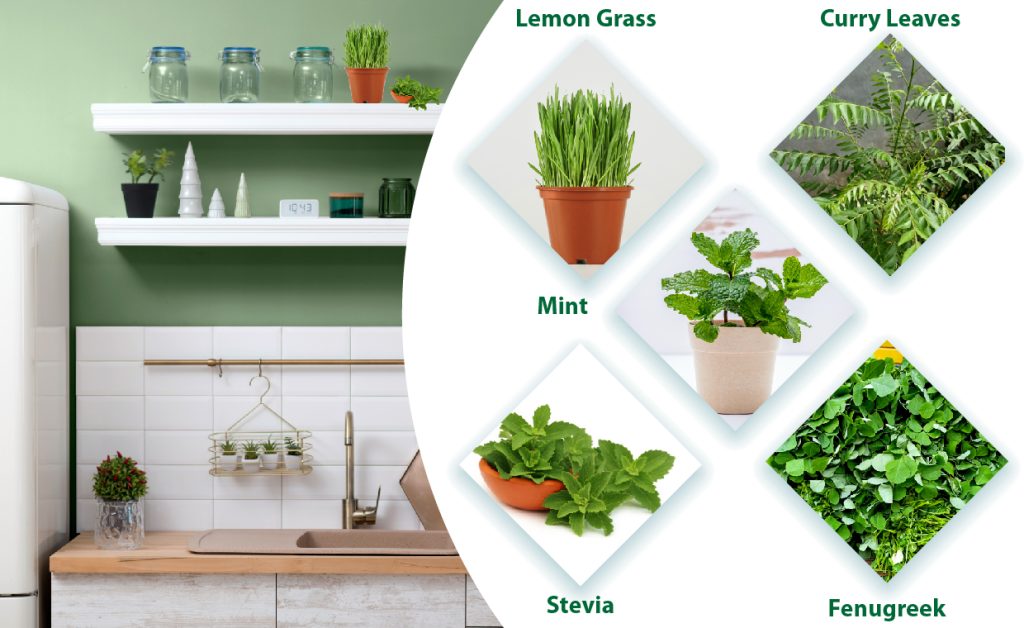
- Mint: With its invigorating scent and flavor, mint is perfect for beverages and desserts. This herb is known for its ease of cultivation, often flourishing even in less-than-ideal conditions. However, be cautious—mint can spread rapidly and may need to be contained in pots.
- Chives: Offering a mild onion flavor, chives are a delightful addition to salads and garnishes. They’re hardy and can tolerate varying light and soil conditions. Simply snip the leaves as needed, and they will regrow!
- Parsley: Often considered a garnish, parsley is also packed with nutrients and can elevate the flavor of a variety of dishes. It enjoys partial shade and can be grown in pots or direct soil.
After selecting your favored herbs, it’s crucial to understand the various growing conditions for each plant. Factors such as sunlight, soil type, and watering frequency play pivotal roles in a herb’s growth. Generally, most herbs prefer a sunny spot with at least 6–8 hours of light, but some, like mint and parsley, can tolerate partial shade. When it comes to soil, a mix of potting soil with good drainage is ideal, as herbs typically dislike sitting in water.
Watering is another essential element of care. First-time gardeners often struggle with knowing how much water is enough. A general rule of thumb is that the top inch of soil should be dry before watering again, but this can vary by herb. Persistent over-watering is a common mistake, leading to root rot and a decline in plant health.
As your garden begins to grow, keep an eye out for common pests and diseases. Maintaining good air circulation, proper watering, and healthy soil will minimize many issues. Remember that herbs are generally resilient; with a little attention, you can enjoy a thriving herb garden in no time.
Next, let’s explore how to cultivate a flourishing environment for your herbs, boosting both your gardening prowess and appreciation for home-grown flavors!
Herbs for Beginners: The Complete Guide to Growing and Caring for Herbs at Home
As you embark on your journey into herbal gardening, understanding the fundamental advantages of growing herbs at home is essential. Not only does it enhance your culinary skills, but it also opens a world of natural beauty and health benefits. Below, we present a table that highlights some remarkable aspects of growing herbs, revealing why this hobby is both rewarding and practical.
| Category | Characteristics |
|---|---|
| Culinary Uses | Herbs like basil, parsley, and thyme enhance flavors and add nutritional value to meals. |
| Health Benefits | Many herbs possess medicinal properties; for example, mint can aid in digestion, while rosemary improves memory. |
| Aesthetic Appeal | Growing herbs in pots or gardens provides beauty and enhances home environments with vibrant greens. |
| Sustainable Living | Homegrown herbs reduce dependence on store-bought options, fostering a sustainable lifestyle. |
With such a plethora of benefits, it’s no wonder that a growing number of enthusiasts are turning their living spaces into their personal herb gardens. From the novice gardener to the seasoned green thumb, the possibilities are endless and full of inspiration. Continue to explore this guide to discover more about each herb’s growth requirements, care methods, and tips to incorporate them into your daily routine.
DISCOVER MORE: Click here to learn how to protect your indoor plants
Creating the Ideal Environment for Your Herbs
Once you have selected your herbs based on your culinary preferences and local climate, the next critical step is creating an optimal environment for their growth. Effective herb gardening is not just about selecting the right plants; it involves understanding the best practices that will lead to a flourishing garden.
Choosing the Right Container: If you’re growing herbs in pots, which is a fantastic option for beginners, the type of container matters. Ensure that your pots have adequate drainage holes to prevent water from pooling at the bottom, which can lead to root rot. For many herbs, a pot size of at least 6–8 inches in diameter is ideal, providing enough space for the roots to expand. Additionally, consider using self-watering containers if you are often away; this can help maintain consistent moisture levels.
Soil Composition: The foundation of any successful herb garden lies in the soil. A lightweight potting mix that combines organic matter with perlite or vermiculite promotes good drainage. Avoid using garden soil, as it may be too dense and contain pests or diseases. Many gardeners opt for organic soil mixes to ensure their herbs not only thrive but also produce the best flavor.
Managing Light and Temperature
Herbs need sufficient light to grow vigorously. Placing your herbs in sunny windows or using grow lights for indoor gardening can help ensure they receive the recommended 6–8 hours of light daily. During the growing season, most herbs prefer temperatures between 65°F to 75°F. If temperatures dip below 60°F during the night, consider bringing them indoors or using protective covers if they are outside.
Watering Wisely
While herbs need water to survive, the way you water can greatly affect their success. Overwatering is a common pitfall for beginners. Instead, adopt a system: water deeply but infrequently. This means soaking the soil until water drains out of the bottom of the pot, then allowing it to dry out slightly before watering again. The best method is to check the soil moisture with your finger—if the top inch feels dry, it’s time to water.
Fertilizing Your Herbs
Herbs primarily grow well in nutrient-rich environments, but over-fertilizing can lead to a loss of flavor. A slow-release organic fertilizer can provide adequate nourishment without overwhelming your plants. During the growing season, feed your herbs every 4–6 weeks. Look for products specifically designed for herbs or general-purpose organic fertilizers labeled as suitable for edible plants. Watch for signs of nutrient deficiency, which may include yellowing leaves.
Pest Management and Care
As your herb garden flourishes, it’s essential to monitor for pests such as aphids, spider mites, and whiteflies. Handpicking pests or using a strong spray of water can often dislodge them without toxic chemicals. Additionally, introducing beneficial insects like ladybugs can be a natural way to combat pests. Maintaining healthy plants through proper care will minimize pest issues.
With these foundational practices, you are well on your way to cultivating a vibrant herb garden at home. By creating the right environment, understanding your plants’ needs, and being proactive in care, you can enjoy the abundant flavors and culinary excitement that fresh herbs bring to your dishes!
DIVE DEEPER: Click here to discover the best indoor plants for beginners
Conclusion
Diving into the world of herb gardening can be a truly rewarding experience, especially for beginners. With a simple understanding of your herbs’ growing conditions and essential care techniques, anyone can transform their home into a fragrant sanctuary filled with culinary delights. From creating the ideal environment with proper containers and soil to managing light exposure and watering habits, every step contributes to the success of your herb garden.
Remember, the journey of growing herbs is not just about the end product—it’s about the learning process and the joy of nurturing something from seed to table. Whether you opt for basil to elevate your pasta dishes or mint to freshen your desserts, each herb offers unique flavors and aromas that can enhance your cooking. Moreover, homegrown herbs provide a sense of accomplishment and connection to nature that store-bought versions cannot match.
As you continue on this green-thumb adventure, don’t hesitate to experiment with different varieties, soil mixtures, and growing techniques. With some patience and a touch of creativity, your garden will thrive. Consider documenting your growth journey, not only to track progress but also to share with fellow gardening enthusiasts.
In embracing the art of herb gardening at home, you open the door to a world of flavor, fragrance, and fun. So gather your tools, select your favorite herbs, and watch as they flourish under your care. The joy of harvesting fresh herbs to season your meals is just the beginning of a vibrant culinary journey ahead!