Creating a Pollinator-Friendly Garden: Sustainable Practices for Beginners
The Importance of Pollinators
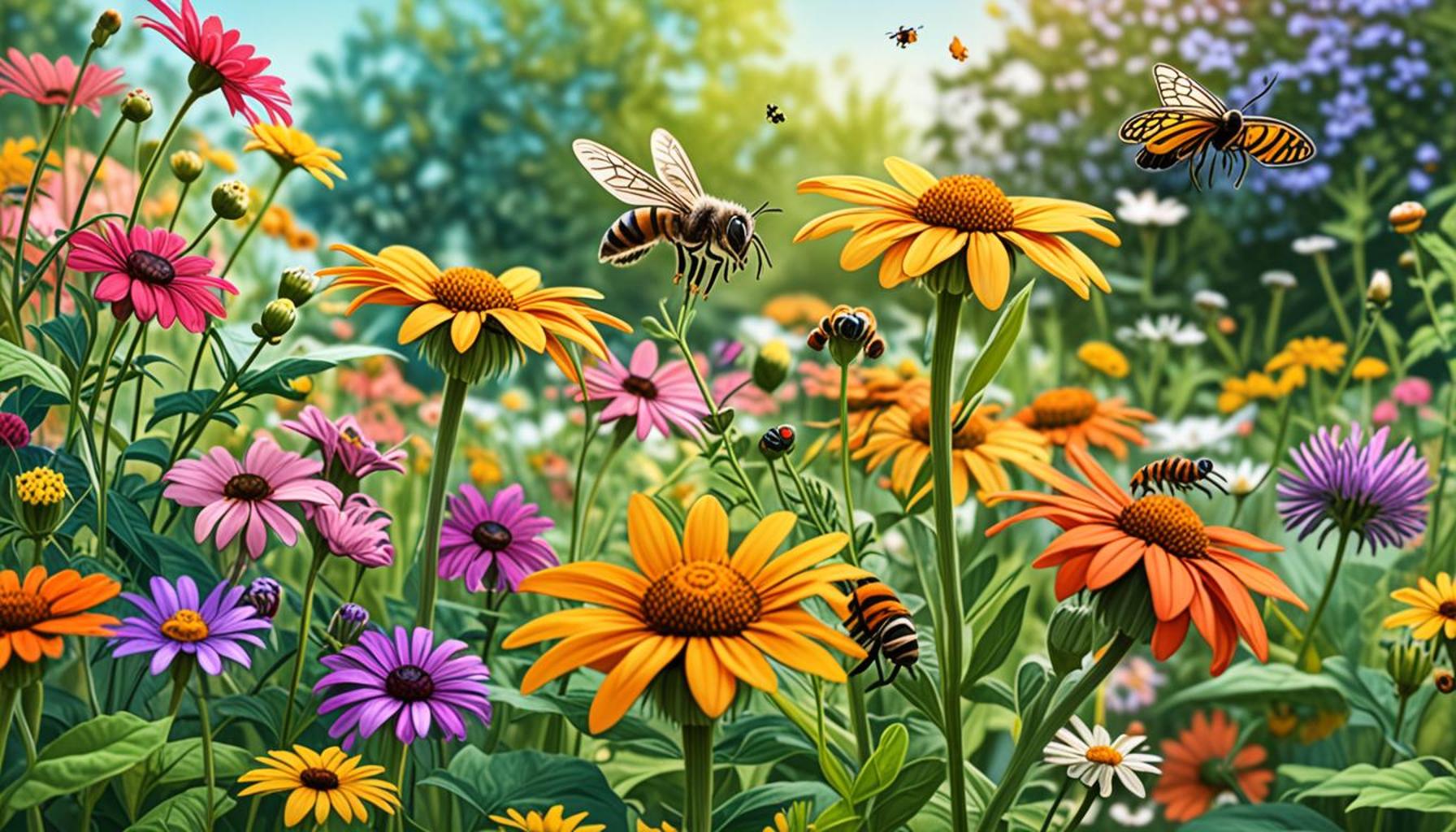
As we witness the devastating impacts of climate change and habitat loss, the role of pollinators in our ecosystems cannot be overlooked. These creatures, including bees, butterflies, and hummingbirds, are responsible for pollinating approximately 75% of the world’s flowering plants and about 35% of the world’s food crops. This is particularly significant in the United States, where crops like blueberries, almonds, and tomatoes rely heavily on pollination. The decline of these populations due to pesticides, habitat destruction, and climate shifts poses a grave threat not just to biodiversity, but to food security as well.
Key Components of a Pollinator-Friendly Garden
Creating a sustainable pollinator garden involves thoughtful planning and a commitment to fostering an environment where these vital species can thrive. Here are some essential strategies:
- Diverse Plant Selection: Opt for a variety of native plants that naturally attract local pollinators. Plants such as coneflowers, milkweed, and asters are excellent choices. Native plants not only provide an abundant source of nectar and pollen but also require less maintenance as they are adapted to the local climate. For example, milkweed is crucial for the monarch butterfly, providing food for their larvae.
- Continuous Bloom: To support pollinators throughout different seasons, incorporate plants that bloom at various times of the year. By choosing early bloomers like crocuses and late-season flowers like goldenrods, you can ensure a consistent food supply. This strategy helps mitigate the risk of food scarcity during critical periods in the pollinators’ life cycles.
- Eco-Friendly Practices: Embrace organic gardening techniques by minimizing pesticide use, which can be harmful to beneficial insects. Instead, consider using natural pest control methods such as companion planting or introducing beneficial insects like ladybugs into your garden. These eco-friendly practices will help maintain a balanced ecosystem.
The Benefits of Pollinator Gardens
In addition to beautifying your outdoor space, pollinator gardens offer a myriad of benefits:
- Enhance Local Wildlife: Creating a habitat for pollinators directly contributes to local biodiversity. As more gardeners adopt this practice, it contributes to a larger network of green spaces that wildlife can utilize. This is particularly important in urban areas, where natural habitats are increasingly encroached upon.
- Improve Soil Health: By fostering a diverse range of plants, you not only attract pollinators but also enhance soil health. Deep roots from native plants can prevent erosion, while organic matter from decaying plant materials enriches the soil with nutrients, creating a healthier environment for all garden inhabitants.
- Educate and Inspire: Pollinator gardens serve as practical examples to neighbors, schools, and local organizations. By inviting community members to learn about the importance of pollinators and organic gardening practices, you can help inspire collective efforts toward sustainable living.
Taking Action
Are you ready to take the plunge and transform your garden into a sanctuary for pollinators? Delving into sustainable gardening opens the door to numerous delights, including beautiful blooms and the joyful sight of buzzing bees and fluttering butterflies. With a little planning, creativity, and dedication, anyone can create a vibrant, pollinator-friendly garden that not only enriches their own lives but also contributes positively to the environment. So grab your gardening tools and get started on this fulfilling journey of transformation today!
DON’T MISS OUT: Click here to discover how to adapt your herb garden</
Planting the Seeds of Sustainability
Creating a pollinator-friendly garden starts with understanding what your local pollinators need. A diverse range of plants serves as the cornerstone of a thriving ecosystem, drawing in bees, butterflies, and other important species. By opting for native plants, you can provide a rich and varied habitat tailored to local wildlife, making it crucial to research which species will flourish in your area.
For beginners, the journey to a pollinator garden can be both exciting and educational. Here are some key strategies to keep in mind as you begin your sustainable gardening venture:
- Native Plant Choices: Selecting plants native to your region ensures they will be well-suited to the local climate and soil conditions, reducing the need for extra resources like water and fertilizers. Species such as Goldenrod, Black-eyed Susan, and Butterfly Bush not only attract a variety of pollinators but also provide essential food sources throughout different seasons. A native garden supports the entire ecosystem, including birds and other beneficial insects.
- Layering Plant Heights: Designing your garden with plants of varying heights can create a multi-dimensional space that caters to different types of pollinators. This stratification allows for various nesting opportunities and feeding choices. Consider taller species like Coneflowers in the back or center, medium-height plants like Asters in the middle, and low-growing plants like Thyme as ground cover. This arrangement not only attracts more pollinators but also enhances visual appeal.
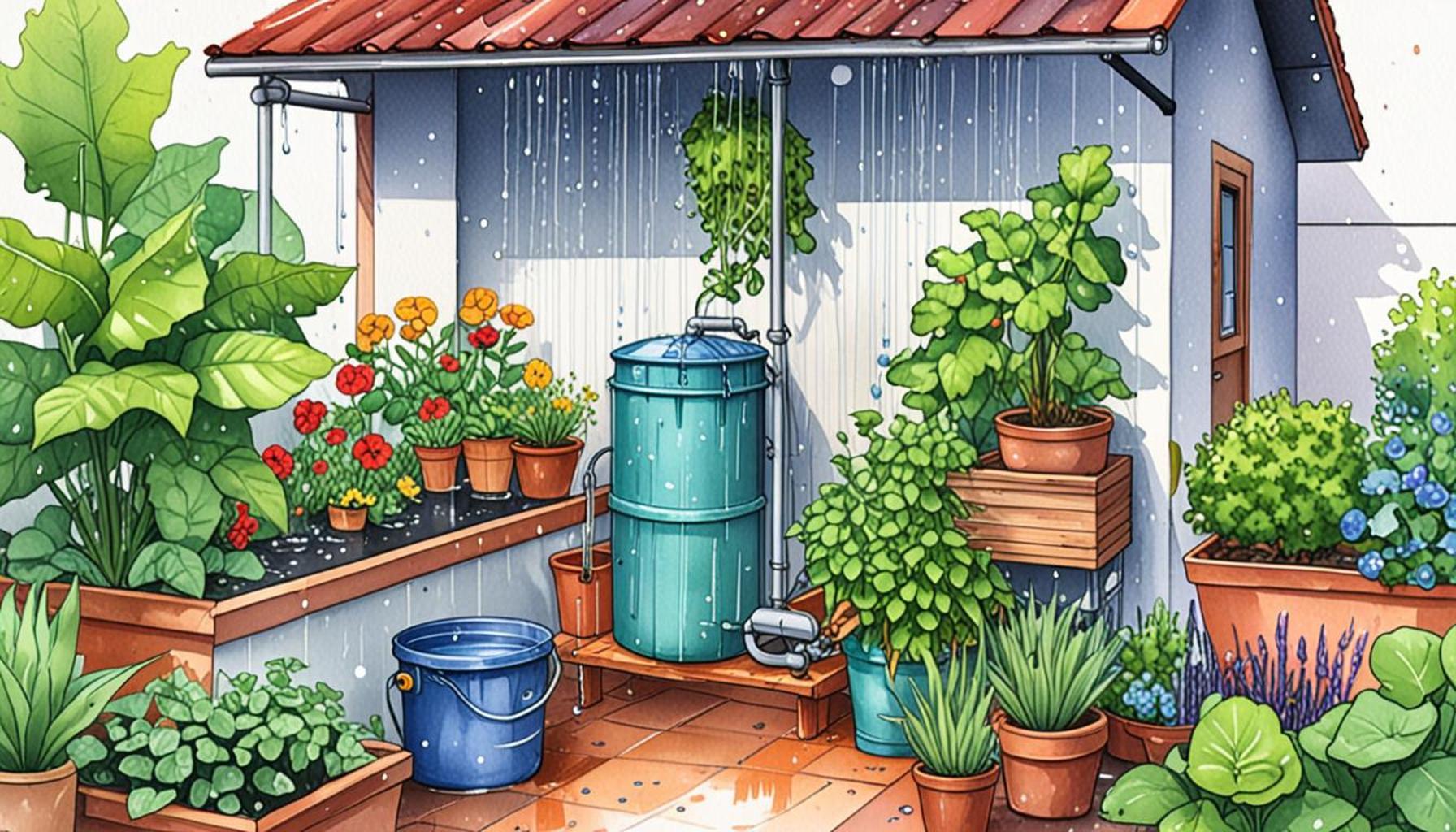
- Water Sources: Providing a clean water source is an often-overlooked aspect of pollinator gardening. Shallow birdbaths filled with rocks or pebbles can serve as drinking water for bees and butterflies while also creating a welcoming habitat for birds. Ensure water sources are clean and refreshed regularly to prevent stagnation and encourage visits from thirsty pollinators.
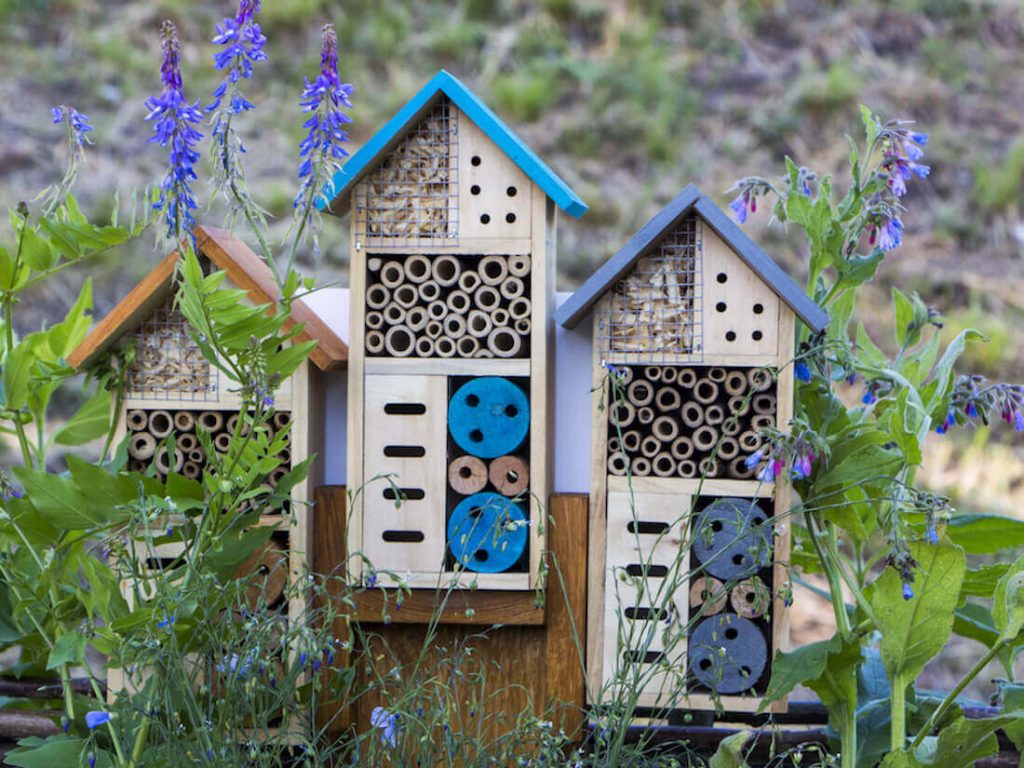
- Natural Nesting Sites: Incorporating elements that provide nesting sites is essential for supporting pollinator populations. Leaving areas of bare soil, placing wooden blocks with drilled holes, or creating brush piles from native shrubs can all serve as valuable nesting habitats for solitary bees and other insects. Creating these natural spaces promotes biodiversity and encourages pollinators to stay in your garden.
Moreover, think about the impact of your surroundings. Fostering a pollinator-friendly environment extends beyond your garden boundaries. Consider using local resources, such as community gardening initiatives or workshops, to learn more about sustainable gardening practices and connect with like-minded individuals who share your passion for pollinators!
As you embark on creating your garden, remember that every little effort counts. By dedicating time and resources to foster a diverse and welcoming environment, you will play an important role in supporting pollinator populations and contributing to the overall health of our ecosystems.
Creating a Pollinator-Friendly Garden: Sustainable Practices for Beginners
Embracing a pollinator-friendly garden is a rewarding endeavor that not only beautifies your outdoor spaces but also supports vital ecological systems. Here’s how you can easily begin your journey into sustainable gardening by incorporating practices that attract and nourish pollinators.
Choosing the Right Plants
Begin by selecting a diverse array of native plants that bloom at varying times throughout the season. This ensures that pollinators have a consistent food source. Native plants are particularly effective because they are adapted to the local environment, supporting a range of pollinators, including bees, butterflies, and hummingbirds. Research shows that native flowering plants can boost local biodiversity dramatically.
Minimizing Pesticide Use
Another essential practice in creating a pollinator-friendly garden is to minimize pesticide use. Many common pesticides are harmful to these important insects. Instead, opt for natural pest control methods such as companion planting, encouraging beneficial insects, and utilizing organic solutions when necessary. This shift not only secures your pollinator population but also contributes to a healthier garden ecosystem.
Providing Habitats
In addition to cultivating the right plants, providing habitats is crucial. Install bee hotels, leave patches of bare soil for ground-nesting bees, and create areas with dense foliage for shelter. Water sources, such as shallow dishes or birdbaths, can be equally beneficial, allowing pollinators to hydrate safely. These small steps can create a welcoming environment for various pollinators while enhancing the overall health of your garden.
Ultimately, engaging with the principles of sustainable gardening and fostering a pollinator-friendly environment can lead to a significant positive impact on local wildlife and your overall gardening experience. Stay tuned for more tips and techniques to boost your garden’s appeal to these indispensable creatures.
| Category | Key Features |
|---|---|
| Native Plants | Supports local biodiversity and provides year-round food sources. |
| Natural Pest Control | Reduces harm to pollinators and maintains ecological balance. |
| Habitat Creation | Encourages nesting and shelter for various pollinators. |
By focusing on these fundamental principles, beginners can lay the groundwork for a thriving, pollinator-friendly garden that enhances not only their outdoor space but also contributes to vital environmental health. Each practice is an opportunity to learn and connect with nature while making a meaningful difference. Dive deeper into the world of sustainable gardening and uncover the myriad ways to nurture and protect our pollinators.
DISCOVER MORE: Click here for effective watering techniques
Attracting More Than Just Bees
In addition to choosing the right plants and creating the ideal physical environment, understanding the behaviors and needs of different pollinators is essential for maximizing their presence in your garden. Each pollinator species has unique preferences and habits. For instance, honey bees are generalists, while various native bees might be more particular about their food sources.
To effectively attract and support a broader range of pollinator species, consider the following strategies:
- Diversity of Flower Shapes and Colors: Pollinators are attracted to various flower shapes, sizes, and colors. While bees prefer blue and purple hues, butterflies are drawn to bright oranges and reds. Incorporating plants with different flower forms—like tubular flowers for hummingbirds or flat-topped flowers for butterflies—can significantly enhance your garden’s allure. Aim to have a mix of annuals and perennials to ensure continuous bloom cycles and sustained food sources throughout the growing season.
- Seasonal Considerations: To maintain a consistent food supply, plant species that bloom at different times throughout the year. Early bloomers, such as Crocus and Salvia, provide essential nutrition at the start of the season, while late bloomers, like Asters and Goldenrod, ensure that pollinators have access to resources heading into the fall. This diversity in bloom time helps support populations of pollinators who may emerge at different intervals.
- Reduce Pesticide Use: One of the most critical steps in creating a pollinator-friendly garden is minimizing chemical use. Pesticides and herbicides can be harmful not only to targeted pests but also to helpful pollinators. Opt for organic gardening practices, such as planting companion plants to attract beneficial insects that can naturally manage pest populations. Incorporating practices like crop rotation and organic mulch can also fortify your plants against pests while keeping them healthy and thriving.
- Incorporate Pollinator Houses: To go beyond planting, consider adding small structures designed specifically for pollinators. Bee hotels provide essential nesting spaces for solitary bees, while insect hotels can accommodate various species and promote biodiversity. By strategically placing these structures around your garden, you create inviting habitats that encourage pollinators to take up residence.
Another effective way to keep your garden pollinator-friendly is through engaging educational resources. Libraries and botanical gardens across the United States often host workshops focused on sustainable gardening practices. Participating in these events not only enhances your gardening skills but introduces you to local experts and enthusiasts who can share valuable insights. Exploring community-supported agriculture (CSA) programs can also open doors to learn about sustainable methods while attaining organic produce.
Making connections in your neighborhood can build a community of like-minded individuals, enhancing collective efforts toward creating a pollinator-friendly environment. Participating in plant swaps or joining local gardening clubs can expand your knowledge while acquiring native plant varieties that are particularly suited for your local ecosystem.
By embracing these practices, you will not only cultivate a vibrant garden but also develop a deeper understanding of the natural world around you. This engagement ultimately empowers you to become an advocate for sustainable gardening, helping to ensure the health and diversity of pollinator populations for generations to come.
DISCOVER MORE: Click here to dive deeper
Conclusion
Creating a pollinator-friendly garden is not only a rewarding endeavor but an essential step towards fostering biodiversity and supporting our ecosystem. This journey begins with understanding the unique needs of various pollinators, from bees and butterflies to hummingbirds. By introducing a diverse array of plants that bloom at different times and cater to their preferences, you can cultivate an environment that thrives with life.
Furthermore, adopting sustainable practices—such as minimizing pesticide use, incorporating pollinator habitats like bee hotels, and engaging with local gardening communities—can greatly enhance your garden’s effectiveness as a haven for pollinators. These strategies promote a balanced approach to gardening, mitigating the adverse effects of industrial agricultural practices and encouraging a healthier natural landscape.
By participating in workshops and seeking out local resources, you’ll not only enhance your gardening skills but also connect with fellow enthusiasts who share your passion for sustainable practices. The impact of creating a pollinator-friendly garden extends beyond your immediate space; it contributes to a larger movement towards environmental awareness and conservation.
Embrace the adventure of cultivating your garden, knowing that each flowering plant and nesting space you create plays a vital role in the survival of these essential species. Together, we can champion the cause for pollinators, ensuring their health and diversity as we plant the seeds for future generations. Start your journey today, and watch as your garden transforms into a vibrant ecosystem that flourishes with color, beauty, and life.