Exploring Composting Techniques: How to Create Your Own Organic Fertilizer at Home
Unlock the Power of Composting
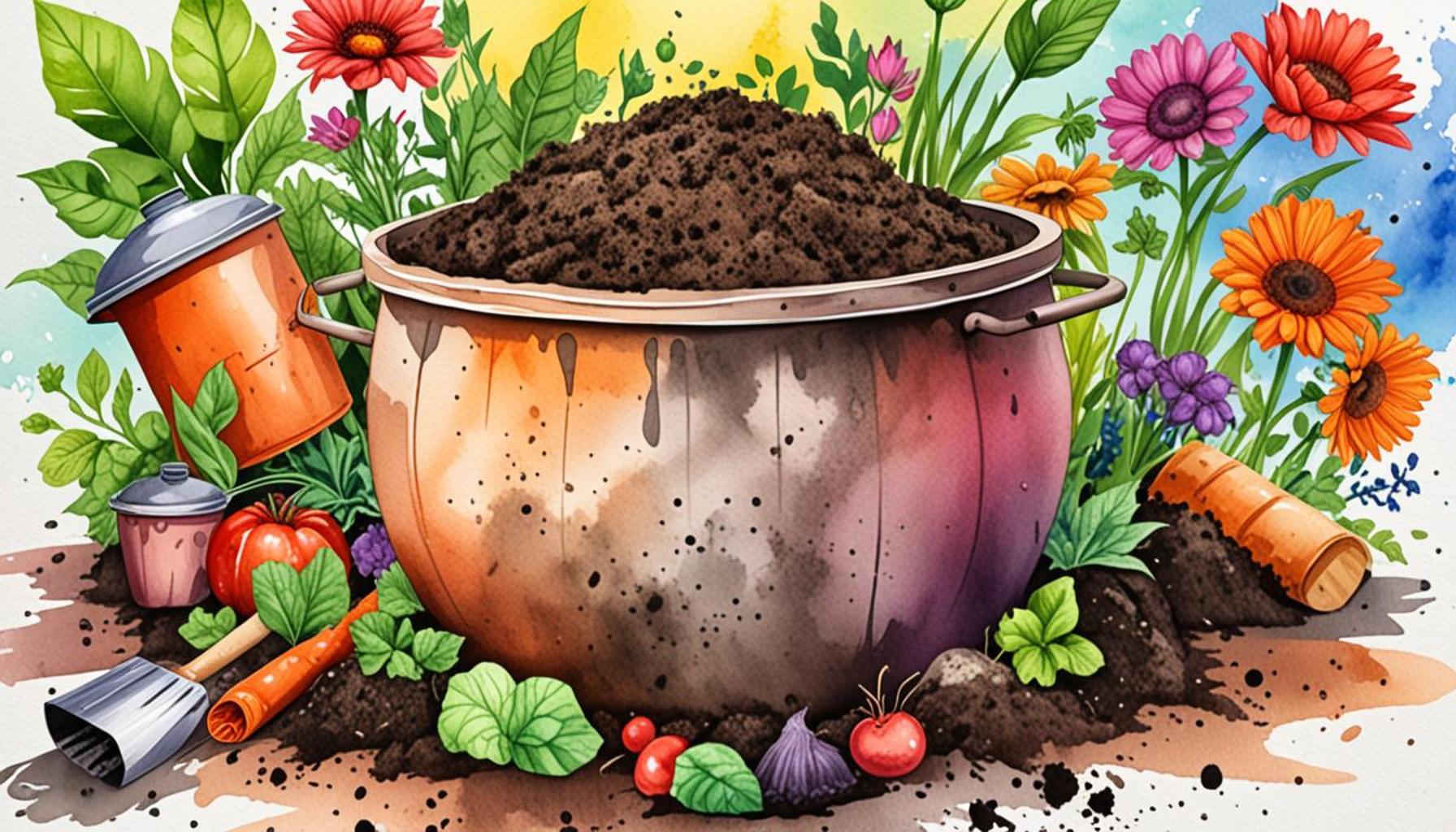
Composting is more than just a trendy gardening technique; it is a sustainable practice that transforms organic waste into nutrient-rich fertilizer. This process not only helps reduce landfill waste but also enhances soil health, promoting vibrant plant growth. By recycling food scraps and yard waste, composting creates a circular economy that benefits both the environment and our gardens.
Whether you’re a seasoned gardener or just starting your journey, exploring composting techniques can yield remarkable benefits. Here are a few key reasons to consider:
- Environmental Impact: Composting plays a critical role in reducing greenhouse gas emissions, which contributes significantly to climate change. According to the U.S. Environmental Protection Agency (EPA), food scraps and yard waste make up over 30% of what we throw away. By composting, we can divert that waste from landfills, where it would produce methane, a potent greenhouse gas.
- Cost-Effective: Creating your own organic fertilizer not only enriches your garden but also saves money on store-bought options. The cost of synthetic fertilizers can add up quickly, while a compost pile, which requires little to no special materials, can provide a continuous supply of nutrients. Consider this: a single bag of organic compost can cost between $10 to $30, but a small home composting setup only requires organic waste to get started.
- Improved Soil Quality: Homemade compost enriches soil, helps retain moisture, and encourages beneficial microorganisms. This not only leads to healthier plants but can also reduce the need for chemical fertilizers and pesticides. Microbes in compost help break down organic matter and unlock nutrients, making them available for plant uptake. This results in stronger root systems and more resilient gardens.
Implementing composting at home opens up a world of possibilities for aspiring eco-warriors. In the United States, many communities are embracing composting initiatives. Various cities offer composting programs or provide resources for residents to start their own compost bins. Furthermore, organizations like the National Resource Defense Council (NRDC) provide guides and tips for effective home composting.
As you delve deeper into composting, you’ll discover various methods to suit your lifestyle. From the simplicity of backyard composting, where materials are layered in a bin or pile, to the innovative vermicomposting, which utilizes worms to break down organic matter efficiently, each technique offers unique advantages. Vermicomposting, for example, can be done indoors and produces a liquid fertilizer known as worm tea, rich in nutrients and beneficial microbes, perfect for feeding houseplants and gardens alike.
Whether you are managing a small apartment garden or tending to a sprawling backyard, the right composting method can supplement your gardening efforts while also supporting environmental sustainability. Dive into the rich world of composting, and you will not only reap the rewards in your garden but also contribute to a healthier planet.
DISCOVER MORE: Click here to learn about planning your seasonal vegetable garden
Getting Started with Composting
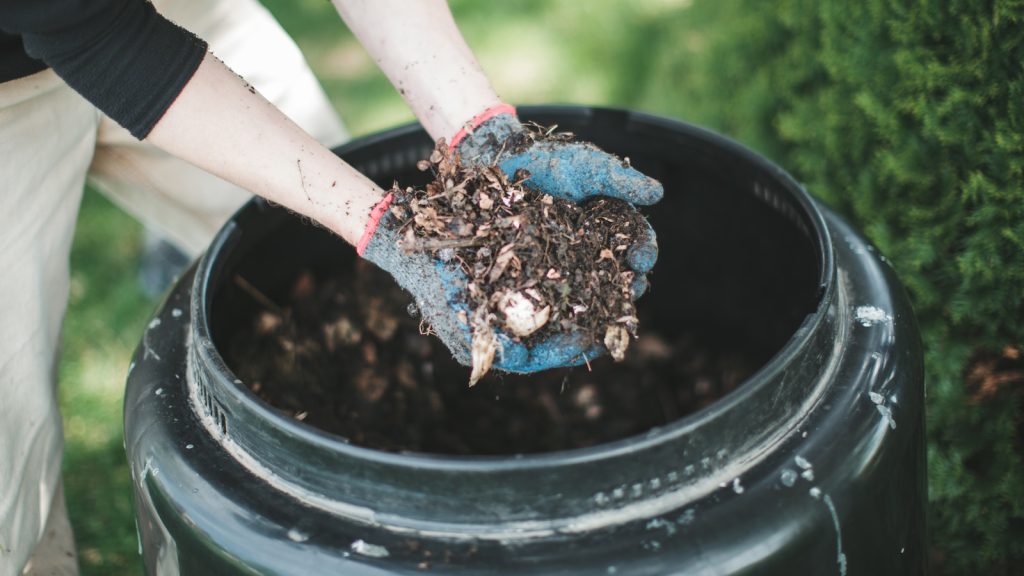
Composting at home can be an accessible and fulfilling venture for anyone interested in sustainable gardening practices. To create your own organic fertilizer, it’s essential to understand the basic principles of composting and the materials involved. The process begins with understanding what can and cannot be composted, as well as the ideal conditions for decomposition to occur.
If you’re just beginning your composting journey, a good starting point is to gather the right materials. Composting materials are typically divided into two categories: greens and browns. Greens are moist materials rich in nitrogen, while browns are drier and contain carbon. A successful compost pile requires a balanced mixture of these elements to promote efficient decomposition.
- Greens: These include kitchen scraps such as vegetable peels, fruit cores, coffee grounds, and grass clippings. These materials provide the necessary nitrogen that speeds up the composting process.
- Browns: Dry leaves, straw, wood chips, and shredded newspaper serve as browns. They are crucial for providing carbon, which fuels the microorganisms that break down the organic matter.
When starting your compost pile or bin, aim for a ratio of 2:1—two parts browns to one part green. This balance ensures that there is enough carbon to support the nitrogen-rich greens. However, don’t get too caught up in the precise measurements; the composting process is fairly forgiving and can adapt to slight variations.
Another critical component of successful composting is achieving the right moisture content. Your compost should feel like a damp sponge—neither too wet nor too dry. If it’s too dry, add some water or more greens; if it’s too wet, introduce more browns or aerate the pile by turning it. Regularly turning your compost helps aerate the pile, which is vital for the activity of the decomposing microorganisms. Aim to turn your compost every few weeks, which also speeds up the breakdown of materials.
Choosing the Right Composting Method
As you start to collect your compost materials, you may wonder which composting method best suits your lifestyle and space. Here are some popular composting techniques:
- Backyard Composting: This traditional method involves creating a compost pile or bin in your backyard. It allows for larger batches of compost and is ideal for those with ample outdoor space.
- Vermicomposting: Utilizing red wiggler worms, this method can be done indoors and is particularly beneficial for apartment dwellers. The worms consume organic waste and produce nutrient-dense worm castings.
- Bokashi: A method originating from Japan, Bokashi involves fermenting organic waste with a special mix of bacteria. This method is excellent for handling meat and dairy products that traditional composting may not accommodate.
Each of these techniques offers unique advantages tailored to different living situations and preferences. By identifying which method aligns best with your lifestyle, you are one step closer to creating your own organic fertilizer.
| Category | Advantages |
|---|---|
| Environmental Impact | Reduces landfill waste significantly while lowering carbon footprint. |
| Cost Savings | Generates free organic fertilizer, cutting down on grocery bills over time. |
Effective composting techniques offer numerous benefits that extend beyond just enriching your garden soil. Understanding the environmental impact is crucial; composting can dramatically reduce the amount of organic waste that ends up in landfills, which in turn helps lower greenhouse gas emissions. This not only plays a part in combating climate change but also encourages biodiversity by creating a healthier ecosystem in your own backyard.Moreover, creating your own organic fertilizer is not just good for the planet, but it is also financially beneficial. Instead of purchasing chemical fertilizers, which can be costly and harmful to the environment, composting enables you to make your own nutrient-rich soil amendment. This can lead to significant cost savings in maintaining your garden or landscaping. Exploring composting techniques could thus become an integral, rewarding part of your sustainable living journey.
DISCOVER MORE: Click here to learn about the vital role of microorganisms in your garden</a
Maintaining Your Compost
Once you have established your composting system, the next phase involves proper maintenance to ensure optimal decomposition. Monitoring temperature is a crucial aspect of maintaining a healthy compost pile. Ideally, the internal temperature of your compost should range between 130°F to 160°F. This heat indicates that the decomposition process is well underway and that beneficial microorganisms are actively breaking down organic materials. If your compost pile is not warming up, it may indicate insufficient nitrogen, inadequate moisture, or lack of aeration.
The addition of water and regular turning are key elements in keeping your compost hot and conducive to microbial activity. If your compost pile is too hot, turn it more frequently to help cool it down and reinvigorate the microbial workforce. Conversely, a cool pile needs attention; consider incorporating more green materials or dampening dry ingredients. Getting familiar with these subtle signals will enable you to create a thriving compost environment.
Common Composting Mistakes to Avoid
For budding composters, some common pitfalls can derail your composting efforts. Here are a few mistakes to avoid:
- Ignoring balance: Neglecting the crucial 2:1 ratio of browns to greens can hinder decomposition. Too much greens can lead to a smelly, anaerobic pile, while a lack of greens can cause your compost to stagnate.
- Composting animal products: Besides Bokashi, avoid adding meat, dairy, and oils to your compost unless you’re using an appropriate method. These items can attract pests and create unpleasant odors.
- Too compacted: An overly dense compost pile can restrict airflow, limiting microbial activity. Ensure proper aeration by turning your pile regularly and mixing in light materials.
By being mindful of these mistakes, you can enhance the efficiency of your composting and enjoy a rich, finished product.
Using Your Finished Compost
After several months of diligent care, your compost will transform into a dark, crumbly substance that smells earthy—this indicates it is ready to be used. The time it takes for compost to mature may vary depending on your composting method and conditions, but typically ranges from three months to two years.
There are numerous ways to use your homemade organic fertilizer, often called black gold by gardening enthusiasts. You can:
- Top-dress your garden beds: Spread a thin layer of compost over your soil to enrich it without disturbing existing plants.
- Mix with potting soil: Combine compost with commercial potting mix for your indoor plants or start seedlings in nutrient-rich soil.
- Improve soil fertility: Incorporate compost into your vegetable garden or flower beds to enhance nutrient availability and improve soil structure.
Not only will using compost enrich your plants, but it will also contribute to a more sustainable gardening practice by recycling organic waste back into the ecosystem.
As you continue your journey in composting, consider sharing your experiences with neighbors or community members. Engaging in local gardening communities can lead to discovering even more innovative techniques and making the most of your organic fertilizer.
DISCOVER MORE: Click here for tips on creating your ideal indoor garden
Conclusion
In conclusion, exploring composting techniques opens up a world of opportunities for enhancing your gardening experience while contributing positively to the environment. By understanding the fundamentals of creating your own organic fertilizer at home, from establishing the right compost bin to maintaining an optimal environment for decomposition, you empower yourself to transform kitchen scraps and yard waste into nutrient-rich compost.
Remember, keeping a balanced mix of browns and greens, along with regular turning and adequate moisture, will propel your composting efforts to success. It’s essential to be mindful of common mistakes, such as composting materials that can create odors or attract pests, as they can derail your progress.
Once your compost matures to that coveted earthy black gold, you are equipped to enrich your garden, promote plant health, and improve soil fertility. The benefits are not just limited to your garden; adopting a composting routine helps reduce landfill waste and supports sustainable living practices. As you delve deeper into this rewarding hobby, consider engaging with local gardening communities to share insights and discover new strategies.
Ultimately, your composting journey enriches the soil while fostering a greater connection to nature. A small effort in your backyard can lead to remarkable benefits for your garden and our planet. So grab those kitchen scraps, start turning that pile, and watch your gardening flourish, one layer of compost at a time.