Growing Flowers with Organic Methods: Tips for Beginners in the Garden
Unleashing the Beauty of Organic Flower Gardening
Imagine stepping into your garden, greeted by a stunning array of vibrant flowers, all nurtured without synthetic chemicals. Growing flowers with organic methods not only enhances the beauty of your space but also promotes a healthier environment. For beginners, this rewarding pursuit may seem daunting, but with the right approach, it can be both enjoyable and fulfilling.
Organic gardening involves utilizing natural processes and materials to cultivate plants. Here are some key aspects to consider:
- Soil Health: A robust foundation is essential for any garden. Organic compost enriches your soil and fosters beneficial microbial activity. By incorporating resources like kitchen scraps, leaves, and grass clippings, you can create a nutrient-rich compost. Additionally, using cover crops such as clover or vetch can prevent soil erosion and add nitrogen back into the earth.
- Natural Pest Control: Instead of harmful pesticides, use methods like companion planting or natural repellents to keep unwanted visitors at bay. For instance, planting marigolds alongside vegetable crops not only beautifies your garden but can deter pests like aphids and nematodes. Natural substances such as neem oil or diatomaceous earth also serve as effective deterrents without harming beneficial insects.
- Seed Selection: Opt for native and heirloom flower varieties that thrive in your local climate, ensuring resilience and beauty. Native plants, such as coneflowers or black-eyed Susans, require less water and maintenance, making them excellent choices for sustainable gardening. Additionally, heirloom varieties often come with rich histories and unique colors, providing diversity to your garden.
These foundational elements set the stage for a flourishing organic flower garden. Furthermore, understanding your growing zone is crucial in choosing the right flowers for your region. For instance, while sunflowers bloom beautifully in the sun-drenched Southwest, the lush Northeast lends itself well to varieties like daisies and hydrangeas, which flourish in moderate climates.
As you embark on this gardening adventure, remember that patience and observation are key. Each season brings new lessons, whether from watching how your flowers bloom—or noticing how they interact with local wildlife. Embrace the learning journey, for organic gardening isn’t merely about aesthetics; it’s about creating a vibrant ecosystem that supports myriad forms of life. Ready to dig in? Let’s explore essential tips that will guide you through your organic gardening path, and watch your space transform into a haven of natural beauty.
DISCOVER MORE: Click here for the ultimate guide on herbs
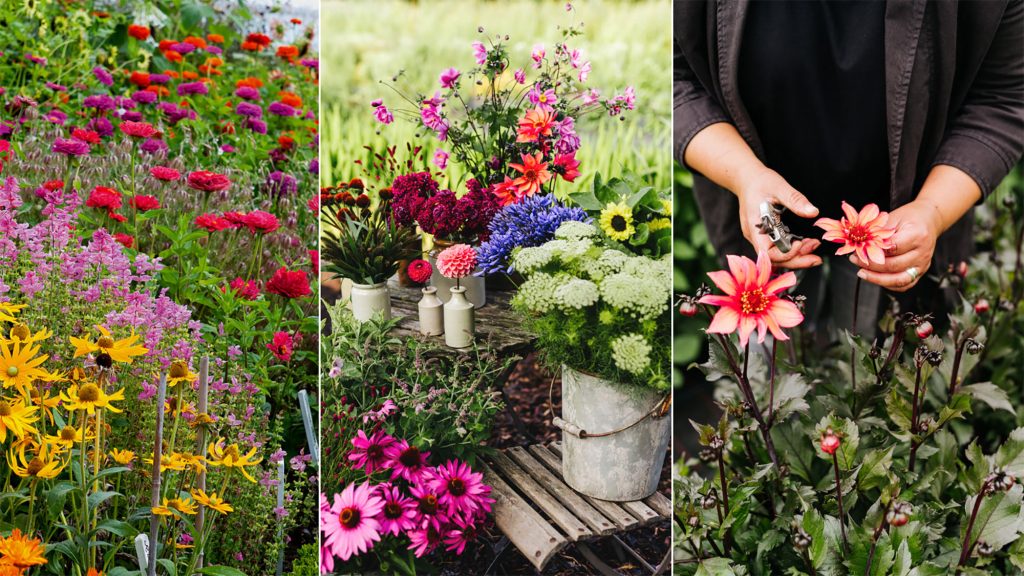
Essential Tips for Organic Flower Gardening Success
As you prepare to cultivate your organic flower garden, embracing a few essential tips can make all the difference. This journey not only enhances your horticultural skills but also connects you to nature in a profound way. Here are some fundamental aspects to keep in mind for a thriving, organic floral display:
- Choosing the Right Time to Plant: Timing can be crucial for the success of your flowers. Most flowers thrive when planted in the spring, after the last frost, while others prefer a late summer or fall planting. Knowing your USDA planting zone can help you determine the optimal period for sowing seeds or transplanting seedlings. For example, in warmer zones, you may find that spring is ideal for sunflowers, while in cooler areas, perennials like peonies flourish with a fall start.
- Watering Wisely: Water is life for plants, but too much of it can lead to problems such as root rot. Implementing a drip irrigation system can reduce waste while providing consistent moisture to the plant roots. Additionally, watering early in the morning minimizes evaporation and helps plants absorb moisture before the heat of the day. Remember, the general rule is to aim for about an inch of water per week, depending on your climate.
- Utilizing Mulch: Applying mulch around your flowers is an organic gardener’s secret weapon. Mulch can reduce weed growth, keep soil temperature consistent, and retain moisture—making it invaluable during hot summer months. Options like straw, shredded leaves, or wood chips can all serve as excellent mulching materials. Plus, as it breaks down, organic mulch will also enrich your soil.
- Fostering Biodiversity: A diverse garden is a healthy garden. Incorporate a variety of flowers, such as zinnias, cosmos, and snapdragons, to encourage different pollinators like bees and butterflies. These friendly visitors not only pollinate your flowers but also enhance the ecosystem’s overall health. The more variety you introduce, the better your garden will be at resisting pests and diseases.
Moreover, learning to recognize beneficial insects, like ladybugs and lacewings, can keep destructive pests in check without the need for pesticides. Creating habitats for these allies, such as clustering certain flowers together or providing small shelters, can give them a home throughout the growing season.
As you delve into the world of organic flower gardening, remember that it is a journey of discovery. Each flower you plant is a step towards creating a vibrant ecosystem, fostering not only beauty in your yard but also a healthy environment that sustains life. Stay curious, observe the interactions among plants and wildlife, and empower yourself with knowledge as you grow. Your garden can become a breathtaking canvas of natural art, thriving through organic methods, nurturing both flowers and the Earth alike.
Growing flowers using organic methods not only supports the environment but also yields vibrant, healthy blooms that are free from synthetic chemicals. For beginners entering the world of organic gardening, understanding basic principles is essential. Here are some key methods and tips to enhance your gardening experience:First, start by choosing organic seeds or plants. These are crucial for establishing a thriving garden. Look for seeds that are marked as organic and non-GMO, which promotes biodiversity and healthier ecosystems. Consider heirloom varieties; they often provide a rich array of colors and fragrances, enhancing your garden’s aesthetic appeal.Next, focus on enriching your soil. Healthy soil is the foundation of successful organic gardening. Incorporate compost, which adds vital nutrients and improves soil texture. A soil food web containing beneficial microorganisms can be established by adding organic matter, helping to promote plant growth naturally.One of the most effective techniques in organic gardening is companion planting. This method involves planting different types of flowers and vegetables together to enhance each other’s growth. For example, marigolds can deter pests, while basil can improve the flavor of nearby tomatoes. Understanding these partnerships can lead to a more productive garden.Water management is another critical aspect. Use drip irrigation or soaker hoses to minimize water waste while ensuring your plants receive consistent moisture. Collecting rainwater can also be a sustainable option to provide hydration to your blossoms. Moreover, embrace natural pest control methods. Encourage beneficial insects like ladybugs and lacewings that prey on harmful pests. Introducing homemade remedies, such as garlic or neem oil sprays, can effectively keep threats at bay without harming your plants or the surrounding environment.Finally, patience is vital. Organic gardening often requires more time than conventional methods. However, the rewards of watching your flowers bloom naturally and sustainably are immensely fulfilling. By incorporating these tips and methods, you will not only cultivate beautiful flowers but will also foster an ecological balance in your garden. The learning process may be steep, but exploring the world of organic gardening is an investment into a healthier and more vibrant living space.
DISCOVER MORE: Click here to learn about crop rotation
Nurturing Your Organic Flower Garden: Techniques and Principles
With the foundation laid in the previous section, it’s time to delve deeper into essential techniques and principles that will elevate your organic flower gardening experience. Beyond basic practices, understanding the interplay of plants, soil health, and the surrounding environment will empower you to cultivate a thriving floral paradise.
- Soil Health is Paramount: The backbone of any garden lies in the soil. For organic flowers, the focus must be on building healthy, nutrient-rich soil that can sustain growth. Start with a soil test to determine pH levels and nutrient content. Amend your soil using organic materials like compost, aged manure, or worm castings. These additions not only enhance fertility but also improve soil structure, encouraging beneficial microorganisms to flourish. A well-balanced soil will lead to vibrant blooms and stronger plants.
- Companion Planting: This age-old technique involves growing different plants in proximity for mutual benefits. By pairing flowers with specific herbs or vegetables, you can deter pests naturally while enhancing growth. For instance, planting marigolds among your flowers can repel nematodes and aphids. Similarly, utilizing basil around your blooms may improve flavor profiles and attract pollinators. Understanding companion planting can substantially increase the health of your garden, blending aesthetics with efficiency.
- Natural Pest Management: To maintain an organic garden, it’s essential to embrace natural pest management strategies. Simple techniques like introducing neem oil, a natural pesticide derived from the seeds of the neem tree, can keep pests at bay without harming beneficial insects. Additionally, creating a balanced ecosystem with diverse plantings encourages predatory insects, such as spiders and parasitic wasps, to feast on troublesome pests, minimizing the need for chemical intervention.
- Seasonal Rotation: Implementing a seasonal rotation plan, or rotating flower beds each year, can help manage soil nutrient depletion and pest cycles. For instance, if you planted a heavy feeder like sunflowers in one area, follow up the next year with light feeders such as daisies or cosmos. Diversifying where you plant will prevent soil degradation and disease accumulation, fostering long-term health for your garden.
Another beneficial practice is the timing of deadheading—the act of removing spent blooms. Doing so not only keeps your garden looking tidy but also encourages the plant to focus its energy on producing new flowers instead of seed development. Regularly tending to your plants aids in maximizing the longevity and abundance of their blooms.
As you blend these techniques into your gardening routine, remember that organic flower gardening cultivates a dynamic relationship between plants and their environment. You may find that observation is one of the most powerful tools at your disposal. Keep an eye on plant health, watch for pest emergence, and notice which combinations thrive together. Over time, your garden will speak to you, guiding your decisions as it flourishes beautifully in its organic habitat.
DISCOVER MORE: Click here to learn about air-purifying plants
Conclusion: Embrace the Beauty of Organic Flower Gardening
As you embark on your journey into growing flowers with organic methods, remember that the essence of this practice lies in nurturing not only the plants themselves but also the entire ecosystem that supports them. By prioritizing soil health, employing companion planting, and utilizing natural pest management strategies, you set the stage for a flourishing garden that is both vibrant and sustainable. Each bloom you cultivate reflects not only your commitment to organic practices but also your respect for nature’s intricate balance.
One of the most rewarding aspects of organic gardening is the way it encourages mindfulness and observation. By closely monitoring your plants and their environment, you will gradually become attuned to their needs and the nuances of what contributes to their growth. Implementing seasonal rotation and actively engaging in ongoing care, such as deadheading, ensures that your floral displays remain bountiful and breathtaking.
In this journey, you will discover the profound interconnectedness between your flower garden and the world around it. Whether you are drawn to vibrant daisies or delicate roses, each flower adds its unique charm to your outdoor sanctuary. As a beginner, your passion and curiosity will ultimately shape your skills and success. Embrace the challenges, celebrate the triumphs, and consistently seek out knowledge as you cultivate your organic flower garden. In doing so, you not only beautify your surroundings but also contribute positively to our planet, one petal at a time.