Herbs and Sustainability: How to Grow Herbs in an Ecological and Conscious Way
Understanding the Value of Growing Herbs
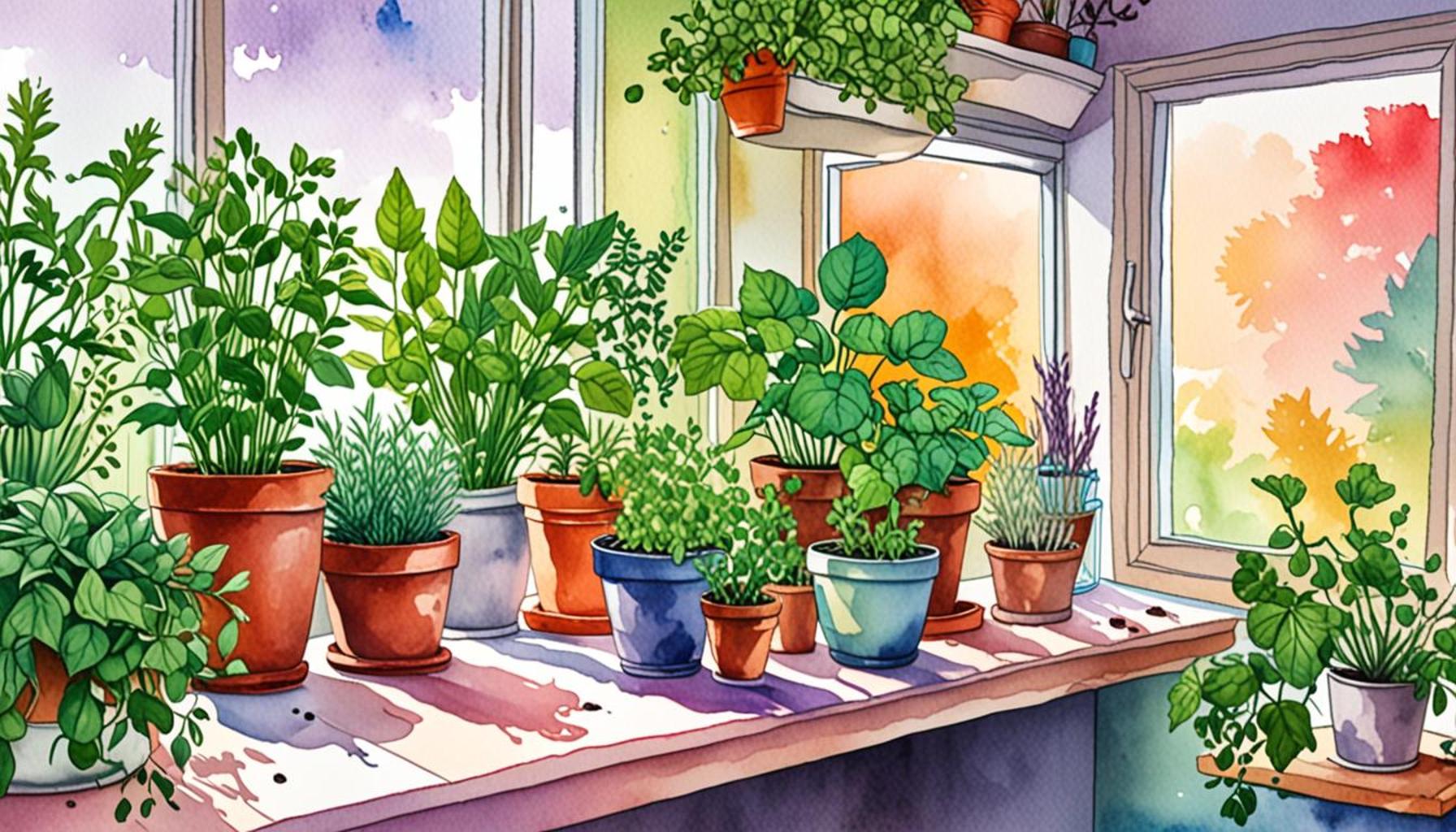
Growing herbs can be a rewarding endeavor that pays dividends not only in the kitchen but also for the planet. When you cultivate your herbs, you take significant steps towards practicing sustainable living. Herbs not only elevate the flavors of our meals but also enhance the health of our environment. No matter the scale—be it a sprawling garden, a compact balcony, or simply a sunny windowsill—herbs can have a profound impact on your ecological footprint.
The concept of sustainable herbs revolves around several core principles that ensure both plant vitality and environmental integrity. This includes:
- Soil Health: Investing in organic, nutrient-rich soil is fundamental for supporting healthy plant growth. Healthy soil teems with beneficial microorganisms that aid nutrient absorption, reduce the need for chemical fertilizers, and promote robust herb development. This might involve composting your kitchen scraps or utilizing locally sourced organic amendments, which not only nurture your plants but also reduce waste.
- Water Conservation: Implementing water-efficient practices, such as drip irrigation or rainwater harvesting systems, is vital in achieving sustainability. Rain barrels can collect runoff from your roof, effectively turning waste into a precious water source for your herbs. Pairing this with mulch can help retain soil moisture and reduce the frequency of watering.
- Biodiversity: When selecting herbs to grow, aim for a diverse mix that benefits local wildlife and promotes ecological balance. For instance, planting lemon balm alongside rosemary can attract pollinators like bees and butterflies, thereby ensuring healthy pollination for both your garden and surrounding flora.
Research indicates that home gardening can significantly lower your carbon footprint. By growing your herbs, you reduce the reliance on commercially produced alternatives often encased in plastic and transported over long distances. A study from the American Society for Horticultural Science highlighted that a small garden can absorb CO2 and release oxygen, thereby contributing positively to local air quality.
Moreover, adopting organic practices not only yields fresher and more flavorful herbs but also supports the survival of critical pollinator populations that have seen dramatic declines in recent years. By planting native herbs like Eastern Red Cedar or Sweet Bay, you create habitats for wildlife and integrate your garden into the larger ecosystem.
This article will explore practical methods and resources for growing herbs ecologically and consciously. Get ready to uncover the joys and benefits of cultivating your own herbs while taking meaningful steps towards a sustainable future. Whether you’re a seasoned gardener or just starting, the connection between your kitchen and the environment has never been more essential.

DISCOVER MORE: Click here for tips on creating a thriving indoor garden
Essential Practices for Sustainable Herb Gardening
To embark on a journey of sustainable herb gardening, understanding the essential practices that underpin successful growth is key. By adopting these eco-friendly methods, you can cultivate your herbs in a way that nurtures the environment while reaping a bountiful harvest. Here are some crucial practices to consider:
- Natural Pest Management: One of the biggest challenges in gardening is dealing with pests. Instead of resorting to chemical pesticides, consider implementing natural pest management strategies. Introducing beneficial insects like ladybugs and lacewings, which prey on harmful pests, can keep your herb garden thriving. Furthermore, companion planting—growing certain herbs alongside vegetables or flowers that repel pests—can create a natural defense system within your garden.
- Crop Rotation: To maintain soil fertility and reduce pest and disease buildup, practice crop rotation. This involves changing the location of particular herbs each growing season. For instance, after harvesting basil, plant thyme in the same spot the following year. This practice prevents the depletion of specific soil nutrients and minimizes the risk of pests targeting a single herb species.
- Organic Fertilization: Fertilizing your herbs with organic materials ensures that they grow strong without the harmful side effects of synthetic fertilizers. This could include using compost, worm castings, or natural ingredients like fish emulsion. These organic fertilizers are not only effective but also improve soil structure and benefit the health of your garden ecosystem.
- Seed Saving: As you gather a successful harvest, consider saving seeds from the best-performing plants. This not only provides you with free seeds for the following seasons but also encourages local adaptation of plants. By selecting and saving seeds from those herbs that thrive in your specific environment, you promote genetic diversity and resilience in your garden.
In addition to these practices, familiarize yourself with your local climate and soil conditions, which play a significant role in herb gardening success. According to the USDA Plant Hardiness Zone Map, gardeners in the United States can determine the average temperature ranges that impact their growing seasons. By selecting herbs that are well-suited for your specific zone, you create conditions for thriving plants with minimal intervention.
Furthermore, prioritizing the use of native herbs, such as Indigenous American sage or prairie clover, allows you to support local ecology while enjoying unique flavors in your cooking. Native herbs are adapted to local conditions and require less maintenance, making them ideal candidates for sustainable gardening practices.
As you integrate these sustainable practices into your herb gardening journey, you will foster a connection between your culinary adventures and environmental stewardship. Working with nature rather than against it not only ensures healthier plants but also cultivates a more resilient ecosystem. In the upcoming sections, we will delve deeper into specific herbs that thrive under sustainable practices and offer tips for their care and culinary uses.
| Sustainable Practices | Advantages |
|---|---|
| Companion Planting | Enhances growth and deters pests naturally. |
| Natural Fertilizers | Boosts nutrient content without harmful chemicals. |
| Rainwater Harvesting | Conserves resources and reduces water costs. |
| Permaculture Techniques | Creates sustainable ecosystems that thrive naturally. |
Increasing awareness of sustainable herb gardening includes valuable practices like companion planting, which can enhance growth while naturally repelling pests, thus reducing the need for chemical pesticides. The use of natural fertilizers not only improves soil health but also boosts nutrient content, ensuring that your herbs are both robust and organic. Implementing rainwater harvesting systems can significantly aid in conserving water, effectively lowering gardening costs while being eco-conscious. On a larger scale, embedding permaculture techniques can lead to resilient and sustainable ecosystems, ultimately fostering a garden that can thrive with minimal human intervention. Delve deeper into these practices and discover their transformative potential for a more eco-friendly gardening experience.
DISCOVER MORE: Click here for tips on creating the perfect humidity for your houseplants
The Role of Biodiversity in Herb Gardening
Exploring the role of biodiversity in your herb garden can significantly enhance the sustainability of your gardening practices. Biodiversity refers to the variety and variability of life forms within a given ecosystem, and it plays an essential part in creating a balanced and resilient garden environment. By cultivating a diverse array of herbs, you not only enrich the ecosystem but also increase your chances of success in herb gardening.
Diversifying Plant Selection: Incorporating a wide range of herbs—each with unique characteristics, growth habits, and nutritional needs—can lead to healthier plants and a more dynamic garden. For instance, consider growing culinary herbs such as basil, parsley, cilantro, and chives alongside medicinal herbs like chamomile, lemon balm, and echinacea. This approach not only supports biodiversity but also encourages beneficial relationships among plants. For example, some herbs release natural compounds into the soil that can repel pests or promote healthy growth among neighboring plants.
Creating Microhabitats: Biodiversity can also be enhanced by constructing microhabitats in your herb garden. Introduce structures such as small rock piles, logs, or even a small pond to attract wildlife. These features can provide shelter and breeding ground for beneficial insects, birds, and other organisms that contribute to a balanced ecosystem. This symbiotic relationship enhances pollination and pest control, reducing the need for external inputs while simultaneously improving the vigor of your herb plants.
Utilizing Permaculture Principles: Permaculture, a system that designs agricultural landscapes based on natural ecosystems, emphasizes the importance of biodiversity. By following permaculture design principles, herb gardeners can create self-sustaining gardens that work with nature rather than against it. Strategies such as layering plants according to their size and function can optimize space and resources. For instance, taller herbs can provide shade and wind protection for more delicate species, leading to a healthier and more productive garden.
Water Conservation Techniques for Sustainable Herb Gardening
Water management is a vital aspect of sustainable herb gardening, especially in regions prone to drought. Implementing water conservation techniques can make a significant difference in maintaining a thriving herb garden while minimizing your ecological footprint.
Drip Irrigation Systems: Installing a drip irrigation system can provide a tailored approach to watering your herbs. This system delivers water directly to the plant roots, reducing evaporation and run-off. By using such a targeted approach, you conserve water and ensure your plants receive the moisture they need to flourish.
Rainwater Harvesting: Consider setting up a rainwater harvesting system to collect and store rainwater for irrigation purposes. By capturing rainwater from your roof and directing it to a rain barrel, you not only reduce your reliance on municipal water supplies but also utilize a natural resource to sustain your garden. This practice not only conserves water but also promotes a sustainable cycle, returning treated water back to the earth.
Mulching: Utilizing organic mulch, such as straw, grass clippings, or wood chips, can significantly enhance moisture retention in the soil. Mulch acts as a barrier that reduces evaporation, suppresses weeds, and improves soil health as it breaks down over time. By practicing effective mulching techniques, you can create an environment that supports longer-lasting hydration for your herbs.
Through the integration of biodiversity strategies and water conservation techniques, you can create a herb garden that is not only productive and sustainable but also a vital contributor to a healthier ecosystem. Each practice reinforces a deeper connection with nature while yielding delicious and nutritious herbs that can elevate your culinary endeavors.
DISCOVER MORE: Click here to learn how to create a buzzing paradise!
Conclusion: Embracing Ecological Herb Gardening
In summary, the journey towards sustainable herb gardening is both enriching and vital for nurturing our planet. As explored, incorporating biodiversity into your garden can create a more resilient ecosystem that thrives on the synergy of various plant species. By growing a diverse range of herbs—from culinary delights to medicinal varieties—you not only enhance the overall health of your garden but also contribute to the balance of local wildlife. The importance of water conservation techniques, such as drip irrigation, rainwater harvesting, and effective mulching, cannot be overstated. These practices ensure that you minimize water waste while supporting the efficiency of your garden.
Adopting permaculture principles further strengthens your commitment to sustainability, empowering you to design a garden that harmonizes with nature. Each strategy discussed—from fostering beneficial insects through microhabitats to employing targeted irrigation—provides tangible benefits not only to your herbs but also to the broader ecosystem. By focusing on ecological and conscious methods of herb cultivation, you contribute to a more sustainable future.
As you embrace these practices in your own gardening endeavors, consider sharing your experiences and knowledge within your community. Whether through local gardening clubs or social media, spreading awareness about sustainable herb gardening fosters a collective responsibility towards our environment. Ultimately, growing herbs in an ecological way not only nourishes your body but also nurtures the Earth, enriching our lives and the world around us.