Water Conservation Techniques for Home Gardening: Sustainable Practices for Beginners
The Growing Concern of Water Scarcity
As climate change continues to exert its influence, water scarcity is quickly emerging as one of the most pressing environmental issues within the United States. The effects of prolonged droughts and increasing urban populations have intensified competition for this vital resource, making it essential for individuals, especially home gardeners, to adopt more sustainable practices. By embracing effective water conservation techniques, not only can you promote the resilience of your garden, but you will also participate in broader environmental stewardship that benefits the community at large.
Practical Water Conservation Techniques
For those who are new to gardening, the idea of reducing water usage while still achieving a vibrant garden may seem daunting. However, implementing sustainable practices can greatly enhance both the health of your plants and your overall gardening experience. Below are some practical methods to consider:
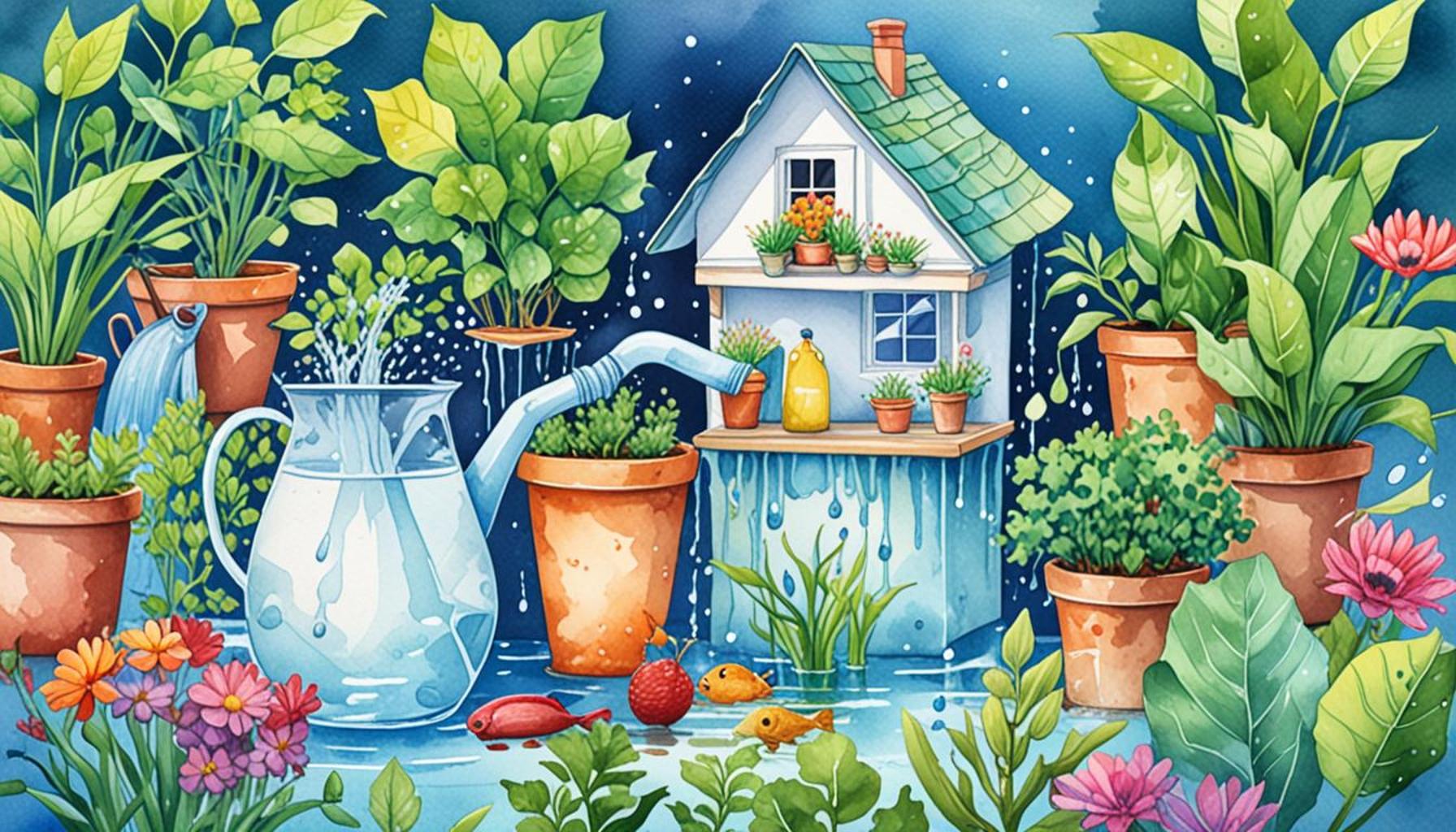
- Rainwater Harvesting: This method involves collecting rainwater from rooftops through gutters and directing it into storage barrels or tanks. A simple rain barrel can collect water for later use, providing a free and resource-efficient way to irrigate your plants. Many communities now offer discounts or rebates for those who install rainwater systems, making this method both cost-effective and environmentally friendly.
- Drip Irrigation: This precision watering technique delivers water directly to the roots of your plants through a system of tubes and emitters. Drip irrigation minimizes evaporation and runoff, ensuring that nearly all the water reaches the intended plants. Additionally, modern smart irrigation controllers can optimize watering schedules based on weather conditions, bringing further efficiency to your garden.
- Mulching: Applying organic mulch, such as wood chips or straw, around plants serves to retain soil moisture, suppress weeds, and regulate soil temperature. Mulching not only reduces the need to water frequently but also contributes to improved soil health as it breaks down over time, enriching the garden ecosystem.
- Drought-Resistant Plants: Opting for native or drought-tolerant species that thrive in your region can significantly cut down water usage. Plants like succulents, lavender, and certain varieties of ornamental grasses are adapted to local climates, requiring less frequent watering while adding unique beauty to your garden.
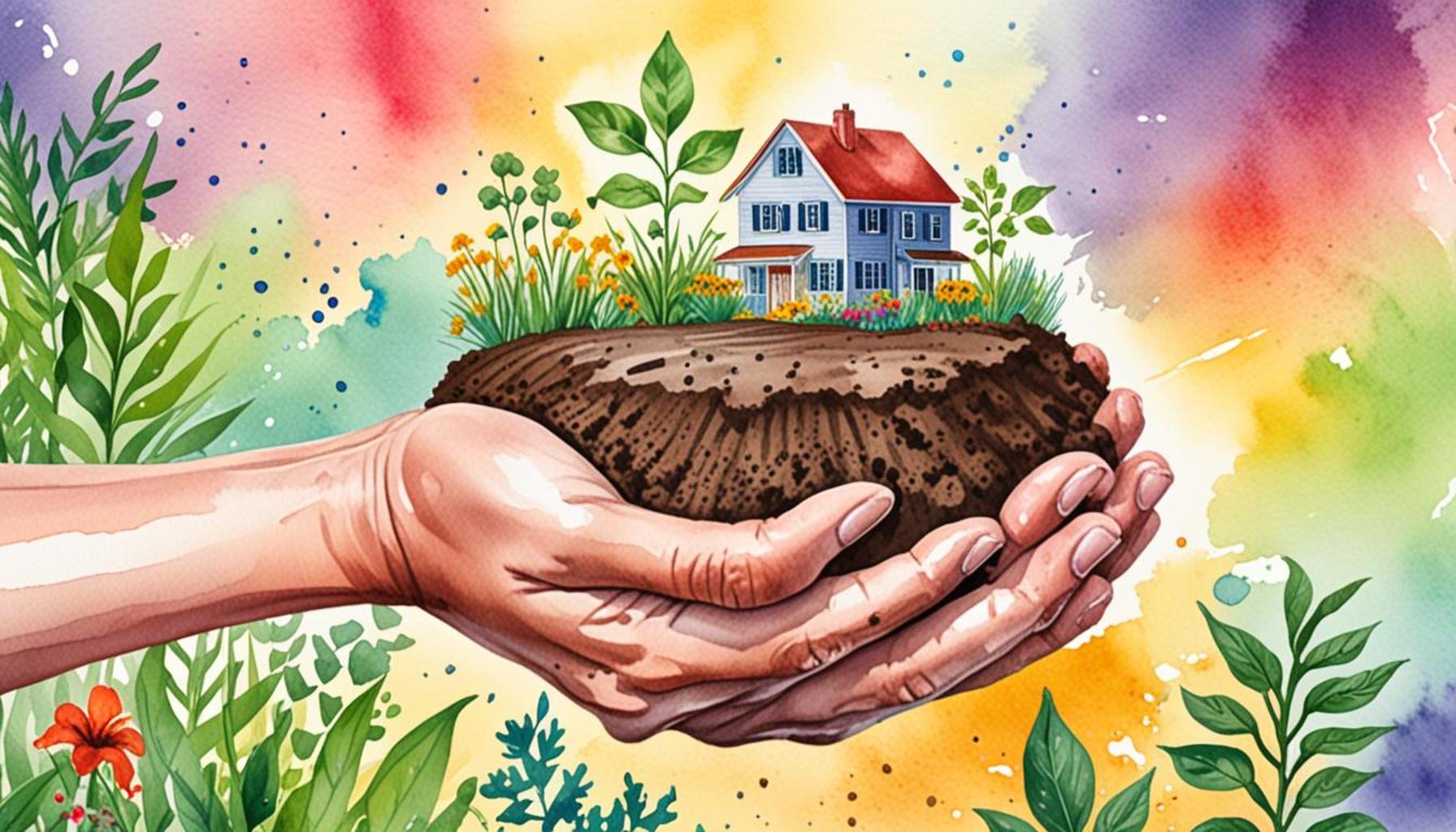
- Soil Improvement: Enhancing your soil’s structure with compost not only improves its ability to retain moisture but also provides vital nutrients for plants. Healthy soil is the foundation of any thriving garden, and investing in soil health can reduce dependency on water by promoting deeper rooting systems.
Each of these techniques not only promotes sustainable gardening practices but also leads to healthier plants and lower water bills. As you embark on your gardening journey, exploring these sustainable practices can empower you to make informed choices that yield dividends environmentally and economically. Not only will your garden flourish, but you will also become part of a vital movement towards environmental conservation—an endeavor that benefits both your local ecosystem and the planet as a whole.
DISCOVER MORE: Click here to find the perfect pot for your indoor plants
Embracing Sustainable Water Practices
Adopting sustainable water conservation techniques in home gardening is not only vital for the environment but also essential for beginners looking to cultivate a thriving garden without depleting water resources. Fortunately, numerous practical options can assist novice gardeners in achieving their goals while ensuring ample hydration for their plants. Engaging in these methods fosters a sense of responsibility towards water use and encourages a deeper connection with nature.
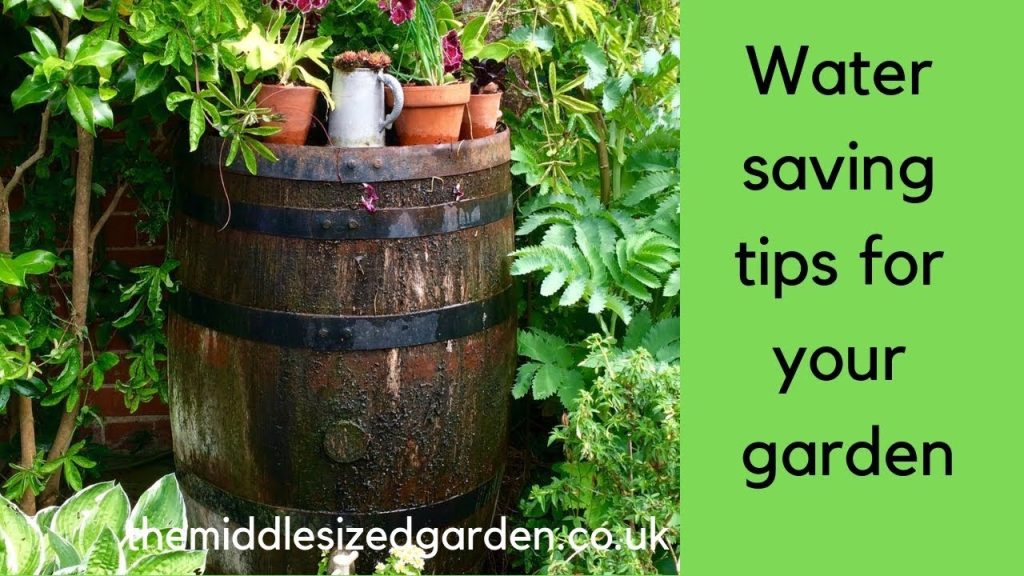
Rainwater Harvesting: Nature’s Gift
One of the simplest yet incredibly effective techniques is rainwater harvesting. This method taps into a free, natural resource by collecting rainwater from your roof and storing it in barrels or tanks. Just a small garden can benefit significantly from this practice; a typical 1,000-square-foot roof can yield about 600 gallons of rainwater from just one inch of rainfall. With the increasing availability of affordable rain barrels and various DIY options, implementing this technique is easier than ever. Additionally, many local governments in the United States incentivize rain barrel use through rebates and discounts, making it both a sustainable and economically sound choice.
Drip Irrigation: Precision Watering
As you progress in your gardening journey, consider investing in a drip irrigation system. This watering method provides a slow and steady supply of water directly to the roots of your plants, minimizing evaporation and runoff. Drip irrigation is exceptionally efficient—reducing water usage by up to 70% compared to traditional sprinklers. For beginners, many easy-to-install drip kits are available, allowing you to set a system tailored to your garden’s specific needs. Additionally, the use of smart irrigation controllers enables you to adjust schedules based on real-time weather data, further enhancing efficiency.
The Power of Mulching
Mulching is another fantastic technique that serves multiple purposes. By applying a layer of organic material like straw, wood chips, or even grass clippings around your plants, you can create a moisture-retaining barrier that slows evaporation, suppresses weeds, and regulates soil temperature. Furthermore, as these materials decompose, they enrich the soil, enhancing its fertility and structure. For beginners, mulching not only lessens the frequency of watering but also leads to a healthier and more abundant harvest.
Drought-Resistant Plants: Smart Choices
When selecting plants for your garden, consider the benefits of drought-resistant plants. Native species and those adapted to dry conditions typically require far less water than their more thirsty counterparts. For instance, incorporating varieties such as succulents, lavender, and butterfly bushes can not only lead to lower water usage but also attract beneficial pollinators, enhancing the overall ecosystem of your garden. Native plants thrive on rainfall and local conditions, allowing you to maintain a beautiful garden while significantly reducing water consumption.
Using these techniques not only improves your garden’s resilience but also empowers you as a gardener. Understanding and implementing sustainable practices are key for beginners, allowing you to create a flourishing garden while contributing to a broader movement aimed at addressing water scarcity. Implement these strategies to cultivate a garden that thrives on sustainability, beauty, and ecological awareness.
Water Conservation Techniques for Home Gardening: Sustainable Practices for Beginners
As home gardening gains popularity among sustainable practice advocates, it is essential to explore effective water conservation techniques. Water is a vital resource, and implementing thoughtful strategies can optimize its use, benefitting both your garden and the environment.
| Category 1 | Category 2 |
|---|---|
| Rainwater Harvesting | Capturing rainwater using barrels provides a free water source to nourish your garden. |
| Drip Irrigation | This system delivers water directly to the base of plants, minimizing waste and evaporation. |
Utilizing mulching techniques can also reduce evaporation rates in your garden. Organic materials such as straw or leaves create a barrier that helps retain moisture in the soil while enriching it as they decompose. Additionally, selecting drought-resistant plants is another efficient way to bolster sustainable practices; these plants thrive in minimal water without compromising beauty or functionality.
Implementing these sustainable practices can lead to significant water conservation, ultimately creating a healthier ecosystem. As a beginner, taking small but impactful steps can make a big difference in your water usage and garden vitality.
DIVE DEEPER: Click here to discover more tips
Innovative Practices for Water Efficiency
As the quest for sustainable gardening continues, beginners can explore an array of innovative practices that promote water conservation while enhancing their gardening experience. These methods not only reduce water consumption but also encourage a self-sustaining ecosystem within the garden. By integrating technology and nature-friendly principles, beginners can effortlessly cultivate a flourishing garden that thrives in an environmentally-conscious manner.
Soil Health: The Foundation of Water Retention
Understanding and improving soil health is crucial for effective water conservation. Healthy soil retains moisture more efficiently, reducing the need for frequent watering. Incorporate organic matter, such as compost and well-rotted manure, into your soil to enhance its structure and fertility. A study from the U.S. Department of Agriculture emphasized that organic soils can hold significantly more moisture, decreasing the amount of water required for plant growth. Additionally, regular soil testing can inform gardeners of necessary amendments, ensuring that soil composition is optimal for water retention.
Watering Wisely: Timing is Everything
Another vital aspect of water conservation in gardening is the timing of irrigation. Watering during the early morning or late afternoon minimizes evaporation losses that occur in the heat of the day. According to the Environmental Protection Agency (EPA), watering early can reduce water waste by up to 50%. It’s also beneficial to observe weather patterns and adjust watering schedules accordingly. Using a soil moisture meter can help gauge when your plants truly need watering, ensuring that you only provide moisture when necessary.
Efficiency with Container Gardening
For beginners with limited space or those looking for efficient water use, container gardening can be an excellent option. Containers naturally keep the soil cooler, reducing evaporation rates. Moreover, they can be tailored to specific plant needs, allowing for optimal water management. Utilizing self-watering pots or adding water-retaining crystals to the soil can further improve moisture retention. This method not only conserves water but also allows for unique landscaping options on patios, balconies, or even small yards.
Educational Resources and Community Engagement
It is invaluable for beginners to tap into local resources and community support when implementing water conservation techniques. Many regions offer workshops, community gardens, and extension services through universities that focus on sustainable practices. Joining local gardening clubs not only provides knowledge but also fosters relationships with fellow gardeners, promoting the exchange of tips and techniques tailored for specific climates in the United States. Websites such as the National Gardening Association are rich with resources, helping beginners stay informed and engaged in water conservation in home gardening.
Utilizing Greywater Systems
For the more adventurous gardener, exploring a greywater recycling system can make a significant difference in water conservation. Greywater refers to gently used water from sinks, showers, and washing machines. This conserved resource can be channeled into your garden, provided it is free from harmful chemicals. Several states have guidelines for safely implementing greywater systems, thus providing an alternative source of irrigation while promoting sustainability in both gardening and household practices. Always ensure compliance with local regulations regarding greywater use.
By embracing these innovative practices, beginners can take significant strides towards conserving water in home gardening. Each technique offers not only environmental benefits but also a chance to cultivate an understanding of ecological balance and responsibility, ensuring that every drop counts in your green endeavors.
DISCOVER MORE: Click here for gardening tips
Conclusion: Embracing Sustainable Gardening Practices
In conclusion, adopting water conservation techniques in home gardening not only enhances the health and productivity of your garden but also significantly contributes to environmental sustainability. By focusing on soil health, implementing strategic watering practices, and considering options like container gardening and greywater systems, beginners can create beautiful green spaces while minimizing water waste. The integration of educational resources and community engagement empowers gardeners to share knowledge and adapt to their local climates effectively.
As every drop of water counts, these sustainable practices promote a deeper understanding of ecological stewardship and responsibility. By making informed choices and utilizing innovative techniques, you can cultivate a thriving garden that not only flourishes but also supports the conservation of our precious water resources. Furthermore, as you become more adept in these methods, consider sharing your journey with fellow gardening enthusiasts and inspiring others in your community to join the movement towards more sustainable living.
Ultimately, as we face the challenges posed by climate change and water scarcity, every action toward conserving water in home gardening becomes a significant contribution to a more sustainable future. Dive into this rewarding journey of nurturing both your garden and the planet, and watch how your efforts blossom into a greener world.